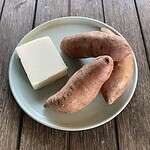


In Traditional Chinese Medicine (TCM), Bird’s Nest Soup is the gold standard for anti-aging—but it costs over $100 a bowl.
Enter Snow Fungus (Tremella fuciformis). It creates the same gelatinous, collagen-rich texture, offers massive skin hydration benefits, and costs about $5 a pack at your local Asian grocer.
If you are looking for a natural way to plump your skin from the inside out, this ‘silver ear’ mushroom is the secret weapon your diet is missing.
THE INGREDIENT CHEAT SHEET
Snow Fungus at a Glance
Also Known As: Silver Ear, White Jelly Mushroom, Tremella
Best For: Deep skin hydration, lung health, cough relief
Taste Profile: Mild, slightly floral, jelly-crunchy texture
Prep Requirement: Soak 20–30 minutes (expands 3×)
What Is Snow Fungus, Really?
Snow fungus is a type of edible mushroom prized in East Asian cuisine and herbal medicine for centuries, especially for its gentle flavor and beauty-enhancing reputation. When people talk about snow fungus benefits, they often point to its ability to create a collagen-like, gel texture once cooked—similar to the luxurious Bird’s Nest Soup. Because of this, it has earned the nickname “Poor Man’s Bird’s Nest,” offering a similar mouthfeel and wellness appeal at a fraction of the price. In traditional culture, it was consumed to support hydration, yin balance, and overall vitality.
Unlike medicinal mushrooms such as reishi or cordyceps, snow fungus isn’t bitter or earthy. Instead, it behaves like a flavor sponge, absorbing sweetness from soups, tonics, and desserts while adding a soft, bouncy bite. This versatility makes it easy to enjoy daily, especially in sweet soups (tong sui) or beauty recipes focused on skin hydration. Combined with its low cost and accessibility, snow fungus benefits make it one of the most underrated beauty foods for people looking to support collagen, elasticity, and glow—without relying on animal-based products or premium cosmetic treatments.

The “Natural Hyaluronic Acid” Effect
Why do beauty insiders call snow fungus a natural hyaluronic acid? The answer comes from how snow fungus benefits the skin at a cellular level. Its gel-like compounds don’t just sit on the surface; they bind moisture and help your body retain it from within, similar to what topical hyaluronic acid claims to do. This is why so many people consider snow fungus a budget-friendly alternative to premium skincare serums—because it supports hydration through diet, not just products. If your goal is plump, dewy, glass-like skin, snow fungus might be the most accessible place to start.
The Science Behind the Glow
Modern research explains why snow fungus benefits are so hyped in the beauty world. This mushroom contains unique polysaccharides that interact with water molecules in a powerful way. These compounds can:
• Bind water efficiently
• Form a flexible hydration film
• Improve moisture retention in skin tissue
Laboratory studies show these polysaccharides can hold up to 500 times their weight in water, outperforming some topical hydrators. While serums and creams stay on the surface, snow fungus works from within—supporting the body’s natural ability to maintain moisture balance. Over time, that internal hydration can create a more consistent and natural glow that isn’t dependent on daily product application.
No, it won’t replace Botox or instantly erase wrinkles. But yes, regular consumption of snow fungus can visibly improve:
• Skin elasticity
• Dryness
• Fine line appearance over time
Think of it as a slow-burn skin investment—a food-based approach that nurtures long-term hydration instead of quick, artificial fixes.
Why Ancient Beauty Diets Focused on Texture
In traditional wellness systems, texture wasn’t just culinary preference—it was functional. Foods with a gelatinous, bouncy consistency were believed to nourish the body from within, supporting moisture and internal balance. Ancient beauty practices focused less on external creams and more on eating foods that mirrored the qualities they wanted in their skin: soft, plump, and hydrated.
Gelatinous foods like:
• Bird’s nest
• Snow fungus
• Peach gum
Were believed to support yin energy, hydration, and elasticity—qualities associated with calmness, luminosity, and youthful skin. Today, this aligns surprisingly well with what we know about snow fungus benefits and how its polysaccharides help retain water in skin tissue.
Modern science is finally catching up to what those diets observed centuries ago. Hydrating foods with collagen-like texture appear to influence moisture levels, elasticity, and overall radiance in a way that topical products alone can’t match. The wisdom behind those ancient textures wasn’t superstition—it was early biochemistry in action.
Lung Health & Internal Hydration
Beyond beauty and skin benefits, snow fungus has a long history in traditional wellness as a respiratory support food. Practitioners believed its jelly-like structure mirrored its function—helping lubricate and hydrate internal pathways the same way it supports moisture in the skin. This perspective sees snow fungus benefits as more than cosmetic; they extend to overall comfort and balance in the body.
Snow fungus is traditionally used to:
• Soothe dry coughs
• Support respiratory moisture
• Ease throat irritation
Because of this, it becomes especially popular in dry climates, air-conditioned environments, or during seasonal changes when coughs and dryness tend to flare up. The same polysaccharides that hold water for the skin can also help maintain hydration where it matters internally.
While it’s not a replacement for medical treatment, snow fungus offers a gentle, food-based approach that aligns with both modern hydration science and ancient wellness wisdom. Think of it as nourishment that works from the inside out—helping your body maintain moisture, comfort, and calm in more ways than one.
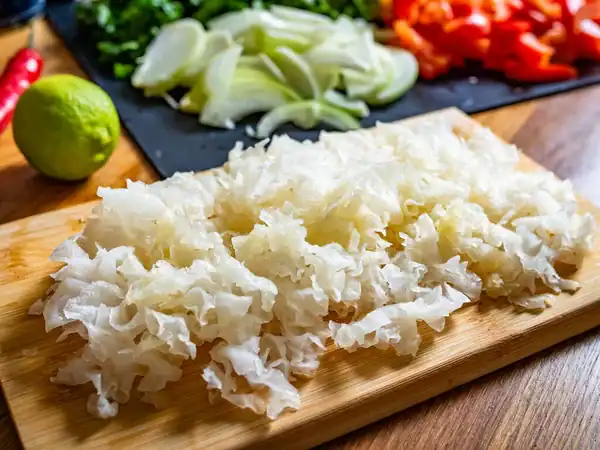
How to Cook Snow Fungus (The Right Way)
Snow fungus isn’t stir-fried. It’s stewed slowly into a dessert known as Tong Sui—a lightly sweet soup.
The Classic Preparation
- Soak
Rehydrate one dried snow fungus head in water for 20–30 minutes. - Trim
Remove the hard yellow base. This part never softens. - Stew
Simmer gently with:
- Rock sugar
- Red dates (jujubes)
- Goji berries
- Simmer Time
45–60 minutes, until the soup thickens into a silky, syrup-like texture.
The Secret Add-In (Beauty Upgrade)
For next-level texture and benefits, add Peach Gum.
This tree resin creates a double-layered collagen-like mouthfeel that beauty enthusiasts swear by.
You can learn exactly why this pairing is legendary in our guide to Peach Gum Desserts & Benefits.
Sweet vs Savory Uses
While sweet soups (tong sui) are the most popular way to enjoy snow fungus, its potential goes far beyond dessert. Thanks to its neutral flavor, it can blend seamlessly into dishes that highlight texture rather than taste. You’ll often see snow fungus benefits explored in food traditions where nourishment and enjoyment are equally important.
You can add it to:
• Light broths
• Herbal tonics
• Dessert bowls with coconut milk
Think of snow fungus as a culinary chameleon—it absorbs flavors, enhances mouthfeel, and turns simple dishes into beauty-supporting meals. This versatility makes it easy to eat regularly, which is key for experiencing its hydration and collagen-supporting effects.
Who Should Eat Snow Fungus?
Snow fungus is a perfect match for people looking for a gentle, food-based approach to wellness and skincare. Since the most talked-about snow fungus benefits revolve around moisture retention and elasticity, it’s especially appealing for those who want glowing skin without relying solely on cosmetics or supplements.
Snow fungus is ideal for:
• Dry or dehydrated skin types
• People avoiding animal collagen
• Budget-conscious beauty enthusiasts
• Anyone interested in food-based skincare
It’s a low-risk addition to most diets, but anyone with mushroom allergies should avoid it. For everyone else, it’s an easy, affordable way to explore beauty-from-within nutrition—even if you’re just starting out.
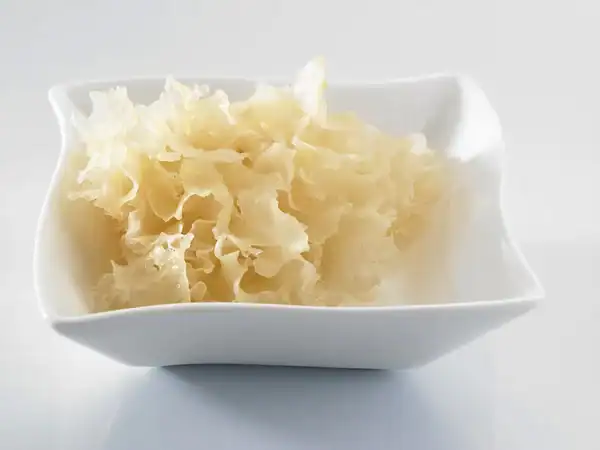
Does It Really Work?
Snow fungus isn’t magic—but it is one of the rare foods with research-backed potential to improve hydration and elasticity when eaten consistently. The real power comes from the polysaccharides that help the body retain moisture, creating a foundation for smoother, plumper-looking skin over time. When paired with a nourishing diet and regular skincare, snow fungus benefits can feel like the missing link.
Think of it as:
• A dietary moisturizer
• A supportive beauty ritual
• A long-term skin investment
Consistency matters more than portion size. A few bowls per week can make a noticeable difference for some people, especially those who struggle with dryness. It’s not a miracle cure—but it’s a smart, steady ally in any glow-up routine.
FREQUENTLY ASKED QUESTIONS
1. What is snow fungus?
Snow fungus, also known as Tremella fuciformis or silver ear mushroom, is an edible fungus prized in East Asian cuisine and herbal medicine. It’s known for its gelatinous texture and mild flavor, making it versatile in soups and desserts. Beyond taste, it’s valued for its skin hydration and collagen-supporting properties.
2. What are the main benefits of snow fungus?
Snow fungus benefits include deep skin hydration, improved elasticity, and support for overall wellness. Its polysaccharides can retain water inside the body, acting like a natural hyaluronic acid. It’s also used traditionally to soothe dry coughs and maintain respiratory moisture.
3. How do I cook snow fungus?
To prepare snow fungus, soak a dried piece in water for 20–30 minutes until it expands 2–3 times. Trim the hard yellow base, then simmer gently with rock sugar, red dates, or goji berries for 45–60 minutes. For extra texture and collagen support, you can add Peach Gum to the soup.
4. Can snow fungus improve my skin?
Yes! Regular consumption of snow fungus can support hydration, skin elasticity, and reduce the appearance of fine lines over time. While it won’t replace cosmetic treatments, it works from the inside out as a natural beauty food.
5. Can I eat snow fungus if I have dietary restrictions?
Snow fungus is plant-based, low-calorie, and suitable for those avoiding animal collagen. However, anyone with a mushroom allergy should avoid it. Its neutral flavor makes it easy to incorporate into vegan, vegetarian, or low-sugar diets.
6. Is snow fungus better than Bird’s Nest Soup?
Snow fungus is often called the “Poor Man’s Bird’s Nest” because it mimics the collagen-like texture and hydrating benefits at a fraction of the cost. While Bird’s Nest Soup is more luxurious, snow fungus offers similar beauty and wellness effects for everyday use.
7. How often should I consume snow fungus for results?
Consistency matters more than quantity. Incorporating snow fungus into your diet a few times per week can help maintain skin hydration, elasticity, and overall wellness, making it a long-term, food-based beauty investment.
CONCLUSION
If you’re building a beauty-from-within routine, snow fungus is one of the smartest and most accessible places to start—a gentle, affordable food with real potential to support hydration, elasticity, and glow from the inside out. When eaten regularly, it acts like a dietary moisturizer, helping your skin stay supple in a way topical products alone can’t always achieve. And if you want to elevate the experience, pairing snow fungus with Peach Gum creates a double-collagen, jelly-like texture that beauty enthusiasts swear by for both mouthfeel and skin benefits. Consider it a small step with a surprisingly powerful payoff—an easy ritual that blends nourishment, tradition, and self-care into every bowl.