
Filipino Food: 12 Dishes to Try First
The short answer
The 12 Filipino dishes to try first are adobo, sinigang, lechon, kare-kare, pancit, sisig, caldereta, bangus, tinola, tuna panga, tapsilog and dinuguan. Filipino food leans sour, salty and a little sweet, with vinegar, soy sauce, tamarind and calamansi doing much of the work, and most of it is not very spicy.
- Adobo: chicken or pork simmered in vinegar, soy sauce, garlic and bay leaf.
- Sinigang: a sour tamarind soup with pork, prawns or fish.
- Lechon: whole roast pig with crackling skin.
- Kare-kare: oxtail stew in a peanut sauce, served with shrimp paste.
- Pancit: stir-fried noodles with meat and vegetables.
- Sisig: chopped pork, crisp and sour, served sizzling.
- Caldereta: beef or goat stewed in tomato sauce.
- Bangus: milkfish, often marinated in vinegar and fried.
- Tinola: a light ginger chicken soup.
- Tuna panga: grilled tuna jaw.
- Tapsilog: cured beef, garlic fried rice and a fried egg for breakfast.
- Dinuguan: pork stewed in pig's blood and vinegar.
Below is what goes into each dish, the Filipino desserts worth knowing, and a chicken adobo recipe to start with. For other countries, see our world cuisines guides.
Top 12 Filipino Foods You Must Try
1. Adobo (Savory stewed chicken or pork)
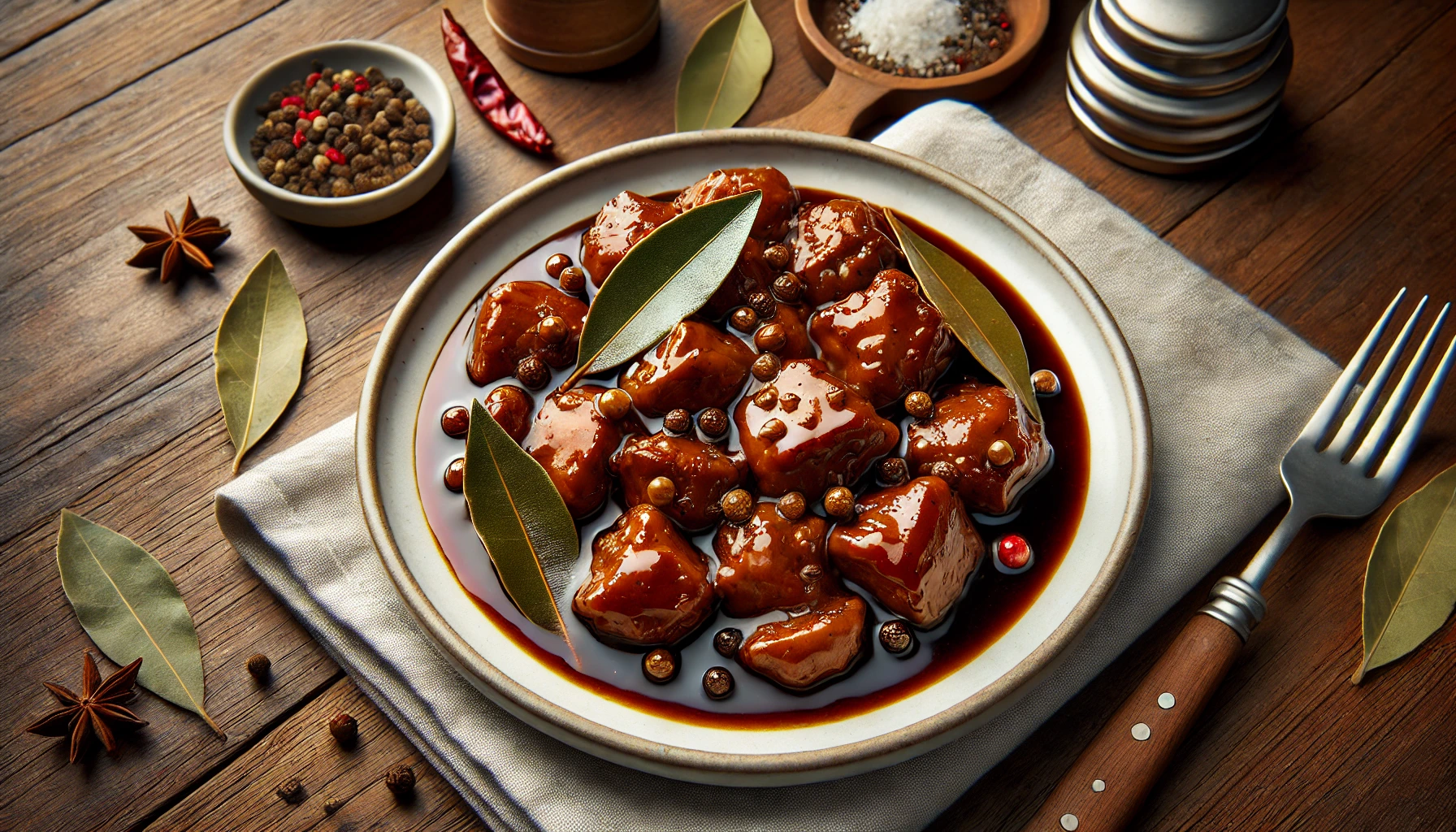
Adobo is often considered the unofficial national dish of the Philippines, showcasing the bold and savory flavors of Filipino food. This iconic dish is made by simmering chicken or pork in a tangy sauce of soy sauce, vinegar, garlic, and bay leaves. The result is a tender, flavorful stew with a perfect balance of salty, sour, and savory notes. Some variations include adding coconut milk or spicy chili for extra depth.
Loved for its simplicity and rich taste, Adobo is a staple in Filipino households and a must-try for anyone exploring the cuisine. It pairs wonderfully with steamed rice, making it a hearty and satisfying meal for any time of the day.
Main Ingredients:
- Chicken or pork
- Soy sauce
- Vinegar
- Garlic
- Bay leaves
2. Sinigang (Tamarind-based sour soup)
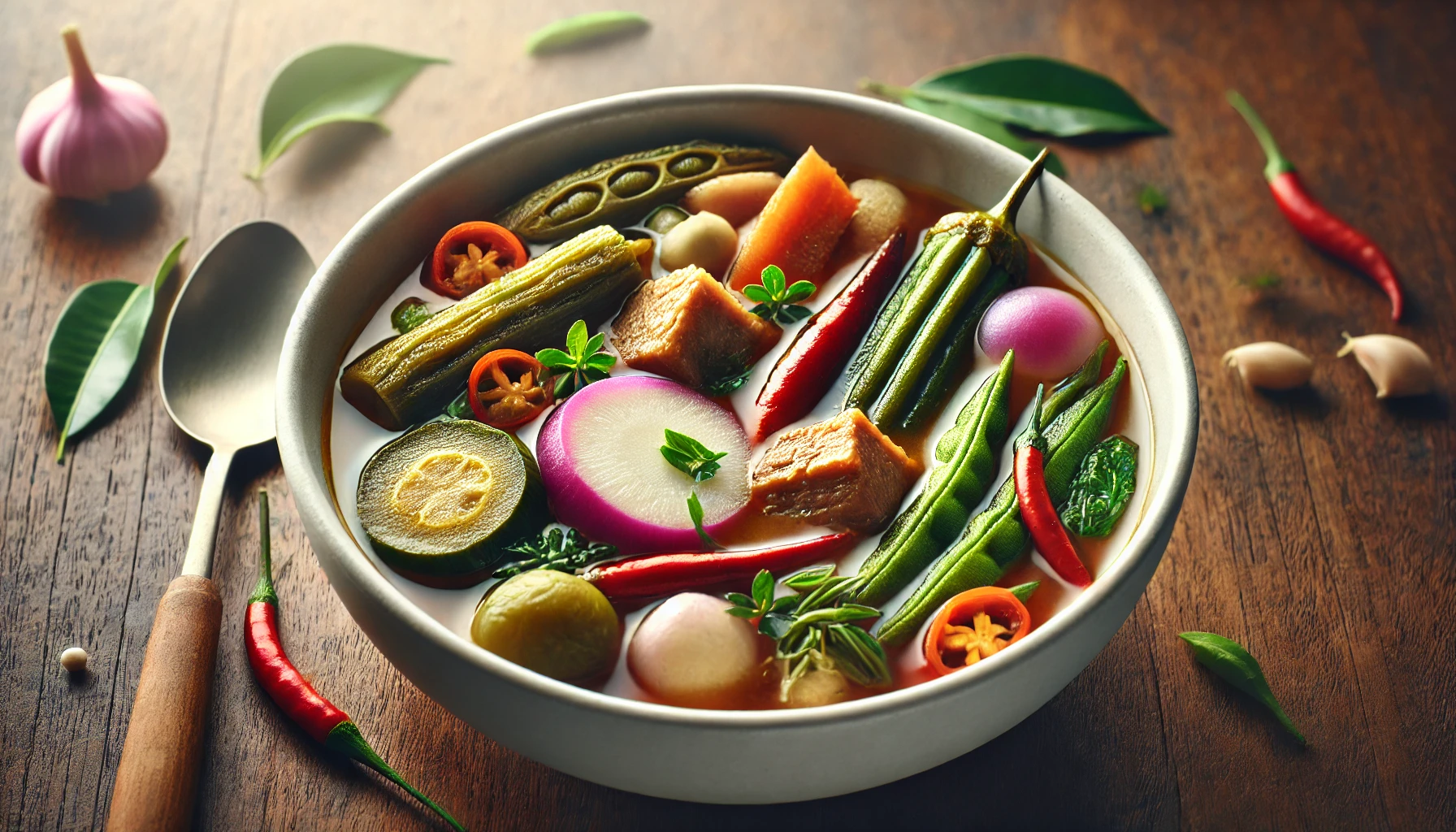
Sinigang is a comforting and tangy soup that perfectly represents the Filipino love for bold and sour flavors. This dish is made with a tamarind-based broth and typically includes pork, shrimp, or fish, along with fresh vegetables like kangkong (water spinach), radish, and tomatoes. Its sour and savory flavor profile makes it incredibly refreshing and perfect for a rainy day.
Sinigang’s flexibility allows it to be customized with different proteins and vegetables, making it a versatile favorite among Filipinos. It’s best enjoyed with a side of steamed rice to balance its tangy goodness.
Main Ingredients:
- Tamarind
- Pork, shrimp, or fish
- Kangkong (water spinach)
- Tomatoes
- Radish
3. Lechon (Crispy roasted pig)
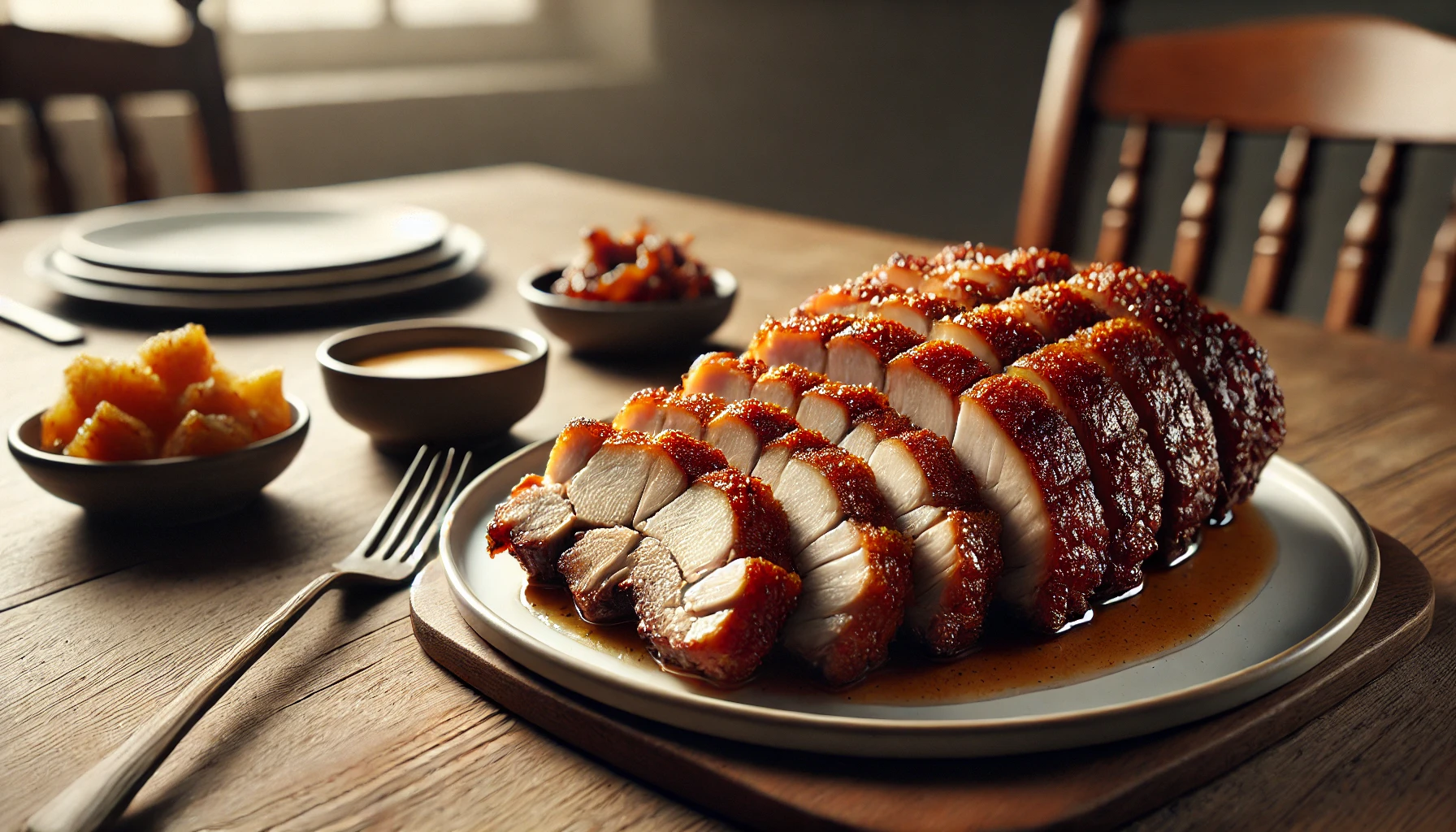
Lechon is a centerpiece of Filipino celebrations and a true symbol of the country’s festive spirit. This dish features a whole pig roasted over an open flame until the skin turns crispy and golden brown. The meat is tender, flavorful, and often paired with a sweet liver sauce. Lechon’s smoky aroma and crispy skin make it a showstopper at any gathering.
A traditional favorite for fiestas and holidays, Lechon reflects the communal and celebratory nature of Filipino cuisine. It’s a dish that’s best shared with loved ones.
Main Ingredients:
- Whole pig
- Lemongrass (for stuffing)
- Garlic
- Salt
- Pepper
4. Kare-Kare (Peanut-based oxtail stew)
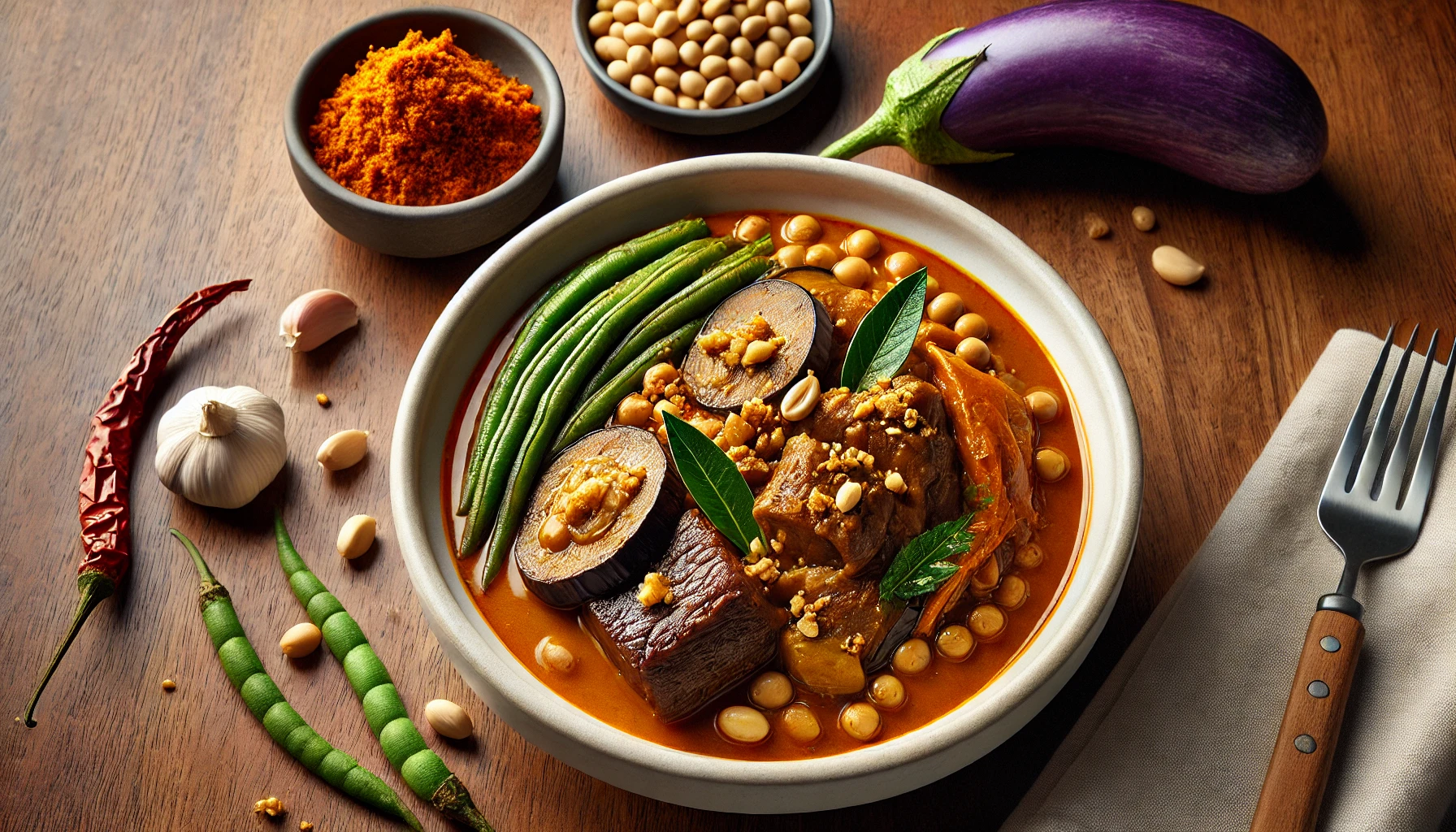
Kare-Kare is a rich and creamy stew made with a peanut-based sauce, oxtail, tripe, and vegetables like eggplant, string beans, and banana blossoms. This beloved dish is known for its nutty flavor and thick, velvety texture. It’s often served with a side of bagoong (fermented shrimp paste) to enhance its savory taste.
Kare-Kare is a favorite during family gatherings and special occasions. Its unique flavor and comforting richness make it a standout dish in Filipino cuisine.
Main Ingredients:
- Oxtail and tripe
- Peanut butter or ground peanuts
- Banana blossoms
- Eggplant
- String beans
5. Pancit (Stir-fried noodles)
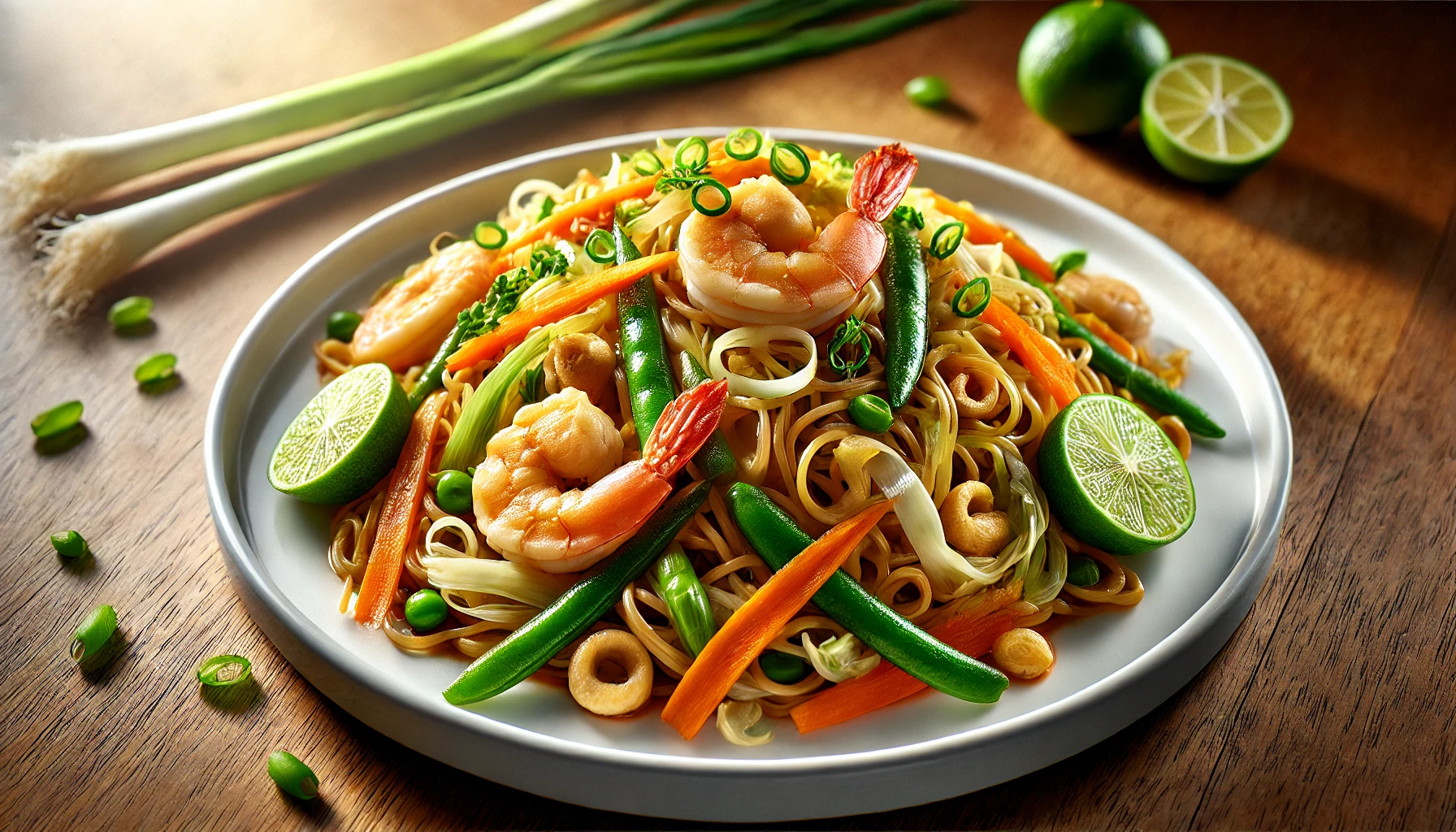
Pancit is a popular Filipino noodle dish that comes in many variations, such as Pancit Canton and Pancit Bihon. It’s made by stir-frying noodles with meat, seafood, and vegetables, then seasoning with soy sauce and citrus like calamansi for a tangy kick. This dish is a staple at Filipino celebrations, symbolizing long life and prosperity.
Easy to customize and packed with flavor, Pancit is a delicious and versatile dish that showcases the simplicity and creativity of Filipino cooking.
Main Ingredients:
- Noodles (egg noodles or rice noodles)
- Meat (chicken, pork, or shrimp)
- Vegetables (carrots, cabbage, and celery)
- Soy sauce
- Calamansi
6. Sisig (Crispy and tangy pork dish)
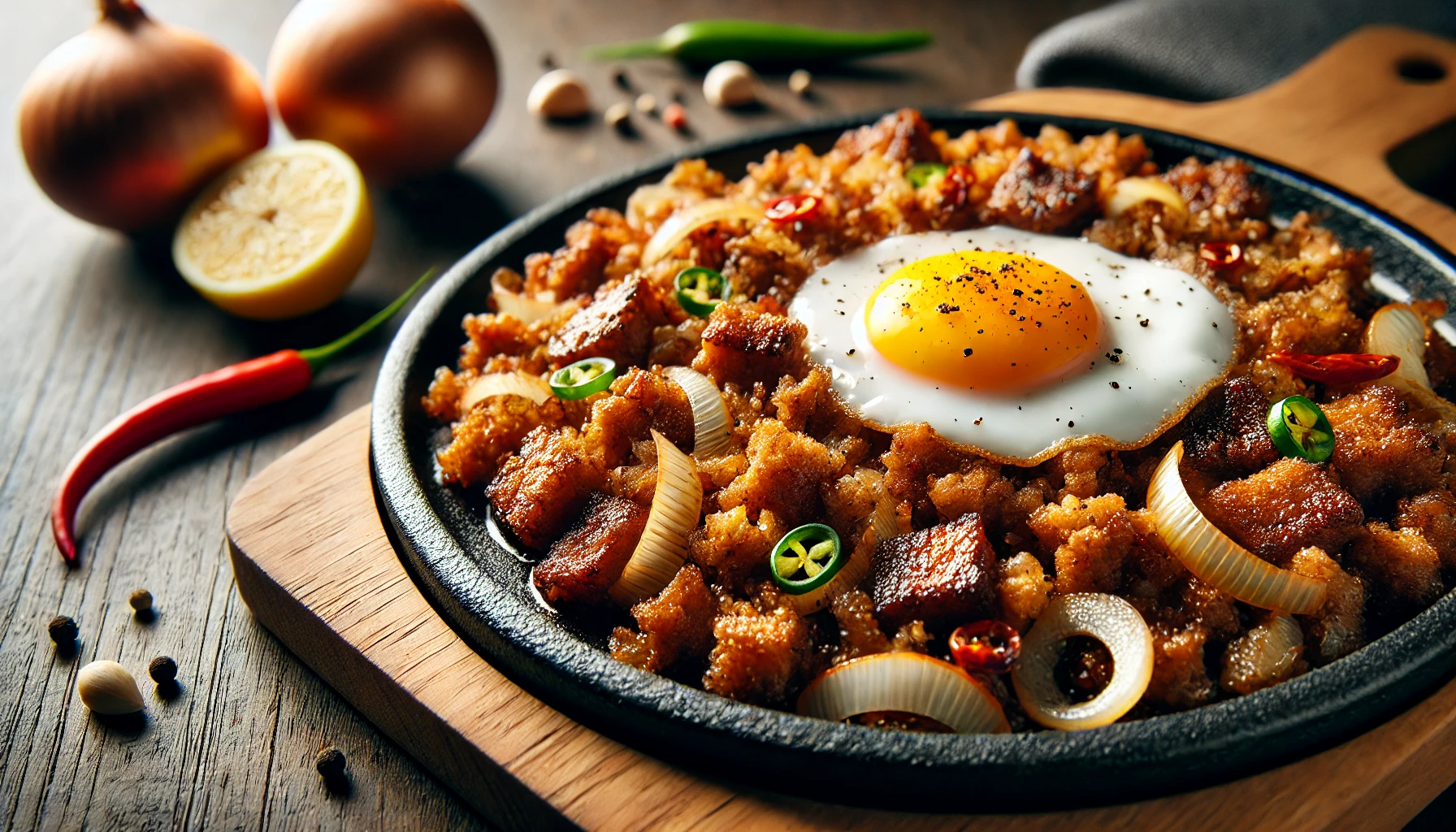
Sisig is a sizzling Filipino dish known for its bold flavors and unique texture. Traditionally made with pork parts such as the face and ears, it is chopped finely, seasoned with calamansi juice, onions, and chili, then served on a sizzling plate. Some variations include a raw egg cracked on top, which cooks as it mixes with the hot ingredients.
Sisig’s crispy and tangy taste makes it a favorite appetizer or pulutan (beer match) in Filipino cuisine. Its rich flavor and crunchy texture make it a must-try for adventurous foodies.
Main Ingredients:
- Pork (face, ears, or belly)
- Calamansi juice
- Onions
- Chili peppers
- Raw egg (optional)
7. Caldereta (Tomato-based beef or goat stew)
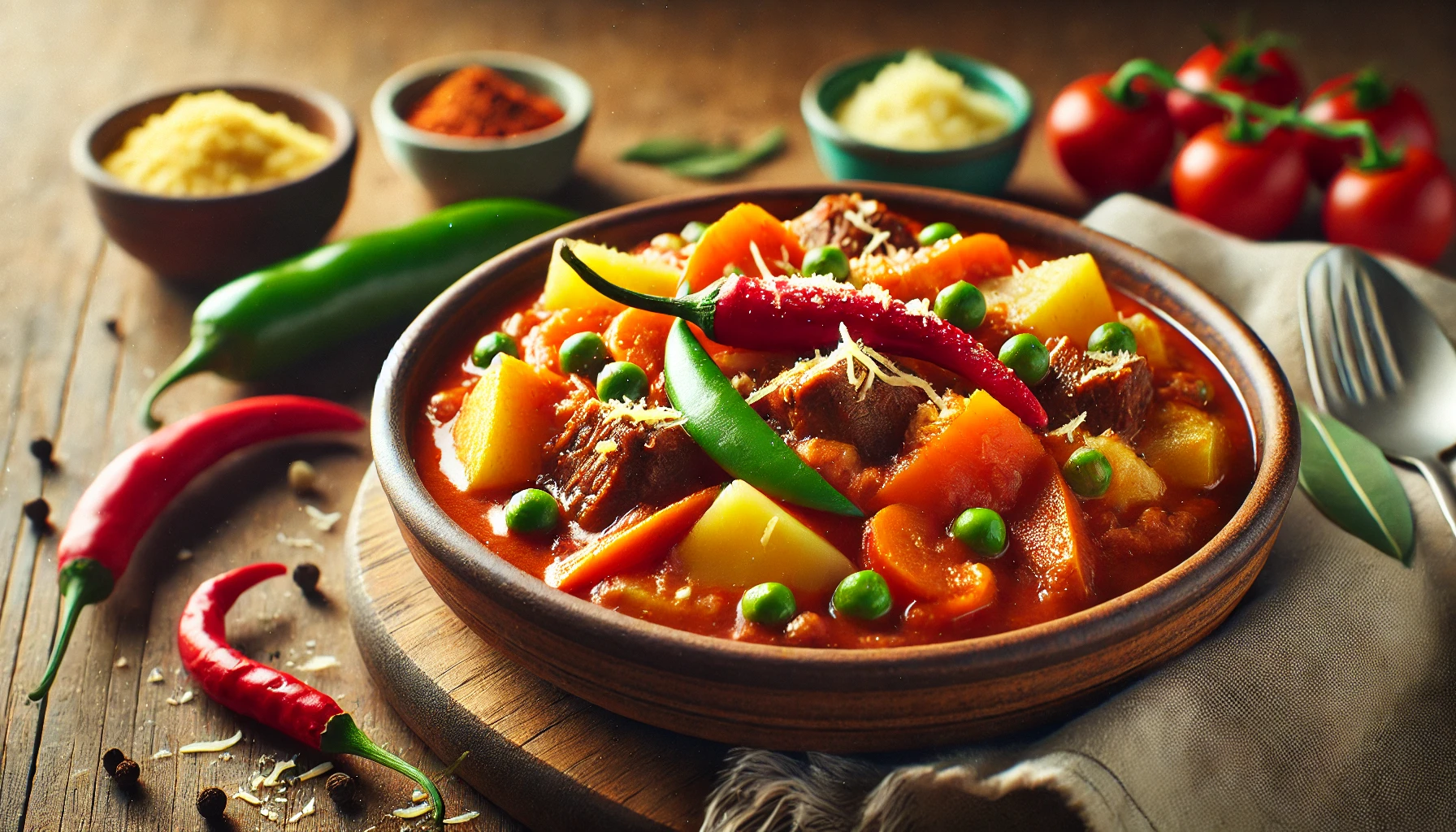
Caldereta is a hearty and flavorful Filipino stew made with tender beef or goat meat, simmered in a rich tomato-based sauce. Often enriched with liver spread for extra depth, it features a medley of vegetables such as potatoes, carrots, and bell peppers. Some variations include olives or cheese for added richness.
This dish is a staple at Filipino celebrations and family gatherings, loved for its bold and savory flavors. Caldereta pairs perfectly with steamed rice, making it a comforting and satisfying meal for any occasion.
Main Ingredients:
- Beef or goat meat
- Tomato sauce
- Liver spread
- Potatoes and carrots
- Bell peppers
- Olives (optional)
- Cheese (optional)
8. Bangus (Milkfish)
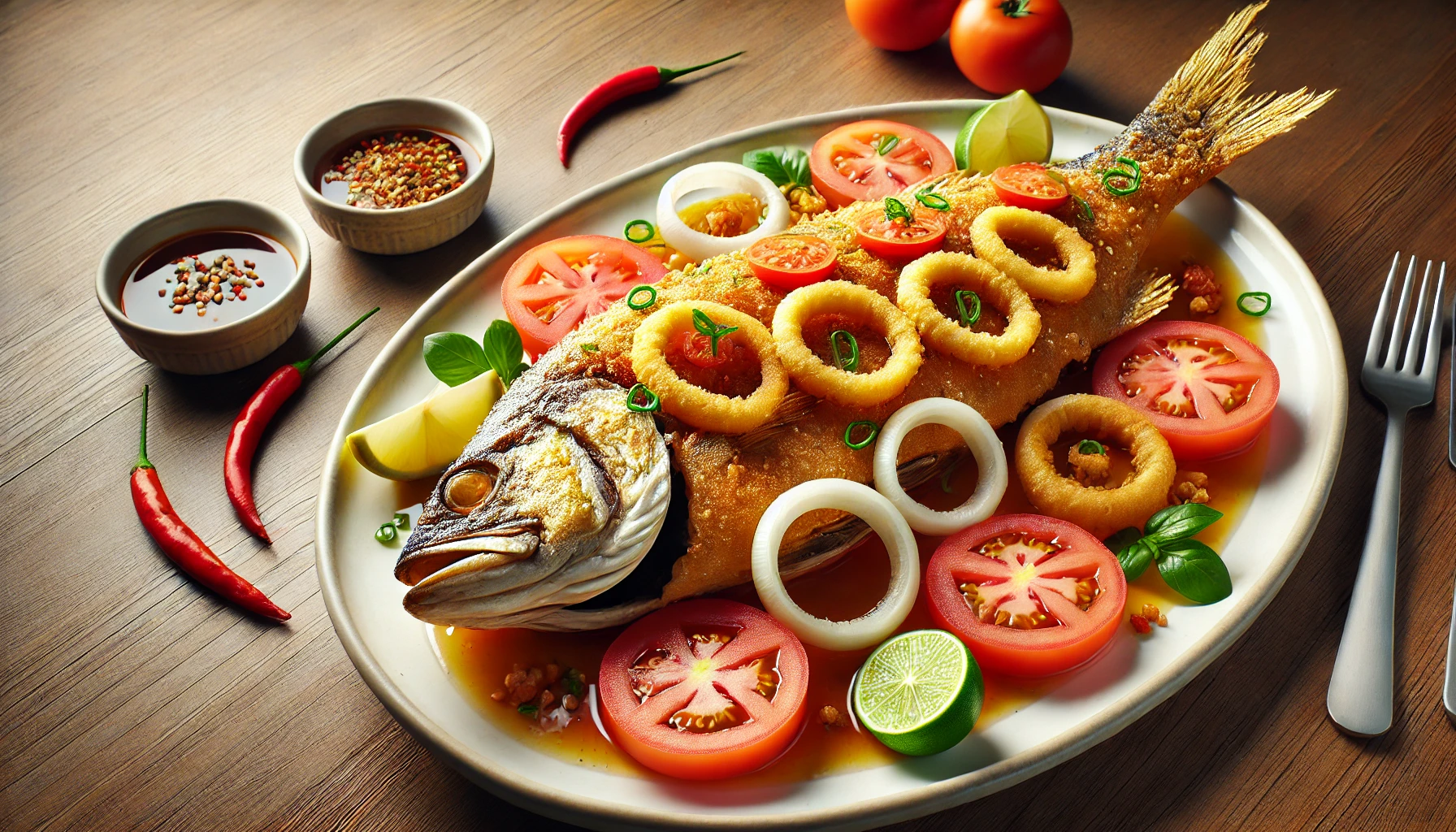
Bangus, also known as milkfish, is the national fish of the Philippines and a beloved staple in Filipino food. Known for its tender and flavorful meat, it can be prepared in various ways, such as grilled, fried, or cooked in sour stews like sinigang or paksiw. Its mild taste makes it versatile and perfect for pairing with different sauces and seasonings.
Bangus is a symbol of Filipino pride and tradition, often served whole during family meals or special gatherings. Whether enjoyed with rice and dipping sauces or as a flavorful addition to soups, Bangus showcases the simplicity and deliciousness of Filipino cuisine.
Main Ingredients:
- Milkfish (Bangus)
- Vinegar (for paksiw)
- Garlic and onions
- Soy sauce (optional for marinade)
- Tomatoes (optional for grilling)
9. Tinola (Ginger-based chicken soup)
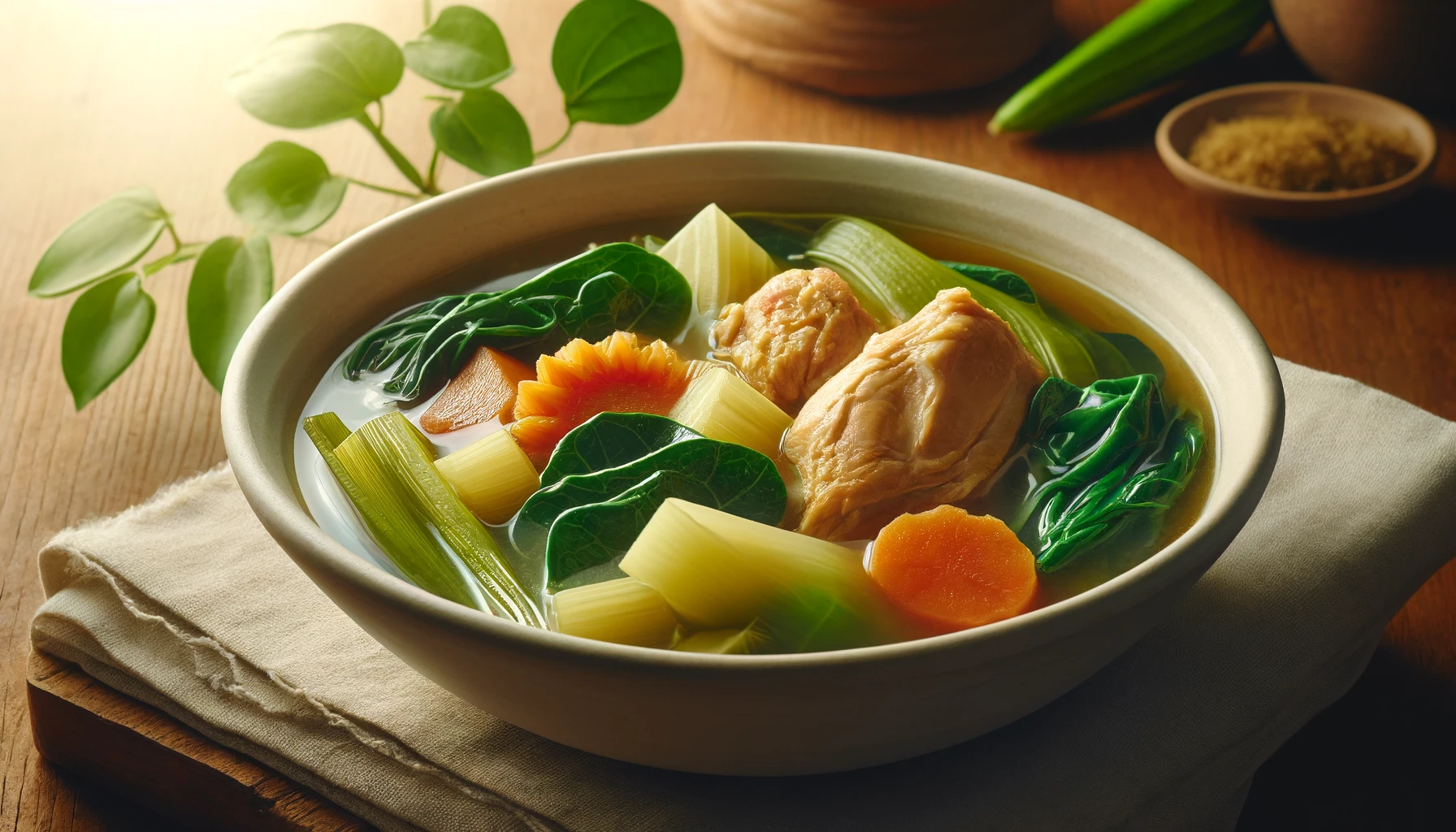
Tinola is a comforting Filipino chicken soup flavored with ginger, garlic, and onions. It often includes green papaya or chayote and is finished with a handful of fresh malunggay (moringa) leaves. This dish is simple yet flavorful, making it a go-to comfort food.
Perfect for rainy days or when you’re feeling under the weather, Tinola is a warm, nourishing dish that embodies the heart of Filipino home cooking.
Main Ingredients:
- Chicken
- Ginger
- Garlic and onions
- Green papaya or chayote
- Malunggay leaves
10. Tuna Panga (Grilled Tuna Jaw)
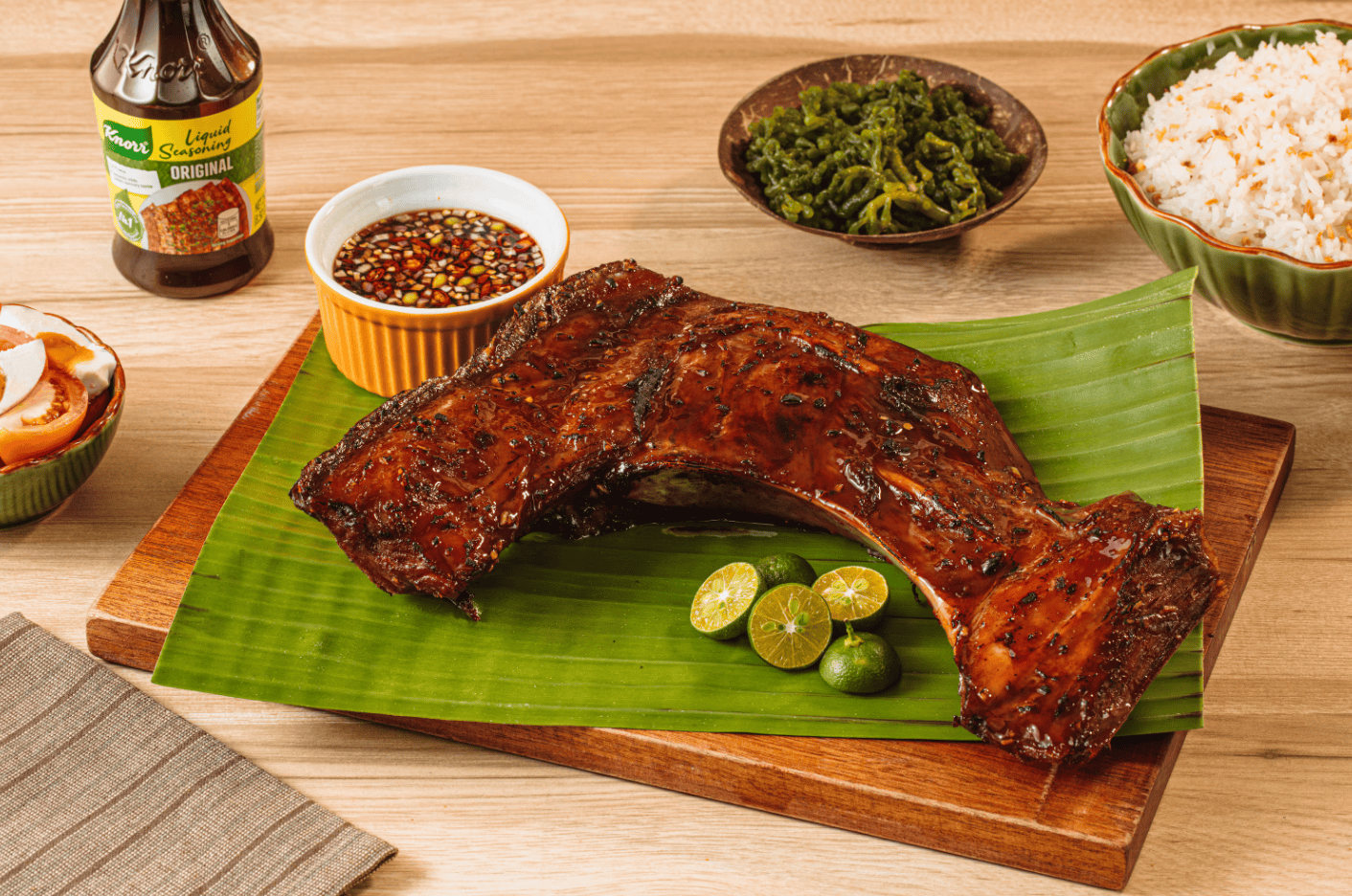
Tuna Panga, or grilled tuna jaw, is a beloved Filipino delicacy known for its tender and flavorful meat. This dish is often marinated in a mix of soy sauce, calamansi juice, and spices before being grilled to perfection. It is a crowd favorite in seaside restaurants and backyard barbecues alike.
The rich, smoky flavor of Tuna Panga makes it a satisfying meal, often paired with a soy-calamansi dipping sauce or spiced vinegar for added zest. It’s a must-try for seafood lovers exploring Filipino cuisine.
Main Ingredients:
- Tuna jaw
- Soy sauce
- Calamansi juice
11. Tapsilog (Cured beef with fried rice and egg)
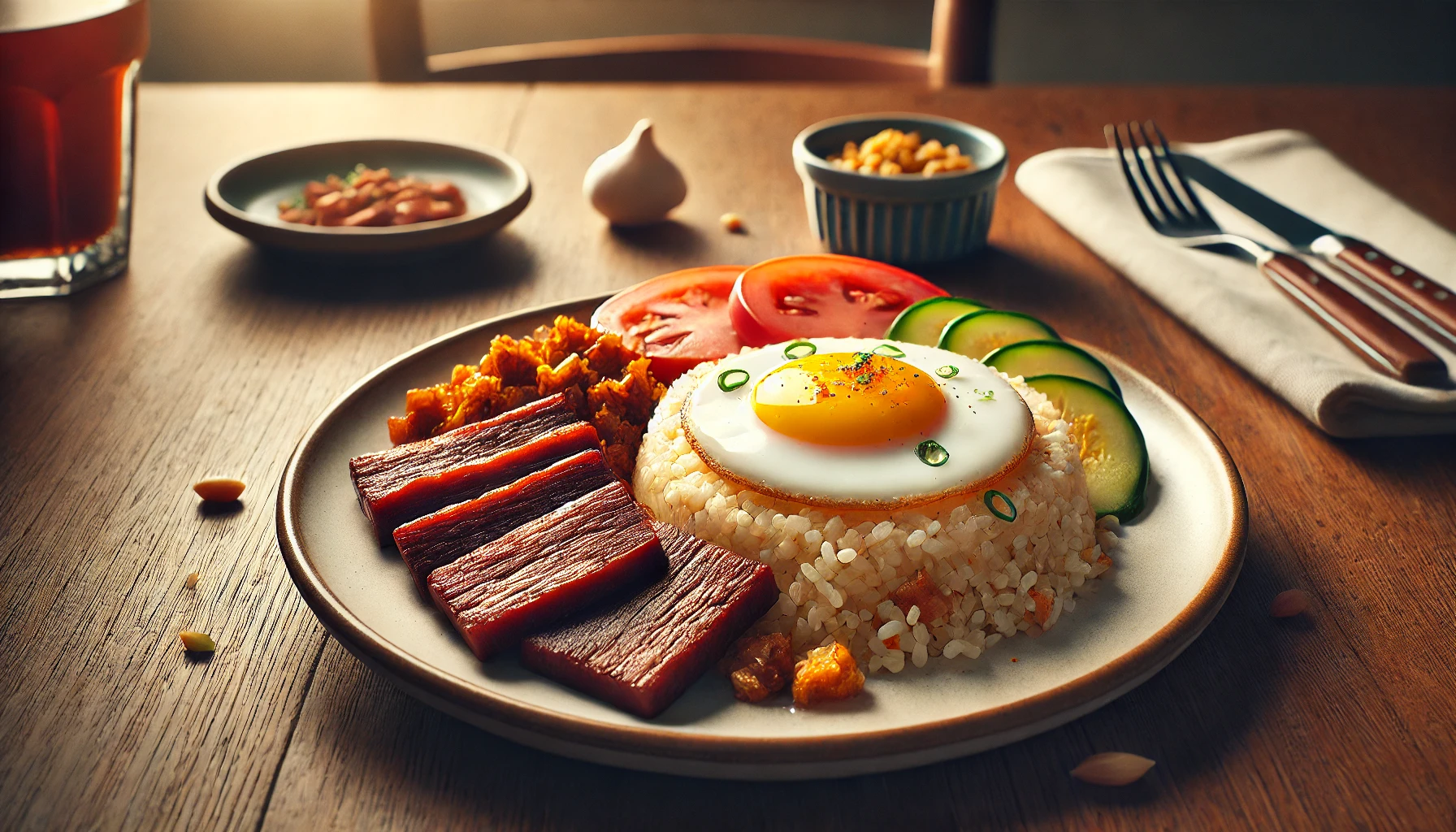
Tapsilog is a popular Filipino breakfast meal made of tapa (cured beef), sinangag (garlic fried rice), and itlog (fried egg). The dish is savory, hearty, and perfect for starting the day with energy. A side of vinegar dipping sauce adds a tangy kick that complements the beef.
Loved for its simplicity and delicious flavor, Tapsilog is a classic comfort food that highlights the Filipino love for hearty meals.
Main Ingredients:
- Tapa (cured beef)
- Garlic fried rice
- Fried egg
- Vinegar dipping sauce
12. Dinuguan (Pork blood stew)
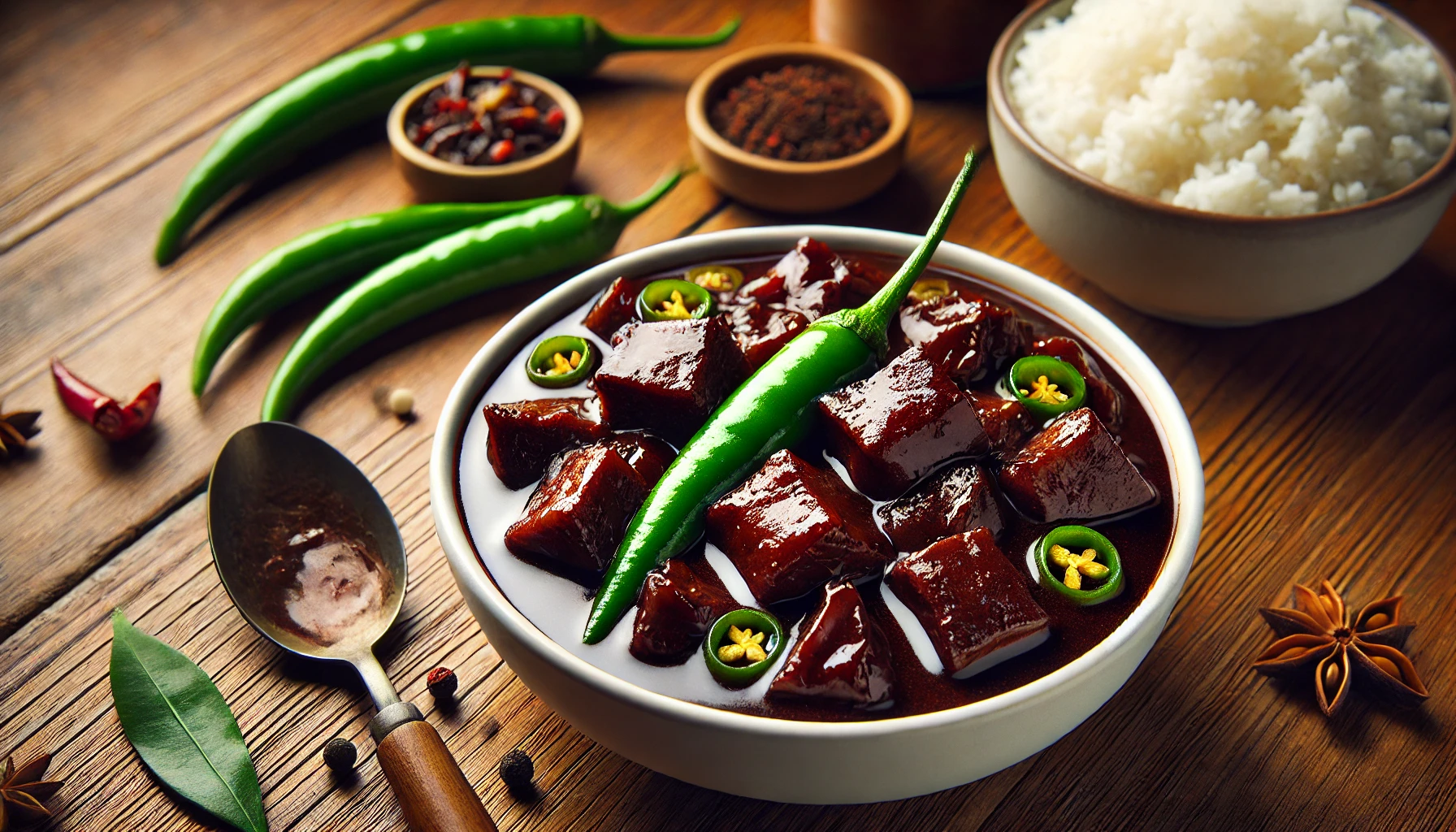
Dinuguan is a rich and savory Filipino stew made with pork meat and offal simmered in pork blood, vinegar, and spices. This dish has a bold, tangy flavor and a velvety texture that pairs perfectly with puto (steamed rice cakes). Its dark, hearty broth is seasoned with garlic, onions, and chili, creating a dish that’s both comforting and flavorful.
Dinuguan is a staple in many Filipino households, often served during special occasions or as a hearty merienda (snack). Its unique taste and cultural significance make it a must-try for anyone exploring Filipino cuisine.
Main Ingredients:
- Pork meat and offal
- Pork blood
- Vinegar
- Garlic and onions
- Chili peppers
Filipino Food Desserts
- Leche Flan (Caramel custard)
- Halo-Halo (Shaved ice dessert)
- Bibingka (Rice cake with salted egg and cheese)
- Turon (Fried banana spring rolls)
- Puto (Steamed rice cakes)
1. Leche Flan (Caramel custard)
Leche Flan is a classic Filipino dessert made with a rich mixture of egg yolks, condensed milk, and evaporated milk. Topped with a smooth caramel syrup, this creamy treat melts in your mouth with every bite. Often served during celebrations, its luxurious texture and sweetness make it a crowd favorite.2. Halo-Halo (Shaved ice dessert)
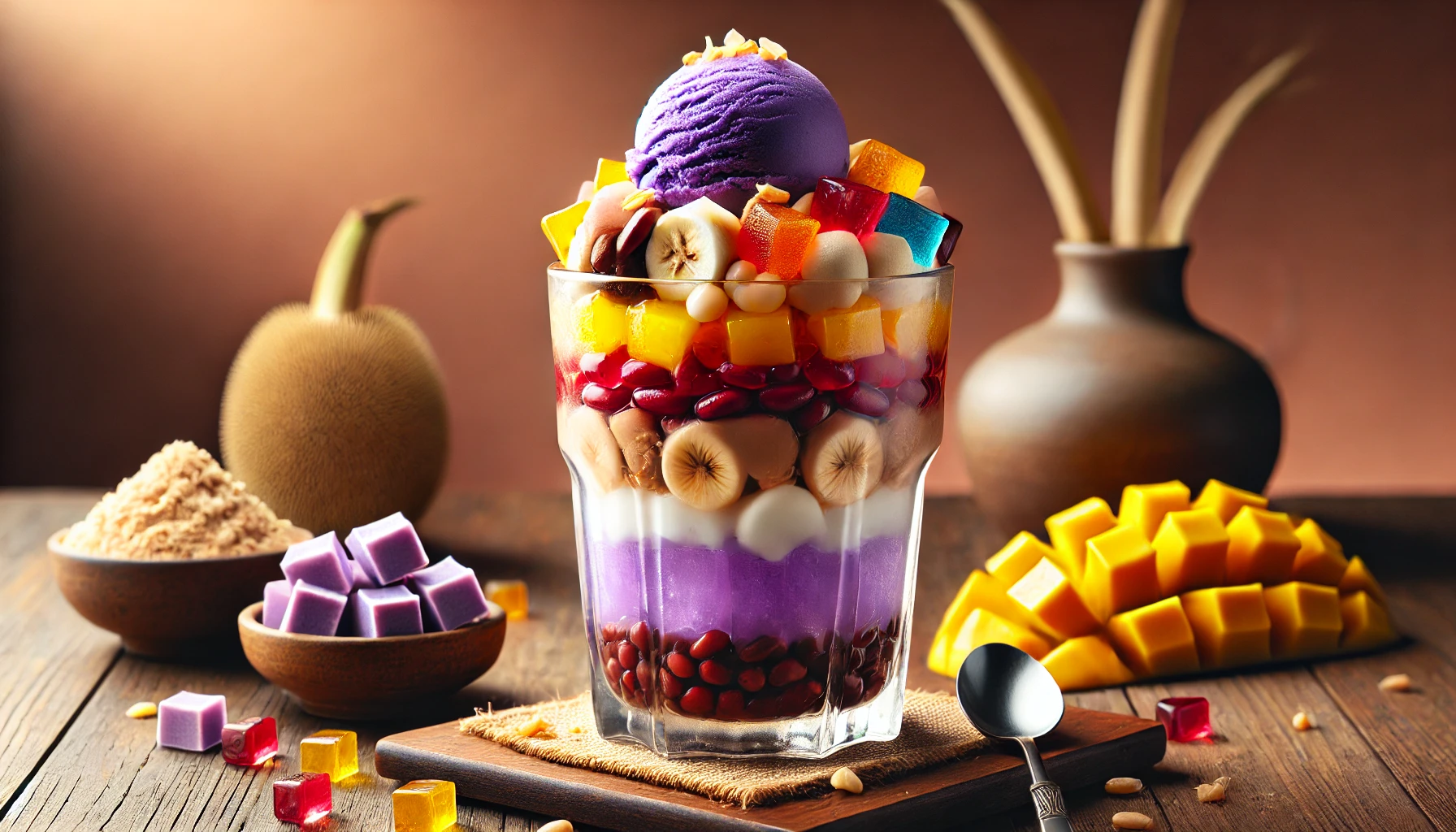
Halo-Halo is a vibrant Filipino dessert that combines sweetened beans, jellies, fruits, and leche flan, topped with crushed ice and evaporated milk. Often finished with ube ice cream, this refreshing treat is perfect for hot days, offering a delightful mix of textures and flavors in every spoonful.
3. Bibingka (Rice cake with salted egg and cheese)
Bibingka is a traditional rice cake made with glutinous rice flour, coconut milk, and sugar, baked in banana leaves. Topped with salted eggs and cheese, it offers a unique sweet and savory flavor. Popular during the Christmas season, Bibingka is a warm and comforting dessert enjoyed with family and friends.4. Turon (Fried banana spring rolls)
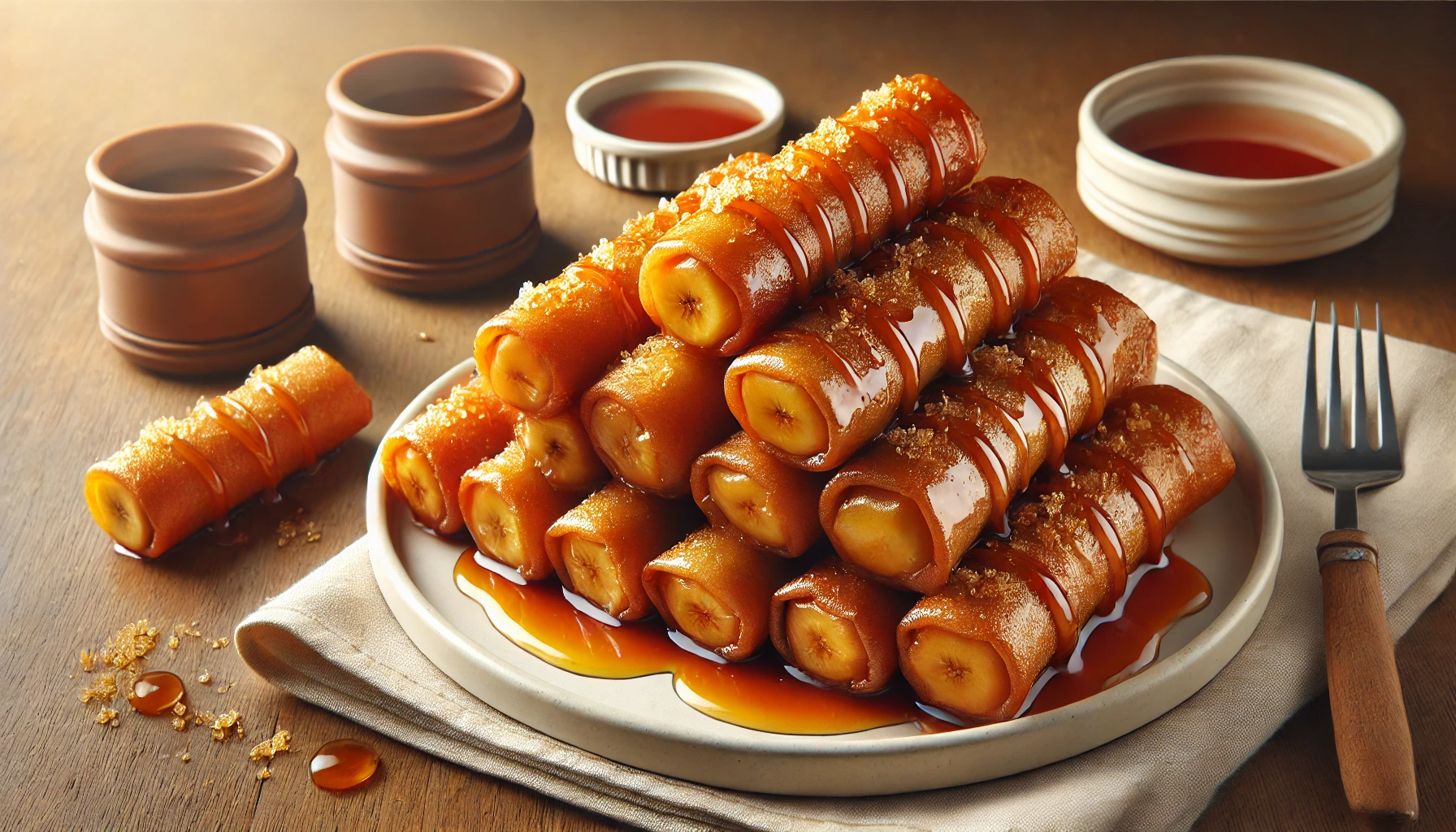
Turon is a sweet snack made with sliced bananas and jackfruit wrapped in spring roll wrappers, fried to golden perfection, and coated with caramelized sugar. Its crispy exterior and soft, sweet filling make it a beloved Filipino merienda (snack).
5. Puto (Steamed rice cakes)
Puto is a soft and fluffy Filipino rice cake made with glutinous rice flour and coconut milk. Often topped with cheese or salted egg, its mild sweetness pairs wonderfully with savory dishes like Dinuguan, making it a versatile favorite.How To Cook the Best Filipino Food at Home
Making Filipino food at home is both easy and rewarding, with key ingredients like soy sauce, vinegar, and coconut milk readily available. With simple tools like a pot or frying pan, you can recreate authentic flavors in your own kitchen. A perfect dish to begin with is Adobo, a savory stew of meat simmered in soy sauce and vinegar. We’ll guide you step by step to make this iconic Filipino dish!
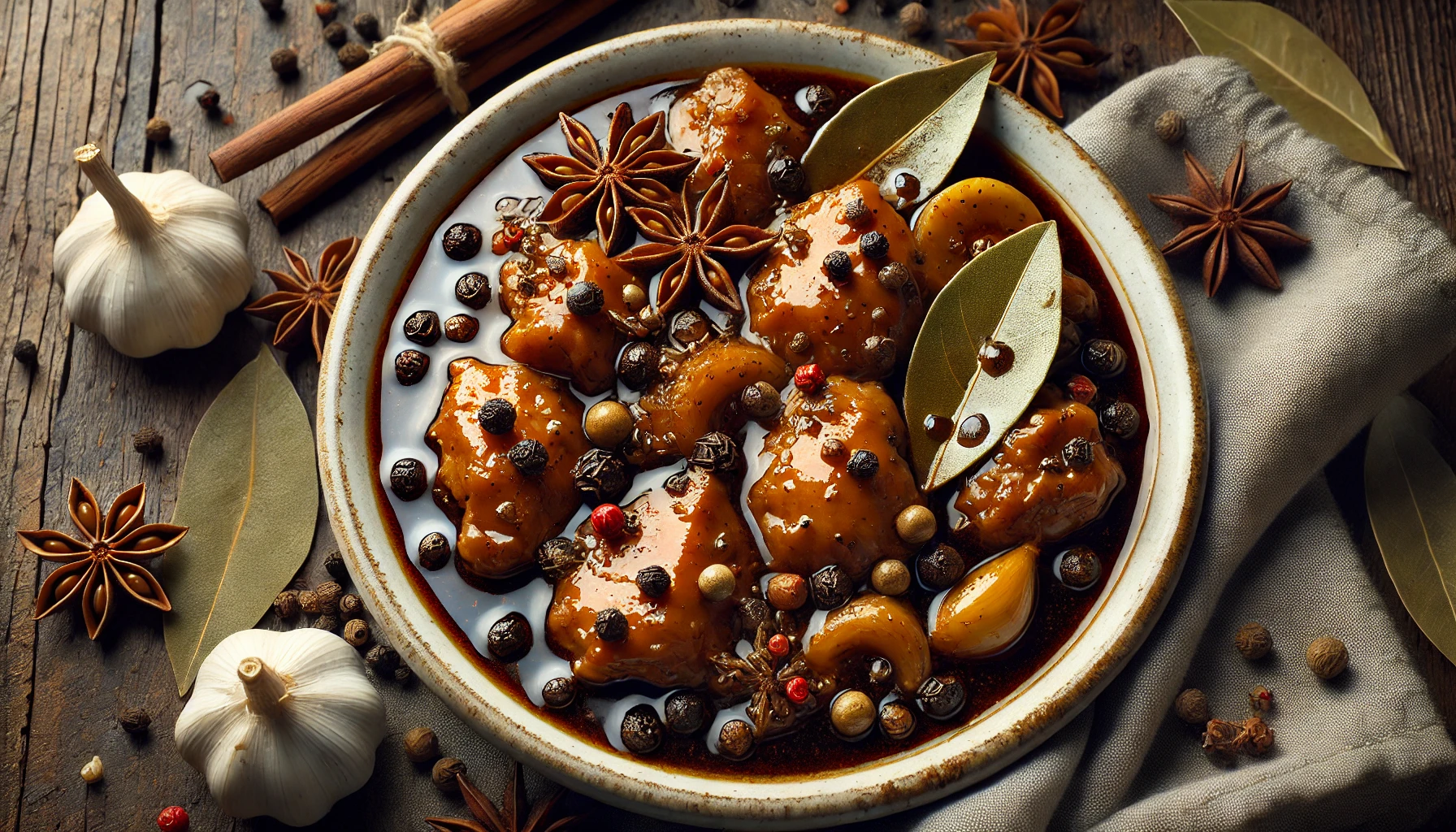
Best Chicken Adobo Recipe
Ingredients:- 1 kg chicken (drumsticks or thighs)
- 1/2 cup soy sauce
- 1/2 cup vinegar
- 6 cloves garlic (minced)
- 2 bay leaves
- 1 teaspoon whole peppercorns
- 1 cup water
- 2 tablespoons cooking oil
- 1 tablespoon brown sugar (optional)
Step 1: Prepare the Chicken Rinse the chicken pieces and pat them dry with a paper towel. In a bowl, combine soy sauce, vinegar, and minced garlic. Place the chicken in the mixture, ensuring each piece is well-coated. Let it marinate for at least 30 minutes, or refrigerate overnight for deeper flavor.
Step 2: Brown the Chicken Heat cooking oil in a large pan over medium heat. Remove the chicken from the marinade (reserve the marinade) and sear the pieces on both sides until golden brown. This step enhances the flavor and locks in the juices.
Step 3: Build the Sauce Pour the reserved marinade and 1 cup of water into the pan. Add bay leaves and whole peppercorns, then bring the mixture to a boil. Stir gently to combine the flavors.
Step 4: Simmer to Tenderness Reduce the heat to low, cover the pan, and let the chicken simmer for 30–40 minutes. Stir occasionally to ensure even cooking. If the sauce becomes too thick, add a little water to maintain the desired consistency.
Step 5: Final Touches Taste the sauce and adjust the seasoning by adding a bit of brown sugar for a hint of sweetness, or more soy sauce and vinegar for a stronger flavor. Simmer uncovered for a few more minutes to slightly thicken the sauce.
Step 6: Serve and Enjoy Transfer the Chicken Adobo to a serving dish and spoon the rich, flavorful sauce over the top. Serve hot with steamed rice for a comforting and satisfying meal.
This Chicken Adobo recipe is a true representation of Filipino comfort food, combining bold flavors with simple cooking techniques. Whether you’re new to Filipino cuisine or a longtime fan, this dish is a perfect starting point. To further explore the rich culinary traditions of the Philippines, consider diving into Filipino cookbooks that feature a variety of recipes, from savory stews to festive desserts. These cookbooks can help you discover the depth and diversity of Filipino food, making your kitchen a gateway to the flavors of the Philippines.
Filipino Food FAQs
What is the national dish of the Philippines?
There is no official national dish, but adobo is the one most often called the unofficial national dish. It is cooked in almost every Filipino home, and every family has its own version.
What does Filipino food taste like?
Filipino food balances sour, salty and sweet. Vinegar, soy sauce, tamarind and calamansi (a small citrus fruit) are the common flavourings, often with garlic, onion and fish sauce. Most dishes are savoury rather than hot.
Is Filipino food spicy?
Mostly not. Chilli is usually served on the side in vinegar dips so each person adds their own. Bicol Express, a pork and coconut milk dish from the Bicol region, is the best-known exception.
What is the most popular Filipino dessert?
Halo-halo is the best known: shaved ice with sweet beans, jellies, fruit, evaporated milk and often ube ice cream and leche flan on top. Leche flan and bibingka are the other favourites.
What is merienda?
Merienda is the Filipino afternoon snack, a small meal between lunch and dinner. Turon, bibingka, puto and pancit are all common merienda foods.
Final Thoughts
Filipino cuisine is celebrated for its bold flavors, rich traditions, and the harmonious blend of savory, tangy, and sweet elements. Iconic dishes like Adobo, Sinigang, and Lechon highlight the depth and variety of Filipino food, each one offering a taste of the Philippines’ vibrant culture and heritage. Whether you’re indulging in hearty stews or exploring festive desserts like Halo-Halo and Bibingka, Filipino cuisine provides a unique and unforgettable dining experience.For those inspired to bring the flavors of the Philippines into their kitchen, a well-crafted Filipino cookbook is an invaluable guide. These books offer step-by-step instructions, authentic recipes, and tips for mastering the art of Filipino cooking. From perfecting the classic Adobo to preparing delicious sides like Atchara and Lumpia, Filipino cookbooks make it easy to recreate these traditional dishes. Whether you’re new to Filipino food or eager to expand your culinary horizons, these cookbooks will help you embrace the vibrant world of Filipino flavors.