
Traditional Indian Food: 10 Dishes and What's in Them
The short answer
The ten traditional Indian dishes most worth knowing are biryani, butter chicken, masala dosa, rogan josh, palak paneer, chole bhature, samosa, tandoori chicken, dal tadka and pani puri. Indian cooking has more naturally vegetarian dishes than almost any other cuisine, and many are gluten-free as long as you skip the bread.
- Biryani: spiced rice layered with meat or vegetables and cooked slowly.
- Butter chicken: chicken in a mild, creamy tomato sauce.
- Masala dosa: a thin, crisp rice and lentil pancake around spiced potato.
- Rogan josh: a Kashmiri lamb curry, deep red but not fiery.
- Palak paneer: cubes of fresh cheese in a spinach sauce.
- Chole bhature: chickpea curry with puffed fried bread.
- Samosa: a fried pastry filled with spiced potato and peas.
- Tandoori chicken: yoghurt-marinated chicken roasted in a clay oven.
- Dal tadka: yellow lentils finished with spices fried in ghee.
- Pani puri: tiny crisp shells filled with spiced water, eaten in one bite.
Below is what each dish is, how hot to expect it, and whether it is vegan, vegetarian or gluten-free, or what to swap to make it so. For more countries, see our world cuisines guides.
10 Traditional Indian Dishes and What's in Them
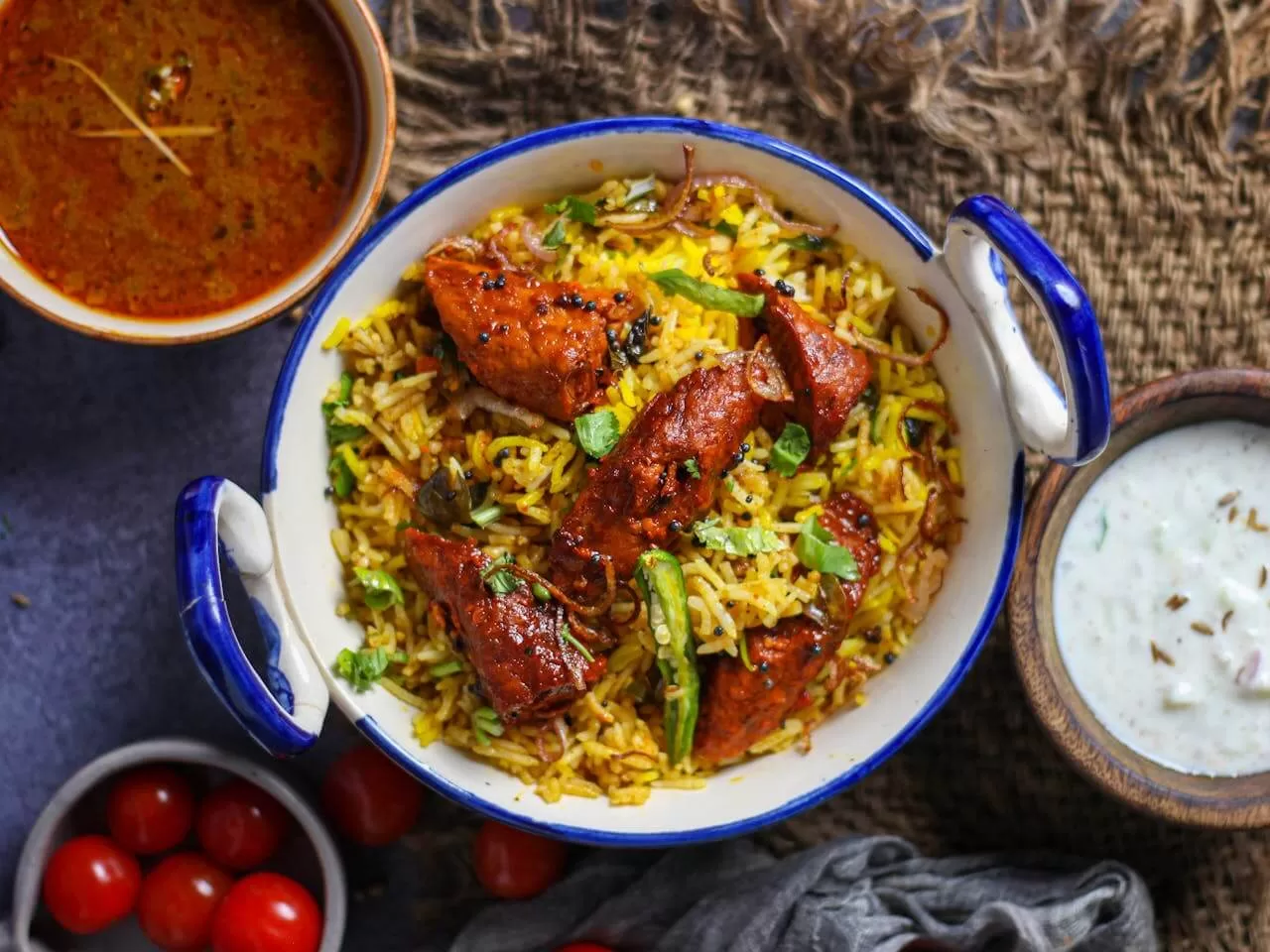
1. Biryani
Biryani is basmati rice layered with marinated meat or vegetables and whole spices like cardamom, cloves and saffron, then sealed and cooked slowly so the rice takes on the flavour underneath. Hyderabad, Lucknow and Kolkata each have their own style; the Kolkata one famously includes potato.
Diet note: rice is gluten-free. Vegetable biryani is common, but the marinade often uses yoghurt and the rice is often finished with ghee, so for vegan ask for oil and a dairy-free marinade, or use coconut milk.
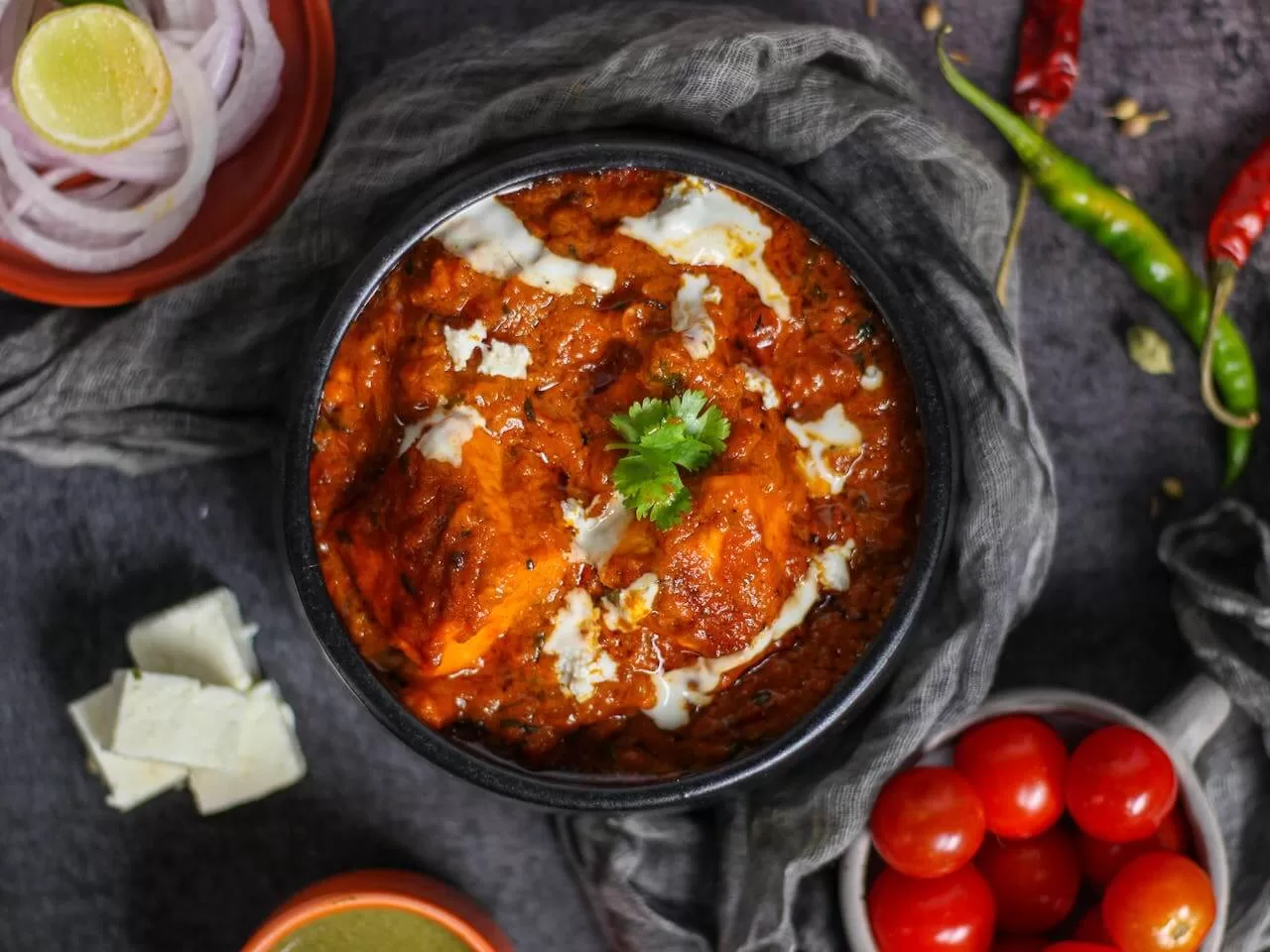
2. Butter Chicken (Murgh Makhani)
Butter chicken is tandoori-style chicken finished in a smooth tomato sauce with butter, cream and mild spices like garam masala and dried fenugreek leaves. It comes from Delhi and is one of the mildest curries on most menus, which is why it is often the first Indian dish people try.
Diet note: the curry itself is usually gluten-free, but the naan it comes with is wheat, so have it with rice. Paneer makhani is the vegetarian version; for vegan, use tofu and coconut cream.
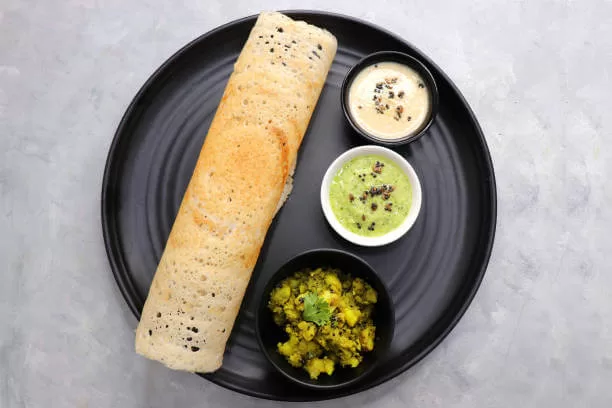
3. Masala Dosa
A dosa is a thin, crisp pancake made from a fermented batter of rice and urad dal (black lentils). The masala version is folded around potato cooked with mustard seeds, curry leaves and turmeric, and served with coconut chutney and sambar, a tangy lentil and vegetable stew. It is a South Indian breakfast and snack.
Diet note: the batter is naturally gluten-free and often vegan. Some cooks brush the dosa with ghee, so ask for oil if you are vegan.
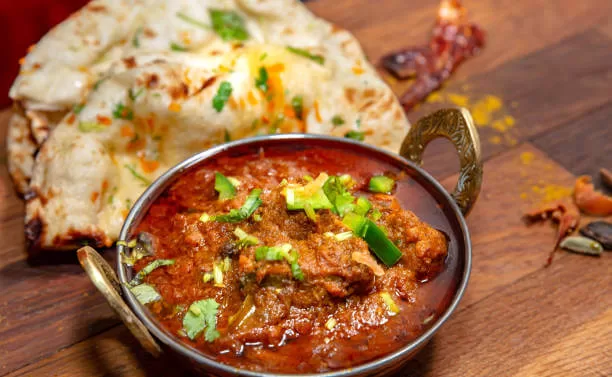
4. Rogan Josh
Rogan josh is a slow-cooked lamb or goat curry from Kashmir, flavoured with cardamom, cloves, cinnamon and fennel. The deep red colour comes from Kashmiri chilli, which gives colour more than heat, so it is warming rather than fierce.
Diet note: usually gluten-free. For a vegetarian version, cook the same sauce with potatoes or mushrooms, and swap any yoghurt for coconut yoghurt to make it vegan.
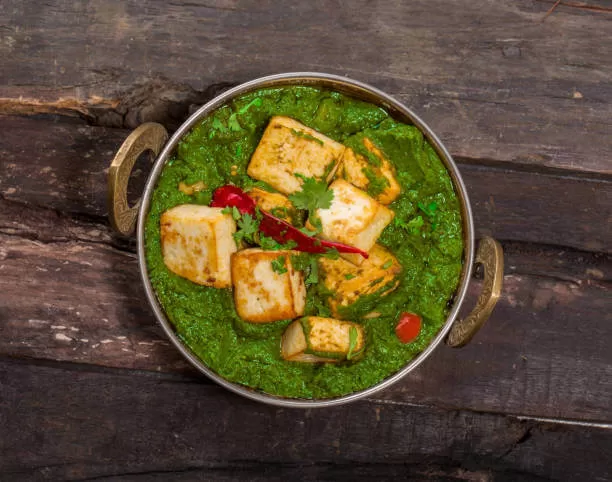
5. Palak Paneer
Palak paneer is cubes of paneer, a fresh, firm cheese that does not melt, simmered in a puréed spinach sauce with garlic, ginger, cumin and garam masala. It is a North Indian staple, usually eaten with roti or naan.
Diet note: vegetarian and gluten-free. For vegan, use firm tofu instead of paneer and coconut cream instead of dairy cream.
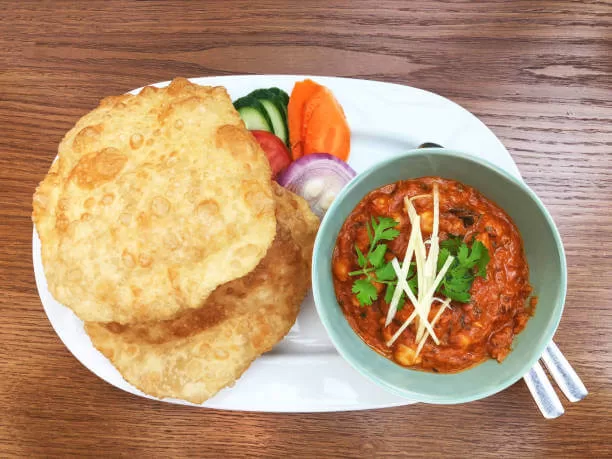
6. Chole Bhature
Chole is a spiced chickpea curry cooked with onion, tomato and a dark, tangy spice mix. Bhature are large puffed breads, deep-fried to order. Together they are a Punjabi breakfast or lunch, eaten with pickle and sliced onion.
Diet note: the chole is often vegan and gluten-free. The bhature are made from wheat flour and often yoghurt, so swap them for rice if you need gluten-free or vegan.
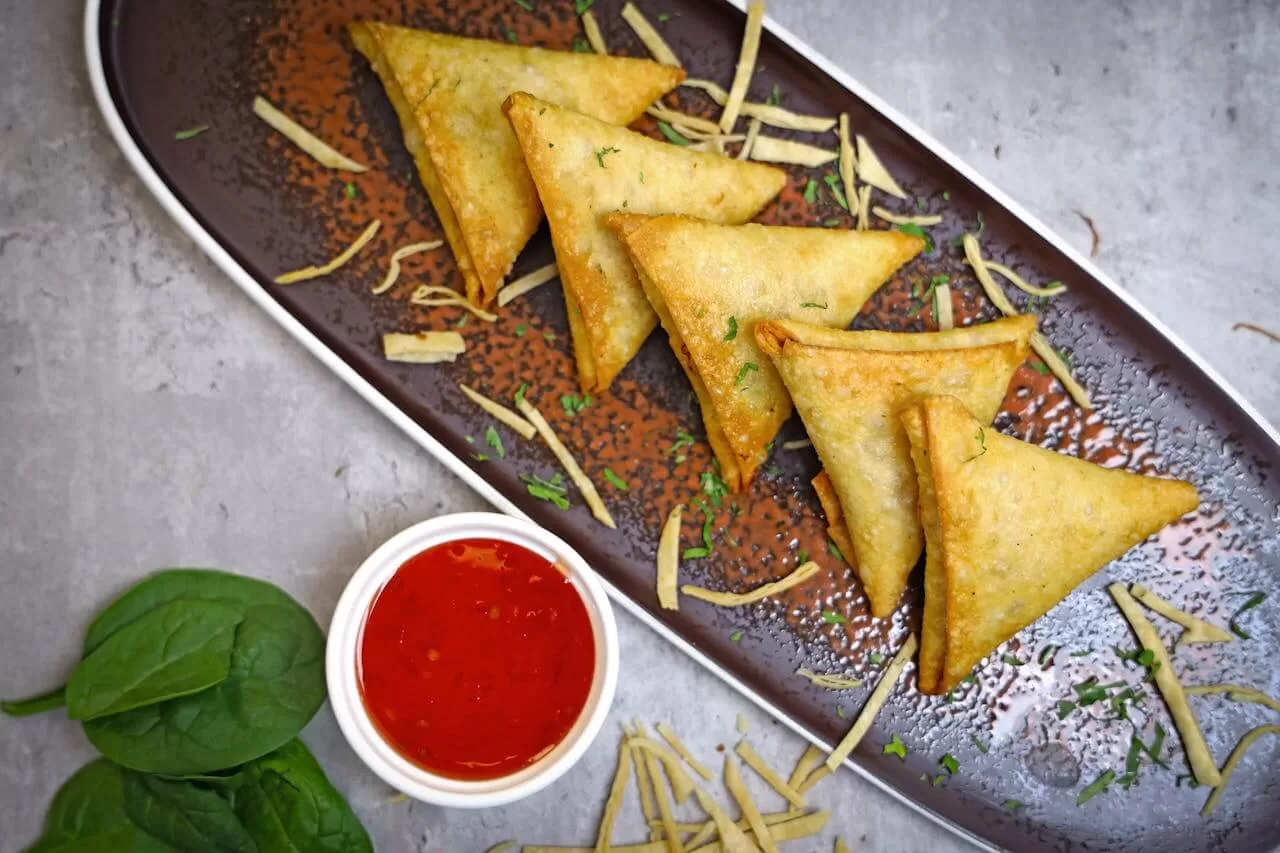
7. Samosa
A samosa is a triangle of pastry filled with potato, peas and spices like cumin and coriander, then deep-fried. Tamarind or mint chutney goes with it. It is the classic street snack and the thing on every party table.
Diet note: the pastry is wheat, so samosas are not gluten-free. The potato filling is vegetarian and often vegan, but some pastry is made with ghee, so ask.
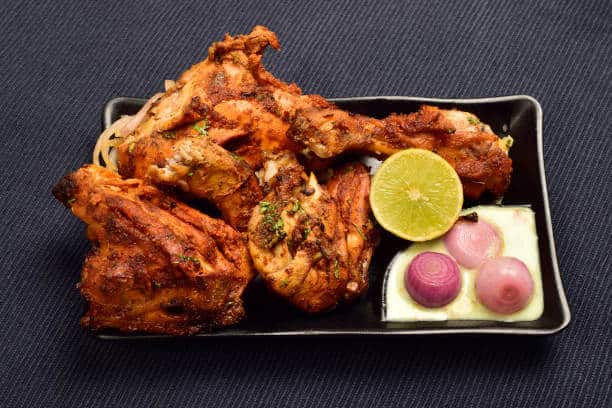
8. Tandoori Chicken
Tandoori chicken is marinated in yoghurt, lemon and spices, then roasted in a tandoor, a very hot clay oven that chars the outside and keeps the inside moist. Restaurant versions are often coloured bright red. It comes with mint chutney, onion and lemon.
Diet note: usually gluten-free. Tandoori paneer, cauliflower or mushrooms are the vegetarian versions, and a coconut yoghurt marinade makes them vegan.
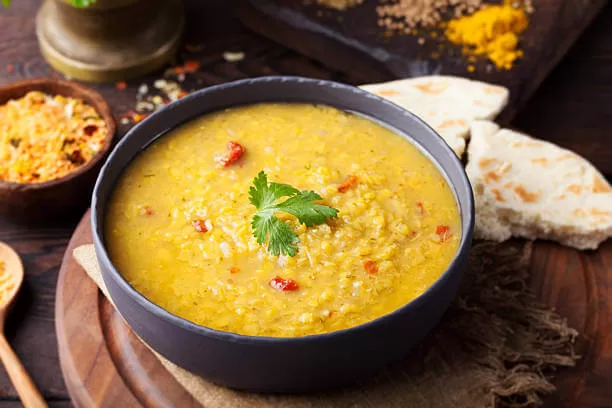
9. Dal Tadka
Dal tadka is yellow lentils (toor dal) cooked soft with turmeric, then finished with a tadka: cumin, garlic, dried chilli and sometimes asafoetida fried in hot ghee and poured over the top at the last minute. It is everyday food in much of India, eaten with rice or roti.
Diet note: make the tadka with oil and it is vegan. It is gluten-free apart from one catch: asafoetida (hing) is usually sold cut with wheat flour, so look for a rice-flour version if you are coeliac.
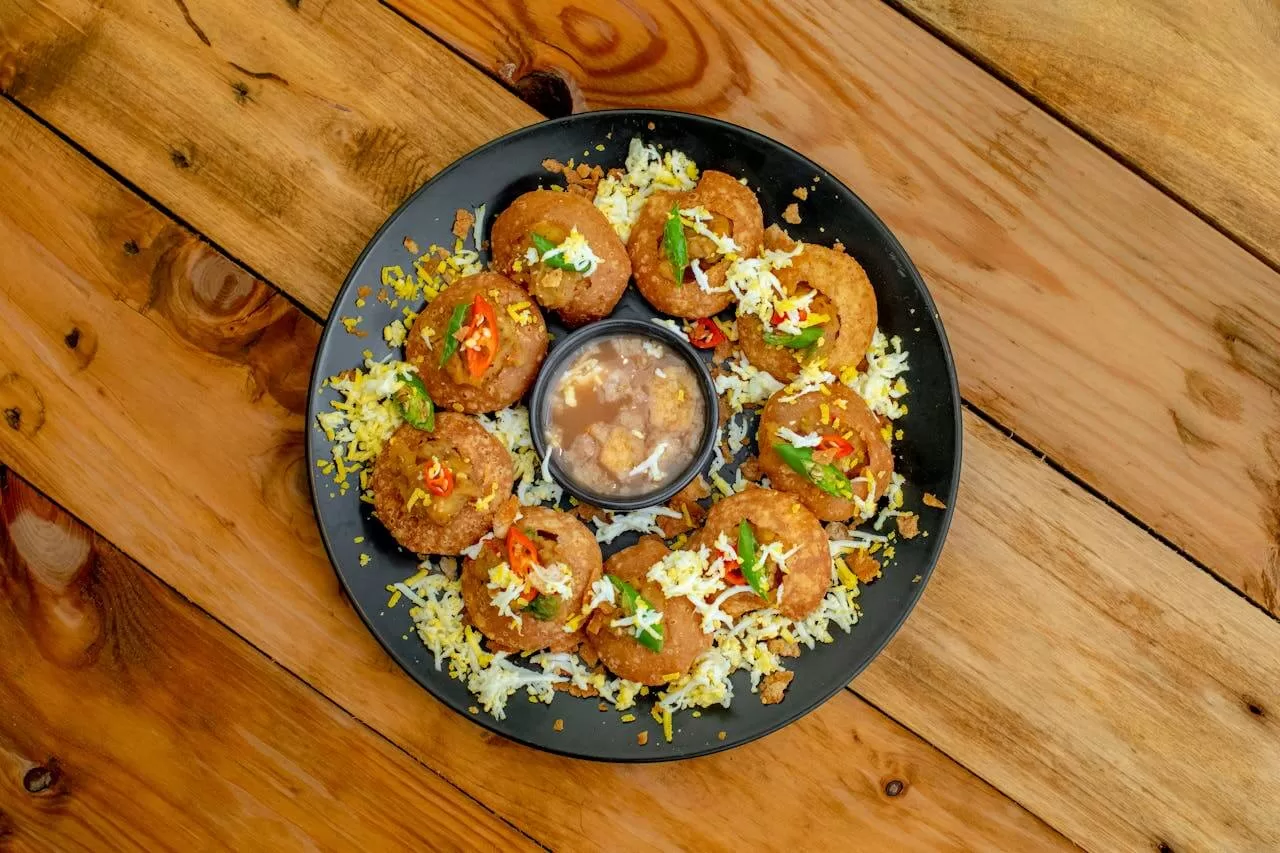
10. Pani Puri
Pani puri are small, hollow, crisp shells. You crack a hole in the top, add potato or chickpeas, fill it with tangy, spicy mint and tamarind water, and eat it in one go before it goes soft. It is sold from street carts, usually in the evening, and goes by golgappa or puchka in other parts of India.
Diet note: usually vegan. The puris are often made with semolina or wheat flour, so they are not gluten-free.
Indian Street Food to Try
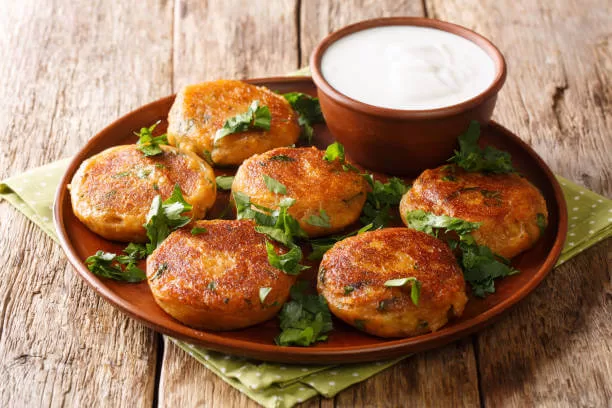
Aloo Tikki
Aloo tikki are patties of mashed potato, spices and herbs, shallow-fried until crisp and served with chutney or yoghurt. Often vegan; some cooks bind them with breadcrumbs, which is the thing to ask about for gluten-free.
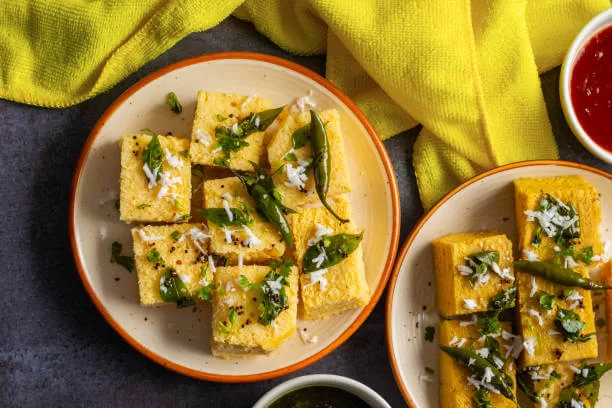
Dhokla
Dhokla is a soft, spongy steamed cake from Gujarat, made from a fermented chickpea flour batter and topped with mustard seeds, curry leaves and green chilli. Chickpea flour is gluten-free, but check the asafoetida in the tempering.
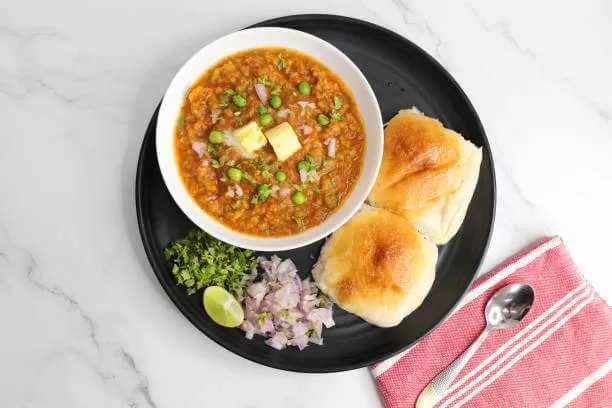
Pav Bhaji
Pav bhaji is a spiced mash of potato, peas, tomato and other vegetables cooked on a big flat griddle with plenty of butter, served with soft buttered bread rolls (pav). It is Mumbai’s best known street food. Vegetarian as it comes; swap the butter for oil and the rolls for vegan bread to make it vegan.
Eating Indian Food Vegan, Vegetarian or Gluten-Free
A large share of India eats vegetarian, so vegetarian options are the norm rather than an afterthought. Vegan is harder than it looks because of dairy: ghee, butter, cream, yoghurt and paneer turn up in a lot of dishes. Asking for oil instead of ghee sorts out most of it.
For gluten-free, rice and dal dishes are the safe base. The wheat is mostly in the breads (naan, roti, paratha, bhature, puri) and in samosa pastry. The hidden one is asafoetida, which is usually cut with wheat flour. Our guide to whether spices are gluten-free covers what else to watch for in spice blends.
Momos, the steamed dumplings from Tibet and Nepal that are now street food across northern India, are another good one to know. We cover what momos are and what’s in them.
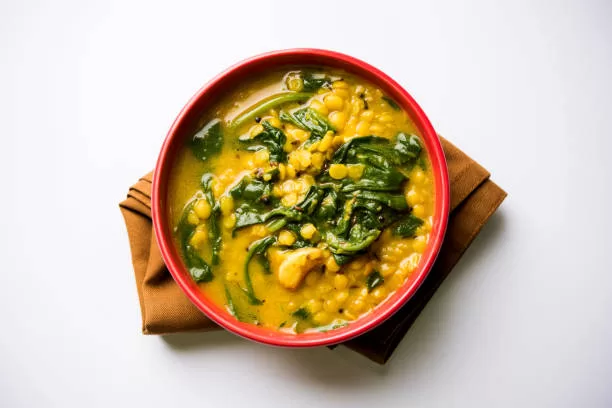
Easy Vegan Indian Curry Recipe
A simple vegetable curry in a coconut milk sauce. Vegan and gluten-free, and about 40 minutes start to finish. Serves four.
Ingredients
- 1 tbsp vegetable oil
- 1 onion, finely chopped
- 3 cloves garlic, crushed
- 1 tbsp fresh ginger, grated
- 1 tsp cumin seeds
- 1 tsp ground coriander
- 1 tsp turmeric
- 1 tsp garam masala
- 1/2 tsp chilli powder (optional)
- 400ml tin coconut milk
- 2 tomatoes, chopped
- 2 cups cauliflower florets
- 2 medium potatoes, peeled and diced
- 1 cup baby spinach
- Salt to taste
- Fresh coriander to serve (optional)
Method
- Heat the oil in a large pan over medium heat. Add the cumin seeds and fry until fragrant.
- Add the onion and cook until soft, 5 to 7 minutes.
- Stir in the garlic and ginger and cook for another minute.
- Add the ground coriander, turmeric, garam masala and chilli powder and stir to coat the onion.
- Add the tomatoes and cook until they break down, about 5 minutes.
- Pour in the coconut milk, bring to a simmer, then add the cauliflower and potato. Cover and cook for 15 to 20 minutes, until the potato is tender.
- Stir in the spinach until it wilts, then season with salt.
- Scatter with coriander and serve with rice.
Indian Cookbooks Worth Having
Madhur Jaffrey’s Indian Cooking is the long-standing starting point for home cooks, covering curries, dals, breads and rice dishes with clear instructions. Vegan Richa’s Indian Kitchen by Richa Hingle does the same job for plant-based cooks, with dairy-free versions of the restaurant classics.
Indian Food FAQs
What is the most popular traditional Indian food?
Biryani and butter chicken are the Indian dishes ordered most often, both in India and abroad. At home, most Indian families eat dal, rice, roti and a vegetable dish far more often than either.
What is India's national dish?
India has no official national dish. Khichdi, a simple dish of rice and lentils cooked together, is the one most often put forward, because versions of it are eaten in almost every region.
What is the difference between North and South Indian food?
North Indian food leans on wheat breads, dairy like paneer, cream and ghee, and tandoor cooking. South Indian food is built on rice and lentils, with coconut, curry leaves, tamarind and mustard seeds, and dishes like dosa, idli and sambar.
Which Indian dishes are vegan?
Chana masala, aloo gobi, most dals, masala dosa, sambar and pani puri are often vegan or close to it. The thing to ask about is ghee, butter or cream, which can be swapped for oil or coconut milk in most dishes.
Is Indian food gluten-free?
Much of it is. Rice, lentils, curries and dosa are usually gluten-free, while naan, roti, samosas and bhature are wheat. The hidden risk is asafoetida (hing), which is usually cut with wheat flour, so coeliacs should ask about it.
What is the spiciest Indian dish?
Vindaloo, from Goa, is the hot curry most people know, and restaurant versions are often made very hot. Phaal, a curry-house invention from Britain rather than India, is usually the hottest thing on the menu.