
Cupboard & Pantry · Buyer's Guides · Foodie Tips · Gluten Free
Are Spices Gluten Free? Brand by Brand
The short answer
A single spice is naturally gluten free, because it is a dried plant and nothing else. The risk is not in the spice, it is in what gets added to it: anti-caking agents, flour used as a bulking agent in cheap blends, and shared production lines. Single-ingredient jars are safe. Seasoning blends are the ones to read.
This guide replaces the six separate spice articles we had running: paprika, cinnamon, garlic, garlic powder, mustard powder and salt. The answer turned out to be the same for all six, so they belong on one page, with the brand detail underneath.
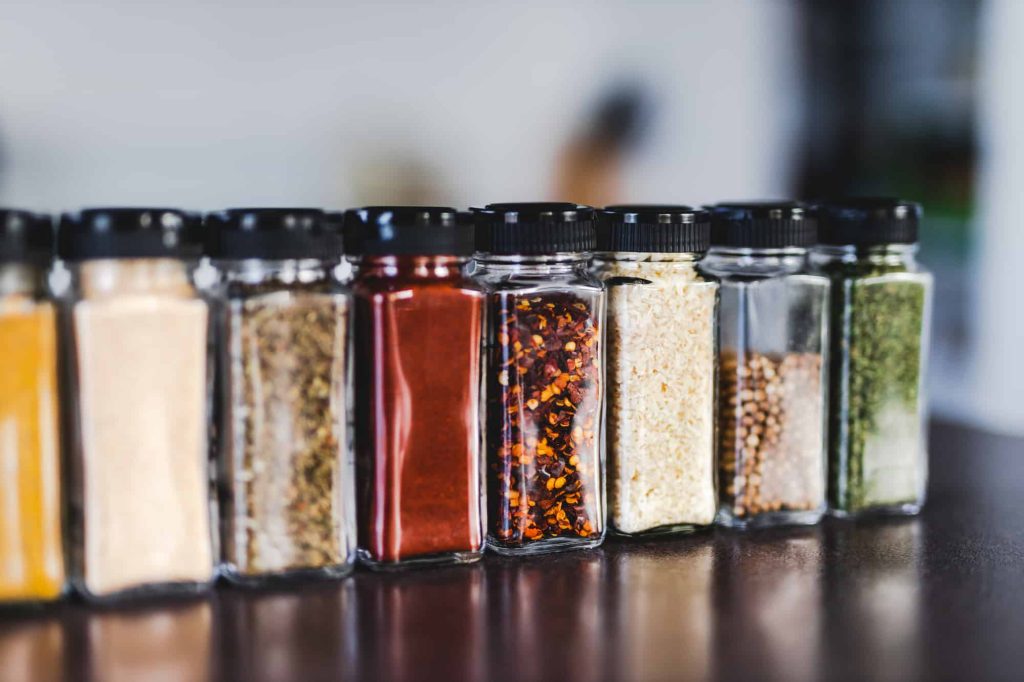
A caution before the table. This is a starting point, not a clearance. Spice companies reformulate, and the same brand can be made in different facilities in different countries. If you have coeliac disease, the jar in your hand beats anything on this page.
The Spices at a Glance
| Spice | Short answer | The thing to check |
|---|---|---|
| Paprika | Usually yes | "May contain traces of wheat" on budget brands |
| Cinnamon | Usually yes | Cinnamon sugar and baking chips, which are blends |
| Garlic, fresh | Yes | Nothing. It is a bulb. FODMAPs are a separate issue |
| Garlic powder | Usually yes | Garlic salt and seasoning mixes rather than plain powder |
| Mustard powder | Usually yes | Cross-contamination, since it is milled near other grains |
| Salt, plain | Yes | Nothing. Table, kosher, sea and Himalayan are all fine |
| Seasoned salt | Check the label | This is a blend, so all the blend risks apply |
Notice the pattern. Everything sold as one ingredient is fine. Everything sold as a mixture needs reading. That is the whole guide in two sentences, and it holds for spices we have not listed.
Where Gluten Actually Gets Into Spices
Dried herbs and ground spices contain no gluten of their own. These are the four ways it arrives.
- Anti-caking agents. Powders clump, so blends carry something to stop it. Silicon dioxide and calcium silicate are the common ones and both are gluten free. Wheat starch and plain flour are used by some manufacturers, and those are not.
- Flour as a bulking agent. In cheaper seasoning blends, flour pads out the volume. This is rare in single spices and common at the budget end of mixes.
- Shared facilities and mills. The reason a jar of pure paprika carries "may contain traces of wheat". The spice is clean, the production line is not dedicated. Mustard powder is particularly prone to this, because mustard seed is often milled where grain is milled.
- The blend itself. Curry powders, taco seasonings, gravy bases and rubs can include malt, soy sauce powder, hydrolysed wheat protein or wheat-based thickeners as actual listed ingredients.
Worth knowing: "may contain traces of wheat" is a cross-contamination warning, not an ingredient declaration. Many coeliac readers avoid those products entirely and many do not. It is a judgement about your own tolerance rather than a yes or no on the label.
Gluten-Free Spice Brands, Brand by Brand
These are the makers' own positions. "Not stated" means the manufacturer has not committed either way, which is common for spices precisely because the problem is so unlikely.
| Spice | Brand | Status | What the maker says |
|---|---|---|---|
| Paprika | McCormick | Gluten free | Not labelled, but their allergen policy declares wheat whenever present, and paprika carries no declaration |
| Paprika | Great Value | Gluten free, with a caveat | Walmart lists it gluten free, but the jar says it may contain traces of wheat |
| Paprika | Kroger | Gluten free | Their smoked and sweet La Vera paprika are both listed gluten free |
| Paprika | Olde Thompson | Reported gluten free | No label, but reported gluten free by third-party checkers |
| Paprika | MasterFoods | Not stated | No gluten claim either way. Declares sesame, which is not a gluten issue |
| Paprika | Stonemill | Avoid if strict | Listed as possibly containing traces of gluten cereals |
| Cinnamon | McCormick | Gluten free | Same allergen policy as their paprika, no wheat declared |
| Cinnamon | Great Value | Gluten free | Walmart calls it naturally gluten free, though the jar is not labelled |
| Cinnamon | Simply Organic | Not stated | Says herbs and spices are generally gluten free, but does not test every product |
| Cinnamon | Kirkland | Not stated | No label on the organic ground Saigon cinnamon |
| Garlic powder | McCormick | Gluten free | No wheat or gluten declared, which under their policy means none present |
| Garlic powder | Lawry's | Gluten free | A McCormick brand. Ingredients are garlic, sunflower oil and parsley |
| Garlic powder | Clubhouse | Gluten free | Also McCormick, same policy |
| Garlic powder | Kroger | Gluten free | Listed gluten free |
| Garlic powder | Kirkland | Gluten free | Sold as granulated rather than powdered, and listed gluten free |
| Garlic powder | Stonemill | Avoid if strict | Reported as possibly containing wheat |
| Mustard powder | Badia | Gluten free | No label on the jar, but their website states it |
| Mustard powder | Colman's | Not stated | No label and no statement on their site |
| Salt | Any plain salt | Gluten free | Table, iodised, kosher, sea and Himalayan are all single-ingredient |
| Seasoned salt | McCormick Himalayan Pink with Pepper and Garlic | Gluten free | Carries a gluten-free label |
| Seasoned salt | McCormick Culinary Traditional | Not stated | No label on this one, unlike the product above |
| Seasoned salt | Lawry's Seasoned Salt | Not stated | No label and nothing on their site |
| Seasoned salt | Morton Season-All | Not stated | No label and nothing on their site |
| Seasoned salt | Jane's Krazy Mixed Up Salt | Not stated | No label and nothing on their site |
McCormick is the useful one to understand, because it covers a lot of shelf. Their allergen statement commits to declaring wheat on the label whenever it is present. So on a McCormick single spice, the absence of a wheat declaration is itself the answer, even though there is no gluten-free badge on the jar.
Is Salt Gluten Free?
Plain salt is gluten free in every form you can buy: table salt, iodised salt, kosher salt, sea salt, rock salt and Himalayan pink salt. It is a mineral, not a plant, so there is no mechanism for gluten to be in it.
Seasoned salt is a different product and a different answer. It is salt plus herbs, spices, sugar, anti-caking agents and sometimes a bulking agent, so it carries all the blend risks above. Most of the well-known seasoned salts do not carry a gluten-free label, which is worth knowing given how often they are treated as interchangeable with plain salt.
Is Garlic Gluten Free?
Fresh garlic is gluten free, whether raw, roasted or minced at home. A bulb of garlic is one ingredient.
Two things complicate it. Bottled minced garlic and garlic pastes carry preservatives, acids and occasionally thickeners, so they are worth a read where a fresh bulb is not. And garlic is high in fructans, which is a FODMAP question rather than a gluten one.
That distinction matters more than it sounds. Fructans cause bloating, wind and cramping in a lot of people, and they occur in both garlic and wheat. So somebody who feels better after cutting bread may be reacting to the fructans rather than the gluten, and will still react to garlic. If that sounds familiar, our gut health hub covers it properly.
Which Spice Blends Should I Be Careful With?
The single spices above are the easy half. These are the blends worth reading every time, because gluten appears in them as a real ingredient rather than a trace.
- Gravy and sauce mixes. Thickened with wheat flour more often than not.
- Taco, fajita and chilli seasonings. Frequently bulked with flour.
- Curry powders and garam masala. Usually fine, but asafoetida, a common ingredient, is very often cut with wheat flour.
- Stock powders and bouillon cubes. Can carry wheat, malt or hydrolysed wheat protein.
- Barbecue rubs. Can include malt powder or soy sauce powder.
- Anything sold loose from a bulk bin. Shared scoops move flour between containers.
Frequently Asked Questions
Is paprika gluten free?
Paprika is usually gluten free, since it is ground dried peppers and, at most, an anti-caking agent. McCormick and Kroger are gluten free, and Walmart's Great Value is listed gluten free while still carrying a "may contain traces of wheat" warning on the jar.
Is cinnamon gluten free?
Cinnamon is gluten free as a single-ingredient product, whether ground or as sticks. Cinnamon sugar, cinnamon baking chips and cinnamon-flavoured products are blends and need checking, because the cinnamon is no longer the only thing in the packet.
Is garlic powder gluten free?
Plain garlic powder is usually gluten free. McCormick, Lawry's, Clubhouse, Kroger and Kirkland all qualify. Garlic salt and garlic seasoning blends are a separate question, because an anti-caking agent or bulking agent has been added.
Is mustard powder gluten free?
Mustard powder is naturally gluten free, being ground mustard seed. Cross-contamination is the realistic risk rather than the ingredient, because mustard seed is often milled in facilities that also mill grain. Badia states theirs is gluten free. Colman's makes no claim either way.
Is seasoned salt gluten free?
It depends on the product, and most of the big seasoned salts do not carry a gluten-free label. Plain salt in any form is always gluten free. The moment herbs, spices and anti-caking agents are added, the answer stops being automatic.
Do spices need a gluten-free label to be safe?
No, and most do not carry one. In the United States the label is voluntary, and certifying a product that was never likely to contain gluten is work many spice companies skip. An unlabelled single spice from a maker with a clear allergen policy is generally more reassuring than an unlabelled blend from anyone.
Are anti-caking agents gluten free?
The common ones are. Silicon dioxide, calcium silicate and magnesium carbonate are all gluten free. Wheat starch and flour are the exceptions, and they are the reason the ingredients list on a blend is worth reading even when every spice named in it is fine.
Are dried herbs gluten free?
Yes. Dried basil, oregano, thyme, rosemary, parsley and the rest are dried leaves and nothing else. They follow the same rule as single spices: safe on their own, worth reading once they are part of a mixed seasoning.
Spices are the easy end of the gluten-free shop. The harder end is packaged food, where gluten hides in glucose syrup, malt and thickeners. Our gluten-free guide runs the same brand-by-brand check across 25 more foods.
Keep reading: Trish Tucker-May on gut health Is it gluten free? The food-by-food guide