
8 Must-Try Chinese Cuisines
The short answer
China's eight great regional cuisines are Sichuan, Cantonese, Shandong, Hunan, Jiangsu, Fujian, Zhejiang and Anhui. Sichuan and Hunan are the hot ones, Cantonese and Zhejiang the lightest, and Shandong the oldest.
- Sichuan: chilli and numbing Sichuan pepper. Order mapo tofu or kung pao chicken.
- Cantonese: fresh, light, steamed and roasted. Order dim sum or char siu.
- Shandong: salty, savoury and seafood-heavy. Order sweet and sour carp.
- Hunan: fresh chilli, sour and smoky. Order steamed fish head with chopped chilli.
- Jiangsu: refined, slightly sweet. Order lion's head meatballs.
- Fujian: soups and seafood. Order an oyster omelette.
- Zhejiang: fresh and mellow. Order Dongpo pork or West Lake fish.
- Anhui: mountain food, braised and stewed. Order stinky mandarin fish.
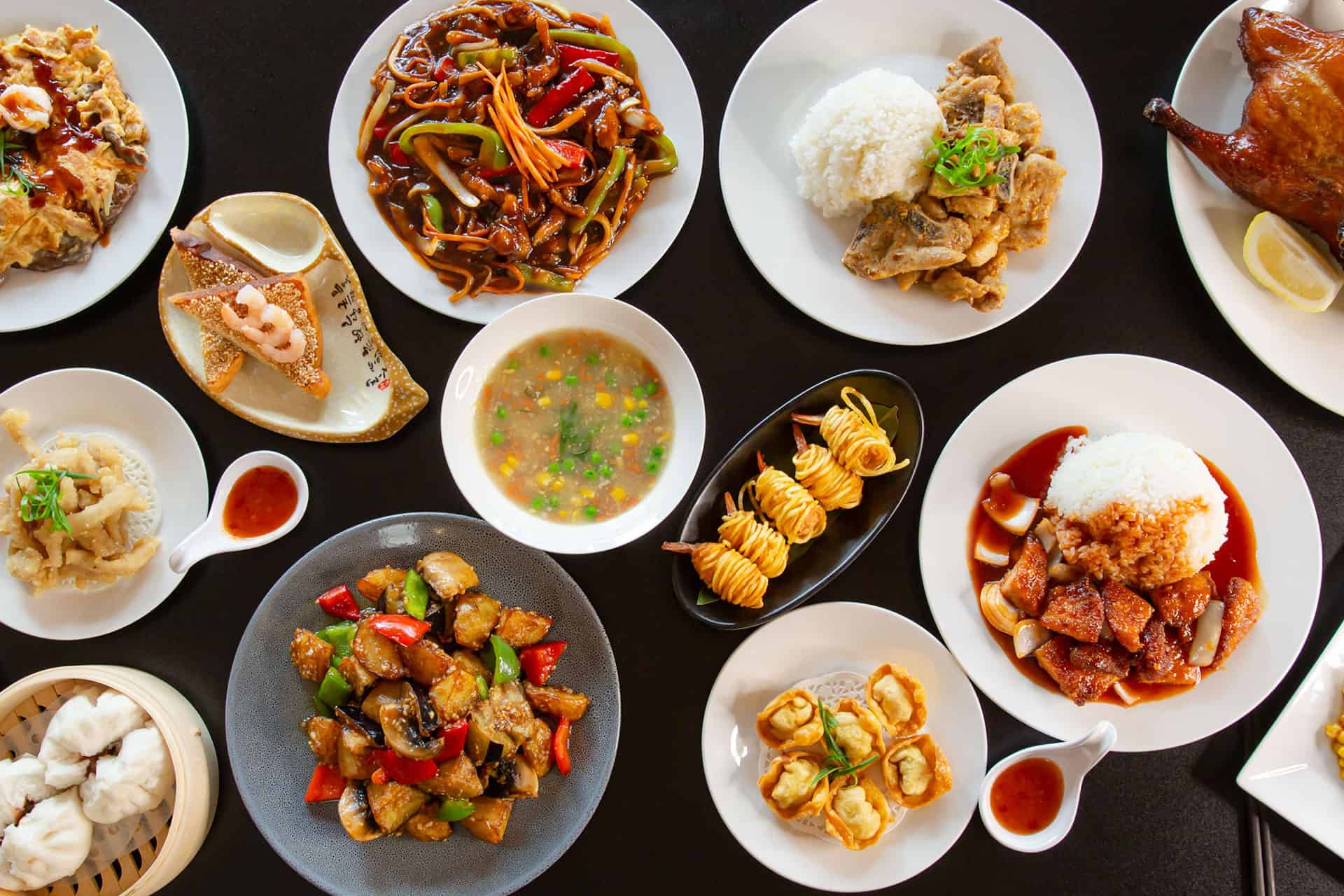
The eight are a traditional grouping rather than a complete map. China has far more than eight ways of cooking, and the food of places like Xinjiang, Yunnan and Beijing sits outside the list, but these eight are the ones Chinese cooks and restaurants still name. Below is what sets each apart and what to order first. For other countries, see our world cuisines guides.
The 8 Great Chinese Cuisines
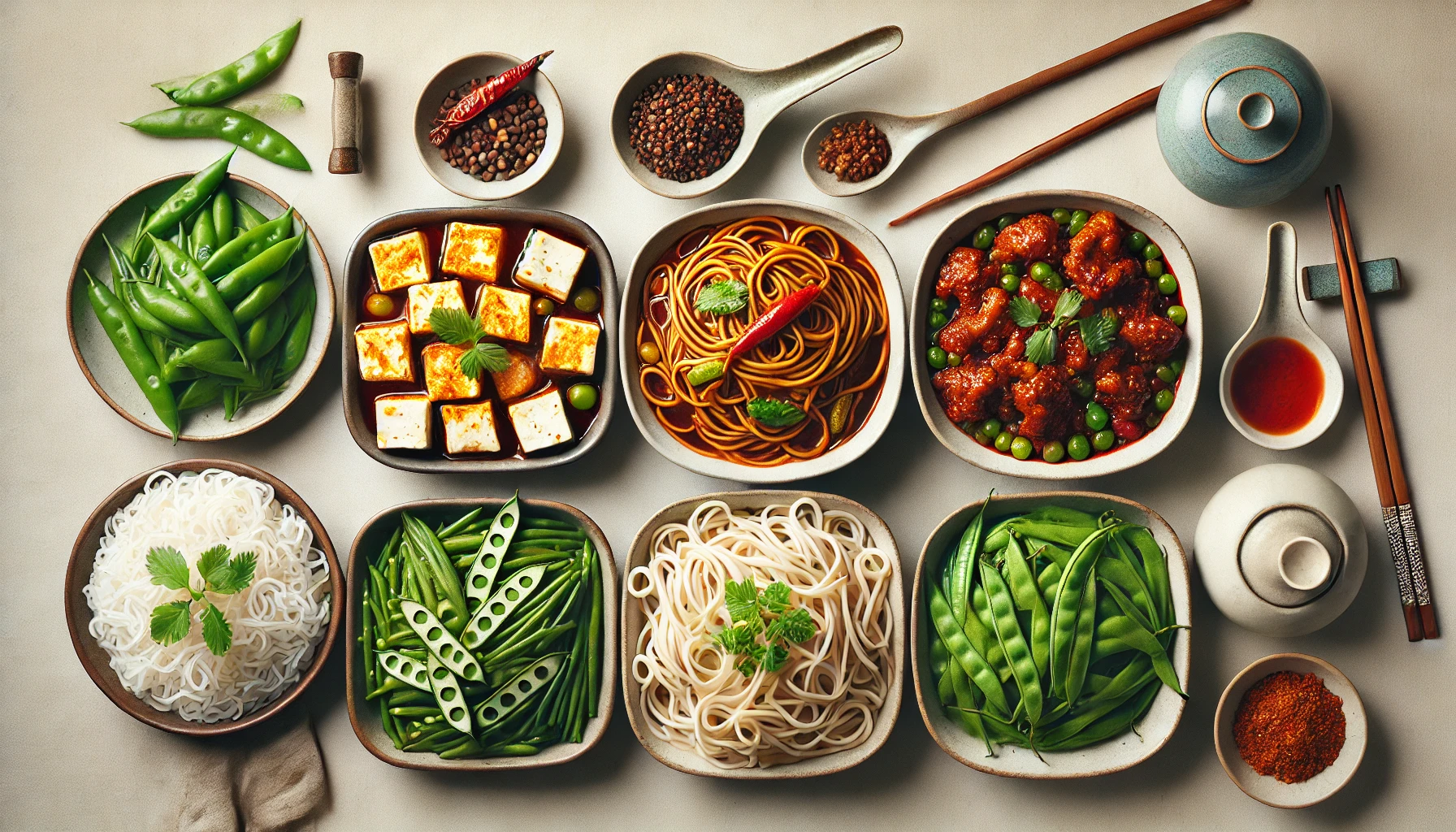
1. Sichuan Cuisine (Southwest)
Sichuan food is famous for mala, the pairing of dried chilli with Sichuan pepper, which leaves a tingling, slightly numb feeling on the lips. It is not only heat, though: sour, sweet and garlicky sauces sit alongside the fire, and plenty of dishes are barely spicy at all.
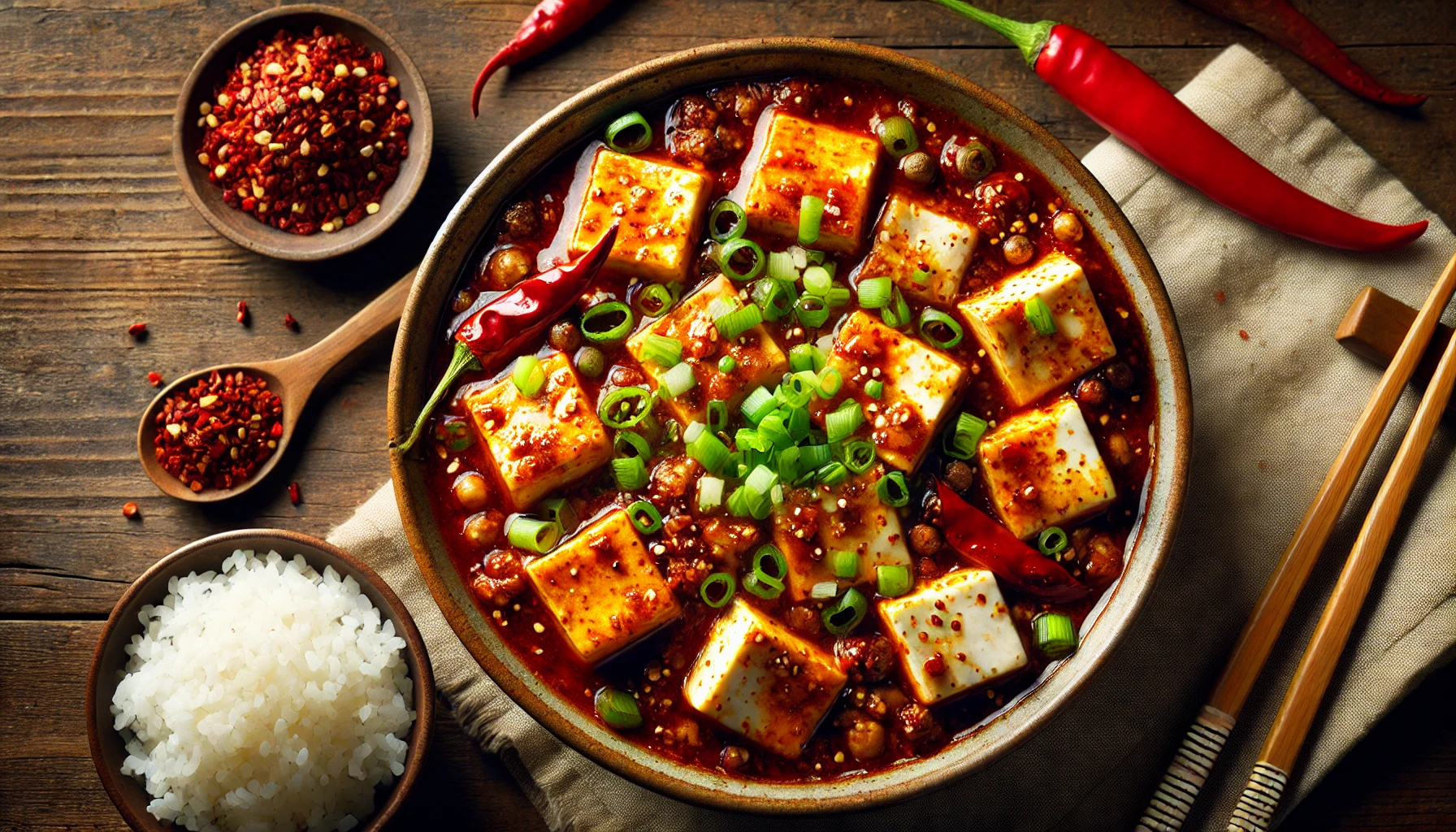
- Mapo tofu: soft tofu in a chilli bean sauce (doubanjiang) with minced pork or beef and ground Sichuan pepper.
- Kung pao chicken: diced chicken stir-fried with peanuts and dried chillies in a sweet, sour and savoury sauce.
- Hot pot: a pot of spicy broth at the centre of the table for cooking raw meat and vegetables. Chongqing is its home, and we have a whole series on running hot pot at home.
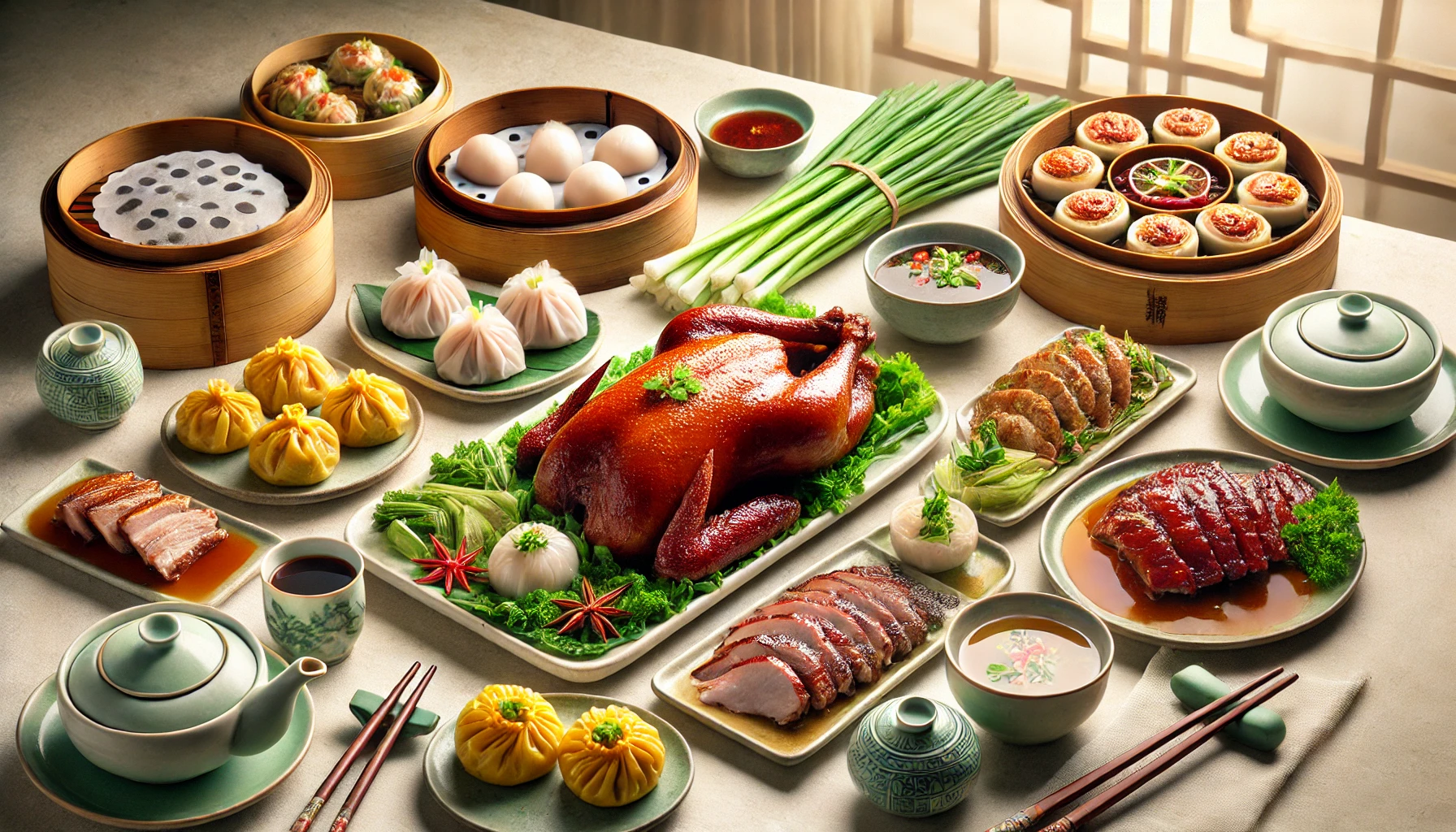
2. Cantonese Cuisine (South)
Cantonese food, from Guangdong and Hong Kong, is the style most Chinese restaurants overseas grew out of. It is about fresh ingredients cooked lightly: steaming, quick stir-frying and roasting, with sauces that season rather than cover. Its sweet soups use ingredients like peach gum and snow fungus.
- Dim sum: small plates of dumplings, buns and rolls, eaten with tea, usually at breakfast or lunch. Har gow (prawn dumplings) and siu mai (pork dumplings) are the classics.
- Char siu: pork marinated in a sweet soy and honey glaze and roasted until sticky and red at the edges.
- Steamed whole fish: fish steamed with ginger and spring onion, then finished with hot oil and soy sauce.
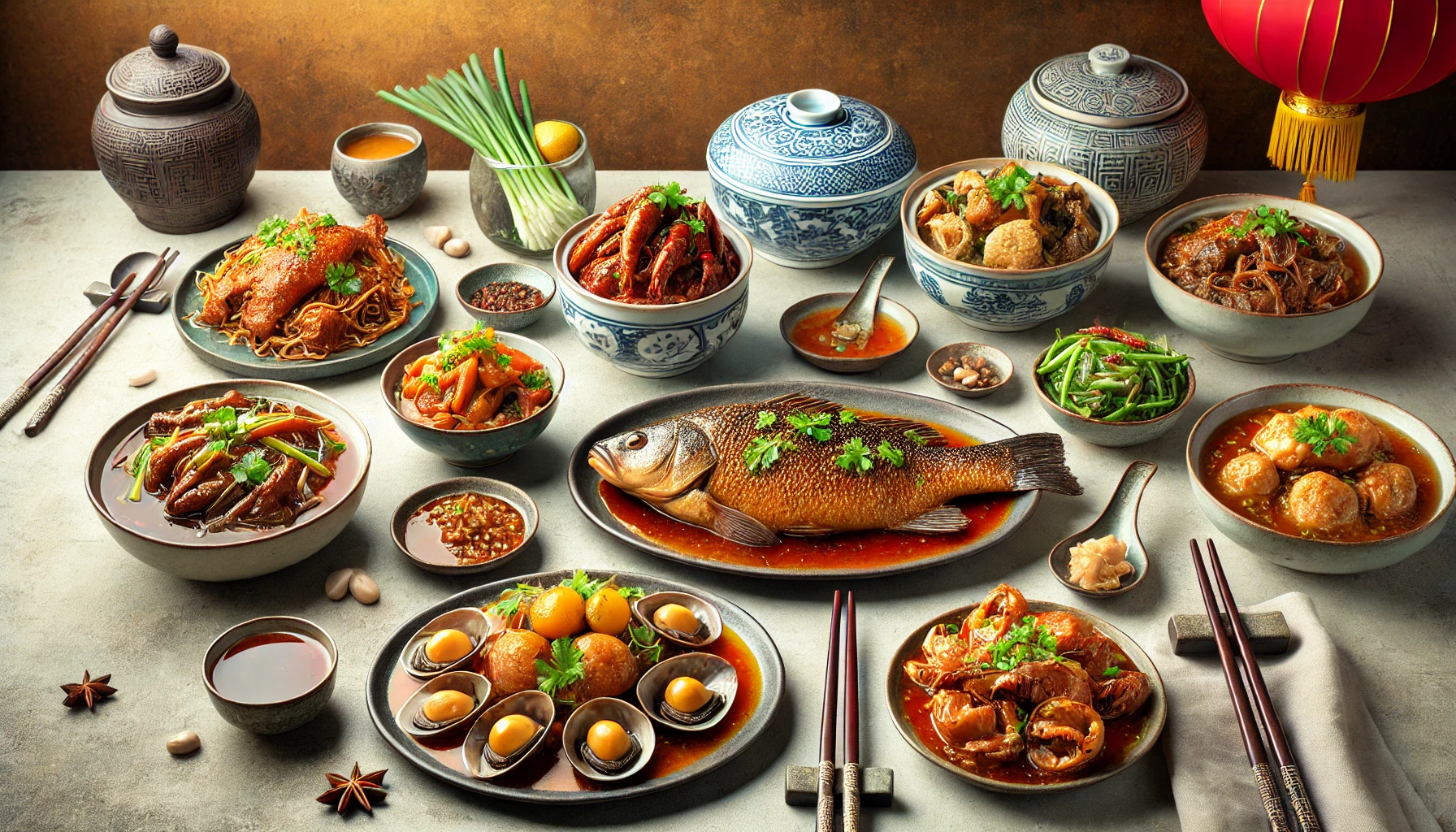
3. Shandong Cuisine (North)
Shandong, or Lu, cuisine is the oldest of the eight and shaped northern cooking, including much of what was served at the imperial court in Beijing. Being on the coast, it uses a lot of seafood. Expect salty, savoury flavours, clear and milky soups, and plenty of spring onion and garlic.
- Sweet and sour carp: a whole carp, deep-fried and covered in a sweet and sour sauce.
- Braised sea cucumber with spring onion: a banquet dish, soft and rich.
- Dezhou braised chicken: whole chicken braised in spices until it falls off the bone.
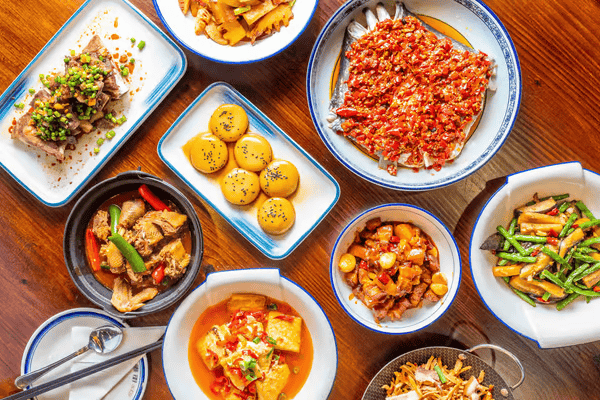
4. Hunan Cuisine (Central)
Hunan, or Xiang, food is often hotter than Sichuan, but it gets its heat from fresh and pickled chilli rather than numbing pepper. Sour pickles, smoked and cured meats and plenty of garlic and shallot are the other building blocks.
- Steamed fish head with chopped chilli: a fish head steamed under a thick layer of salted red chilli.
- Chairman Mao’s red-braised pork: pork belly braised with soy, sugar and spices, named for Hunan’s most famous son.
- Smoked pork stir-fried with chilli: cured, smoked pork belly with fresh chilli and garlic.
5. Jiangsu Cuisine (East)
Jiangsu, or Su, cuisine is the refined one: careful knife work, slow braising and stewing, and a gentle sweetness. It covers the food of cities like Nanjing, Suzhou and Yangzhou, the home of Yangzhou fried rice.
- Lion’s head meatballs: large, soft pork meatballs braised or stewed with cabbage.
- Squirrel-shaped mandarin fish: a whole fish scored so it opens out when fried, then glazed in sweet and sour sauce.
- Yangzhou fried rice: egg fried rice with prawns, pork and vegetables.
6. Fujian Cuisine (Southeast)
Fujian, or Min, cuisine is built on seafood and soup, lightly seasoned and often a little sweet or sour. Red yeast rice wine, which gives some dishes their colour, is a regional ingredient.
- Buddha jumps over the wall: a slow-cooked soup of abalone, sea cucumber, scallops, mushrooms and more. A banquet dish.
- Oyster omelette: small oysters fried in an egg and starch batter until crisp at the edges.
- Red wine lees chicken: chicken cooked with the lees left over from making red yeast rice wine.
7. Zhejiang Cuisine (East Coast)
Zhejiang, or Zhe, cuisine comes from the coast south of Shanghai, around Hangzhou and Ningbo, an area long called the land of fish and rice. It is fresh, mellow and not heavily sauced.
- Dongpo pork: squares of pork belly slow-braised in soy sauce and rice wine, named after the poet Su Dongpo.
- West Lake fish in vinegar sauce: poached fish under a sweet and sour vinegar sauce, from Hangzhou.
- Beggar’s chicken: a whole chicken wrapped in lotus leaves, sealed in clay or dough and baked.
8. Anhui Cuisine (East, inland)
Anhui, or Hui, cuisine is mountain food from the Huangshan area: wild herbs, bamboo shoots, mushrooms and game, cooked slowly by braising and stewing. It is the least known of the eight outside China.
- Stinky mandarin fish: a whole fish lightly fermented before it is braised. It smells strong and tastes mild and savoury.
- Braised bamboo shoots: fresh mountain bamboo shoots cooked with cured ham or pork.
Beyond the Eight: Xinjiang
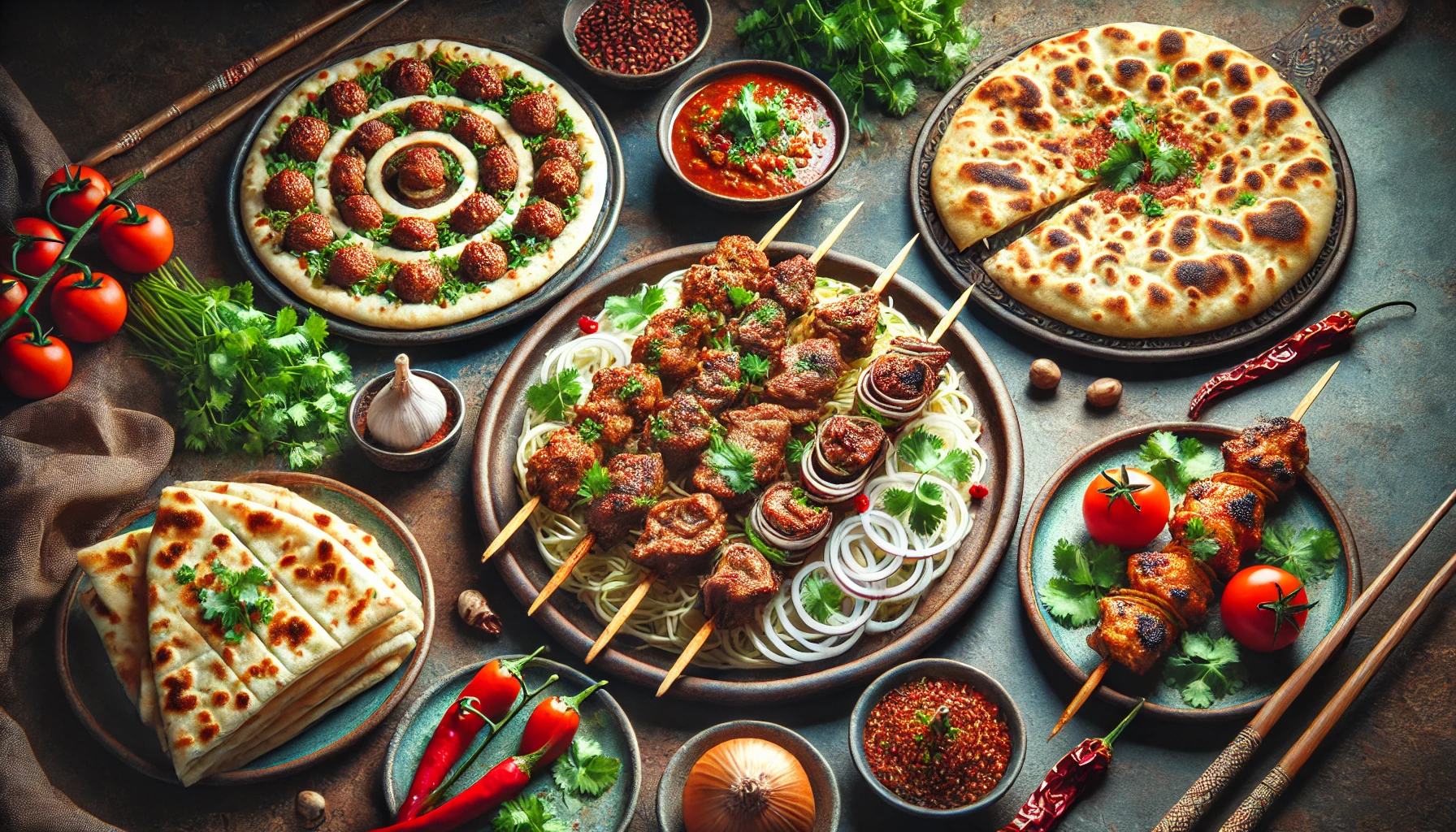
Plenty of great Chinese food sits outside the traditional eight. Xinjiang, in the far northwest, cooks with lamb, cumin, chilli and flatbread, closer to Central Asian food than to anything on the coast. Try lamb skewers, hand-pulled lagman noodles and dapanji (big plate chicken), a spicy chicken and potato braise served over wide noodles.
Chinese Street Food to Try
Street food is where a lot of everyday eating in China happens, and much of it has spread well beyond the country.
- Jianbing: a breakfast crepe cooked on a griddle with egg, spring onion, sauce and a crisp cracker folded inside.
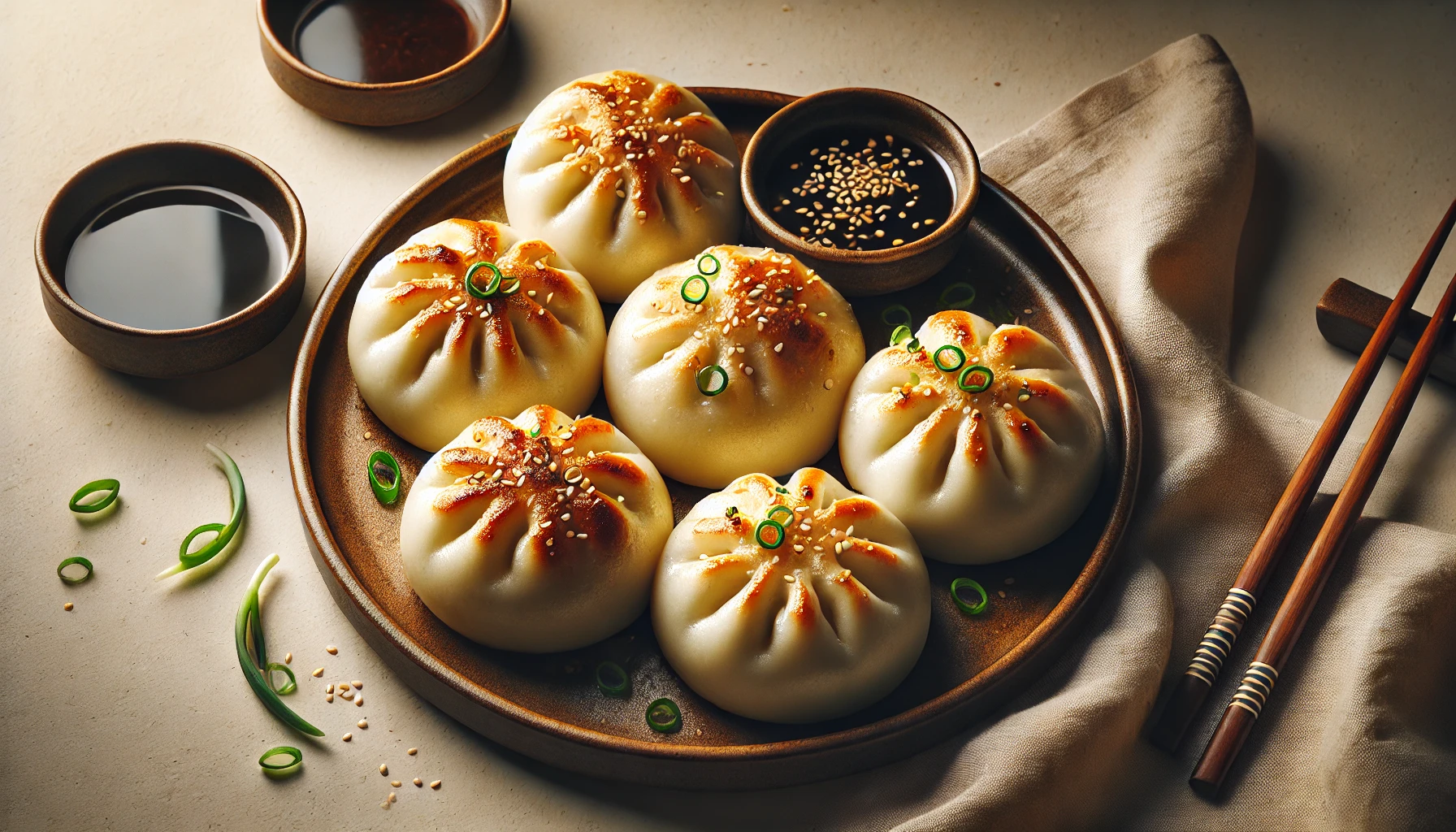
- Baozi: soft steamed buns filled with pork, vegetables or sweet red bean paste.
- Sheng jian bao: pan-fried pork buns from Shanghai, crisp on the bottom with hot broth inside.
- Rou jia mo: flatbread stuffed with chopped braised pork, often called the Chinese burger.
- Chuan’r: small skewers of lamb or chicken grilled with cumin and chilli.
- Tanghulu: hawthorn berries or other fruit on a stick in a hard, glassy sugar coating.
- Stinky tofu: fermented tofu fried crisp and served with chilli sauce. Strong smell, milder taste.
- Cong you bing: flaky spring onion pancakes.
Easy Chinese Recipe: Mapo Tofu
Mapo tofu is a good first Sichuan dish: one pan, about 20 minutes, and ingredients you can find at an Asian grocer. Serves two to three with rice.
Ingredients
- 400g soft or silken-firm tofu, cut into 2cm cubes
- 200g minced pork or beef
- 1 tbsp Sichuan peppercorns
- 2 tbsp chilli bean paste (doubanjiang)
- 1 tbsp soy sauce
- 2 cloves garlic, crushed
- 1 tsp ginger, grated
- 1 cup chicken or vegetable stock
- 1 tbsp cornflour mixed with 2 tbsp water
- 1 tbsp oil
- 2 spring onions, sliced
Method
- Toast the Sichuan peppercorns in a dry pan for a minute or two until fragrant, then grind them.
- Heat the oil in a wok and fry the mince until browned. Push it to one side.
- Add the garlic, ginger and chilli bean paste and fry for 30 seconds until the oil turns red.
- Pour in the stock and soy sauce, add half the ground pepper, then slide in the tofu. Simmer gently for 5 minutes without stirring hard, so the tofu stays whole.
- Stir in the cornflour mix and cook for a minute until the sauce thickens.
- Scatter over the rest of the pepper and the spring onion and serve with rice.
For a vegetarian version, swap the mince for chopped shiitake mushrooms and use vegetable stock. Most chilli bean paste is made with wheat flour and soy sauce usually contains wheat, so use a gluten-free tamari and check the paste label if you need it gluten-free.
Chinese Cookbooks Worth Having
- The Food of Sichuan by Fuchsia Dunlop: the standard English book on Sichuan cooking.
- Every Grain of Rice by Fuchsia Dunlop: simple everyday Chinese home cooking.
- Land of Fish and Rice by Fuchsia Dunlop: the food of Jiangsu and Zhejiang.
- The Breath of a Wok by Grace Young: how to cook with a wok properly.
Chinese Food FAQs
What are the 8 great cuisines of China?
The eight great cuisines are Sichuan, Cantonese, Shandong, Hunan, Jiangsu, Fujian, Zhejiang and Anhui. The grouping is traditional rather than official, and it leaves out well-known regional food from places like Xinjiang, Yunnan and Beijing.
Which Chinese cuisine is the spiciest?
Sichuan and Hunan are the two hot ones. Sichuan pairs chilli with numbing Sichuan pepper, while Hunan uses fresh and pickled chilli and is often hotter in straight heat. Cantonese, Jiangsu and Zhejiang food is mild.
What is the difference between Cantonese and Sichuan food?
Cantonese food is light and fresh, cooked by steaming, roasting and quick stir-frying, with mild sauces. Sichuan food is bold and spicy, built on chilli, Sichuan pepper, garlic and fermented bean paste.
Is Chinese food gluten-free?
Rice, rice noodles and plain steamed dishes usually are, but soy sauce, oyster sauce, hoisin and many bean pastes contain wheat, and dumpling wrappers and most noodles are wheat. If you need gluten-free, ask for tamari and check every sauce.
What is the most popular Chinese dish?
It depends where you are. Outside China, dim sum, fried rice, sweet and sour pork and kung pao chicken are among the most ordered. In China, everyday rice and noodle dishes, dumplings and hot pot are eaten far more than any single restaurant dish.