
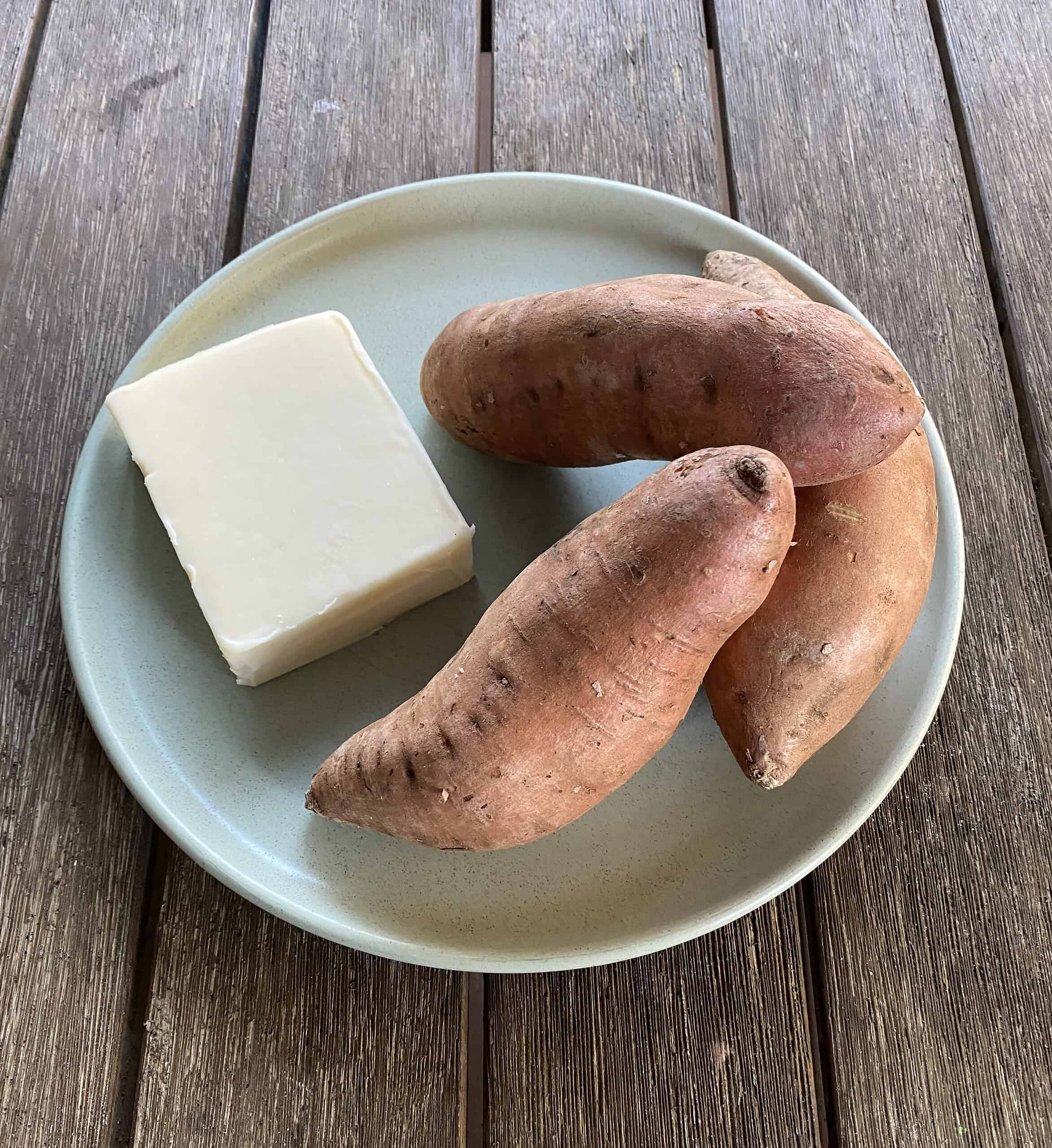
Scrolling through social media this month, it’s nearly impossible to avoid the viral butterkäse sweet potato sensation: a knife slicing open a steaming sweet potato to reveal a solid block of Butterkäse cheese melting into a lava-like pool of creamy richness. This specific “cheese-stuffed sweet potato” hack has taken over feeds, celebrated for its indulgent simplicity. But for anyone who pauses their scroll, the spectacle raises immediate questions. Is this viral butterkäse sweet potato a safe and healthy choice, or a dietary misstep dressed up for the camera?
Here at Cuisine Seeker, we don’t just follow the algorithm—we fact-check it. We’ve built our reputation on digging past the hype to deliver science-backed clarity, from analyzing the safety of 3D-printed meat to debunking the risks of washing salmon before cooking. Now, we’re turning our critical lens to the butterkäse potato phenomenon, separating seductive food styling from nutritional reality and crucial kitchen safety.
In this deep dive, we’ll provide a certified dietitian’s breakdown of exactly what’s in this trending dish, expose a critical—and widely overlooked—food safety hazard hidden in the popular “oven cooling” method, and finally, offer practical, healthier alternatives so you can enjoy the butterkäse sweet potato trend without compromise. Let’s slice into the truth.
Table of Contents
ToggleThe Ingredient Breakdown: What is Butterkäse?
To truly understand the nutritional impact of this viral dish, we must start with its star ingredient. Butterkäse, which translates directly from German as “butter cheese,” offers a significant clue to its character right in its name. This semi-soft cow’s milk cheese originates from Germany and Austria, where it’s prized for its exceptionally mild, buttery flavor and creamy, smooth texture that borders on spreadable when at room temperature.
The magic—and the primary reason it’s chosen for this trend—lies in its melting properties. Unlike some cheeses that become oily or stringy when heated, Butterkäse melts evenly into a supremely creamy, velvety pool. This instant, luxurious melt is what creates the irresistible “cheese lava” effect that makes the viral videos so captivating. It’s a textural experience designed for maximum visual and sensory appeal.
However, that divine creaminess comes at a cost. The key fact that defines Butterkäse from a nutritional standpoint is its fat content. It is typically classified as a high-fat cheese, with its composition often noted as containing approximately 50% fat in dry matter (FDM). This metric, common in cheese labeling, indicates that after removing all the water, half of the remaining solids are pure milk fat.
This high fat content is the engine behind its rich mouthfeel and superb melt, but it also makes Butterkäse a potent source of saturated fat. Understanding this fundamental characteristic is essential as we move to analyze what happens when a sizable block of it meets a starchy sweet potato. Its role transforms from a simple cheese to the primary driver of the dish’s calorie density and nutritional profile.

The Butterkase Sweet Potato: Nutritional Friend or Foe?
On the surface, this viral dish presents a nutritional paradox. It pairs a vegetable celebrated for its health benefits with an ingredient known for its indulgence. To determine whether this trend is a harmonious fusion or a dietary disaster, we need to break it down component by component, weighing the virtues of the sweet potato against the considerable impact of the Butterkäse.
The Sweet Potato Side: A Solo Superstar
When evaluated on its own, the sweet potato is undeniably a nutritional powerhouse. This vibrant root vegetable is an excellent source of beta-carotene, which the body converts to Vitamin A—a nutrient crucial for vision, immune function, and skin health. It’s also rich in dietary fiber, which promotes digestive health and sustained fullness, and potassium, essential for regulating blood pressure and proper muscle function.
As we’ve detailed in our guide, Sweet Potato Weight & Calories, a medium-sized sweet potato provides all these benefits for a relatively low calorie count, making it a nutrient-dense foundation for a balanced meal. In a different culinary context, without its buttery companion, this vegetable would be the uncontested hero of the plate, offering substance, sweetness, and significant nutritional value.
The Cheese Side: The Saturated Fat Tsunami
The nutritional equation shifts dramatically with the addition of Butterkäse. A typical viral recipe calls for one medium sweet potato to be stuffed with a substantial 3 to 4 ounces of cheese. While this creates the iconic “block-to-lava” transformation, it also delivers a shocking payload of saturated fat.
This single serving of Butterkäse can contain over 100% of the American Heart Association’s recommended daily limit for saturated fat (approximately 13 grams per day). Consequently, one trendy lunch or dinner can push you over a critical threshold meant to protect cardiovascular health, before you’ve consumed any other food. The result is a dish where empty calories and harmful fats completely overshadow the sweet potato’s inherent nutritional benefits.
The Dietitian’s Verdict: A Calorie-Dense Occasional Indulgence
The final assessment is clear: the viral Butterkäse-stuffed sweet potato is a calorie-dense nutritional “bomb” best reserved for a very rare treat, not a regular meal. The staggering saturated fat content simply outweighs the benefits of the vegetable beneath it, transforming a potential health food into an indulgence with significant dietary consequences.
If you are craving a delicious, texture-rich treat that satisfies without the heavy health trade-off, consider exploring alternatives like our featured Peach Gum Desserts. These offer a fascinating, collagen-boosting texture and natural sweetness without the saturated fat spike, aligning indulgence with mindful nourishment.
The Hidden Danger: “Fried Rice Syndrome” and the “Slow Cool” Method
Beyond the nutritional concerns lies a more urgent and hidden danger that most viral videos conveniently ignore. Many creators suggest a “slow cool” or “sweating” method: baking the potato, turning the oven off, and leaving it inside for hours to achieve an ultra-soft texture. This practice isn’t just a quirky cooking tip; it’s a direct invitation to a serious form of food poisoning often nicknamed “Fried Rice Syndrome.” Understanding this risk is crucial because it turns a trendy meal into a potential vehicle for a toxin that reheating cannot fix.
The Science of the Hazard: Bacillus cereus
The danger stems from a bacterium commonly found in soil and on raw vegetables: Bacillus cereus. Starchy foods like rice, pasta, and potatoes are particularly susceptible because they provide an ideal environment for these bacteria to grow. When a cooked potato is left at a warm, non-refrigerated temperature, any B. cereus spores present can survive the initial baking and then germinate, multiplying rapidly.
This bacterial growth becomes hazardous as the microbes produce toxins. The critical point that social media hacks fail to mention is that one of these toxins, which causes vomiting, is heat-stable. This means that even if you reheat the potato to a steaming hot temperature later—even to 165°F (74°C) or beyond—you may kill the bacteria, but you will not destroy the toxin they have already produced. Consuming the potato means consuming that active toxin, leading to illness.
The Danger Zone and the Non-Negotiable Clock
The entire hazard occurs within what food safety experts call the “Temperature Danger Zone,” which is between 40°F (4°C) and 140°F (60°C). In this range, bacteria like B. cereus multiply most rapidly. The universal food safety rule is that perishable foods must not remain in this zone for more than two hours (or one hour if the ambient temperature is above 90°F/32°C). A potato sitting in a cooling oven is cruising directly through the heart of this danger zone for an extended, unmonitored period, creating a perfect storm for toxin production.
Cuisine Seeker’s Safety Rule
Our rule is simple and non-negotiable: Never leave a baked potato (or any perishable food) in a cooling oven for more than 1 hour. To guarantee safety, treat it like any other cooked food: if you are not eating it immediately, let it cool to a safe handling temperature and then refrigerate it promptly. This principle of respecting the clock is as vital with starchy sides as it is with proteins; just as we advise precise temperatures for safety in our guide on Safe Hot Dog Temperatures, we must also adhere to strict timelines. When it comes to preventing foodborne illness, time is just as critical as temperature.
A Healthier Butterkase Sweet Potato (The Cuisine Seeker “Lite” Edit)
The Smart Cheese Swap
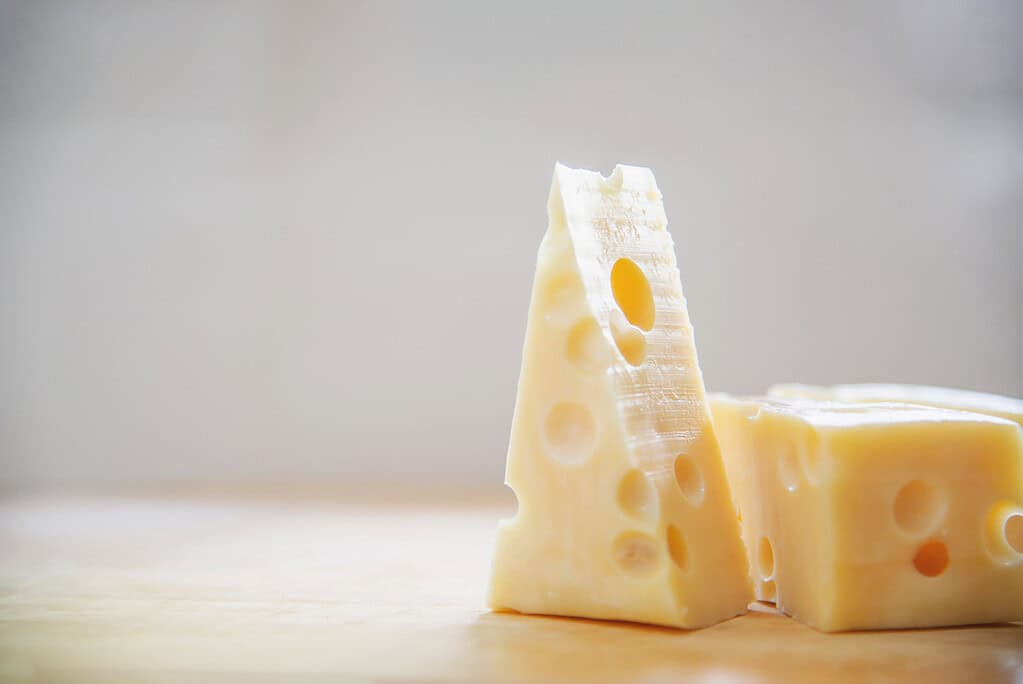
The most impactful change you can make is to reconsider the cheese. Instead of high-fat Butterkäse, opt for cheeses that offer excellent melt with a better nutritional profile. Part-skim mozzarella or provolone provide that coveted stretch and creaminess with significantly less saturated fat per ounce. For a sharper flavor that allows you to use less, a sprinkle of strong aged cheddar or Parmesan can be incredibly effective. This single swap dramatically reduces the saturated fat “tsunami,” transforming the dish from an indulgence into a more balanced meal component.
Add Volume, Texture, and Nutrients
Before adding any cheese, use the sweet potato’s hollow as a vessel for extra vegetables. Sautéing a big handful of spinach, kale, or Swiss chard until wilted adds volume, fiber, and a host of vitamins and minerals without many calories. For added texture and protein, consider mixing in black beans, lentils, or seasoned ground turkey. These additions not only boost the nutritional value but also create a more satisfying and complete meal, helping you feel full and energized rather than just heavy.
Balance the Entire Plate
If you’re enjoying this as a hearty main, balance is key. Pair your “Lite” stuffed potato with a large, refreshing side salad or a portion of simply steamed vegetables to increase meal volume and nutrient diversity without excessive calories. Furthermore, consider skipping a dense dessert afterward. Instead, opt for a light, hydrating fruit to cleanse the palate. For a perfect seasonal finish, explore our guide on Watermelon Colors, which details how to pick a perfectly sweet, juicy melon for a dessert that feels satisfying and refreshing without undoing the benefits of your healthier meal.

The Psychology Behind the Craze
The magnetic pull of videos like the Butterkäse potato isn’t just about food; it’s a powerful neurological event. Our brains are hardwired to find high-fat, high-carb combinations intensely rewarding. This “perfect storm” of nutrients signals a dense source of energy, which was evolutionarily advantageous for survival. In the modern world, this primal wiring is hijacked by stress and the endless scroll of social media, creating a potent cycle of craving and temporary relief.
When we’re stressed, our bodies release the hormone cortisol, which can directly trigger cravings for these exact kinds of calorie-dense, comforting foods. Your body, stuck in a perceived “survival mode,” seeks quick fuel to face a threat—even if that threat is an inbox full of emails. This is why we often find ourselves “doom-scrolling” through food videos late at night; the visual stimulation of melty cheese and steaming carbs offers a temporary neurological distraction and a promise of solace, creating a cognitive loop where stress fuels the craving, and the craving promises (but rarely delivers) relief from the stress.
Breaking this cycle requires addressing the root cause, not just the symptom. Food can soothe in the moment, but it doesn’t resolve the underlying stress or emotional patterns. That’s why we’ve partnered with MindShift Mentors. They specialize in helping people break these exact cognitive loops using evidence-based techniques to lower your overall stress baseline. Their free introductory session focuses on building awareness and tools for mindful eating, helping you step out of the stress-craving cycle and rebuild a more intentional, joyful relationship with food.
> Ready to break the cycle? Access the Free MindShift Session Here.
FAQs
1. Is it safe to eat a whole block of Butterkäse cheese in one sitting?
From a food safety perspective, yes, the cheese itself is safe if properly stored. However, from a nutritional standpoint, consuming 3-4 ounces in one sitting provides over a full day’s worth of recommended saturated fat, which is not advisable for heart health when done regularly.
2. What is “Fried Rice Syndrome” and how does it relate to this recipe?
“Fried Rice Syndrome” refers to food poisoning caused by Bacillus cereus toxins, which commonly grow in starchy foods left at room temperature. The viral “slow cool” method for this potato creates the perfect environment for this bacteria, making the dish potentially dangerous.
3. Can I just reheat the potato the next day to kill any bacteria?
No, and this is the critical danger. The toxins produced by Bacillus cereus are heat-stable. While reheating may kill active bacteria, it will not destroy the toxin that makes you sick, which is why proper and prompt refrigeration is non-negotiable.
4. What’s a healthier cheese I can use for this trend?
For a similar melty effect with less saturated fat, opt for part-skim mozzarella, provolone, or even a small amount of a strong-flavored cheese like feta or goat cheese. This reduces the fat content while maintaining creaminess.
5. Why do I crave these rich, viral food trends when I’m stressed?
Stress triggers the release of cortisol, a hormone that can signal your body to seek high-calorie, fatty foods for quick energy—a primal “survival” response. Mindlessly watching food videos can intensify this cognitive loop of stress and craving.
Conclusion
The viral Butterkäse-stuffed sweet potato is a fascinating case study in modern food culture: a visually stunning creation where indulgence collides with significant nutritional and safety concerns. While the sweet potato base is a powerhouse of nutrients, it is utterly eclipsed by a staggering payload of saturated fat from the cheese, and the popular “slow cool” method introduces a serious, overlooked risk of foodborne illness. This trend serves as a potent reminder that what captivates us online often requires a critical, informed filter before it enters our kitchens.
You can still enjoy the spirit of this trend without the downsides. By opting for smarter cheese swaps, adding volume with vegetables, and adhering to strict food safety timing, you create a satisfying and safer meal. More importantly, understanding the psychological pull of such rich, comforting foods can empower you to break the cycle of stress-driven cravings. For true, lasting change, consider addressing the root cause.
> Start by exploring mindful strategies with our partners: Access the Free MindShift Session Here.