
A Step-by-Step Guide to Backyard Gardening
Backyard gardening is a rewarding hobby that involves cultivating plants in your own backyard. This practice offers numerous benefits, from fresh, organic produce to improved mental health as they say “you are what you eat”. In this guide, we’ll explore various backyard gardening ideas and discuss the benefits of backyard gardening in the US. We’ll also provide tips on choosing the right backyard gardening plants for your specific climate and soil conditions.
Are you ready to transform your backyard into a thriving oasis? Whether you’re a seasoned gardener or starting a vegan life, this comprehensive guide will help you get started. Discover the joys of growing your own food, beautifying your outdoor space, and connecting with nature. Let’s embark on this gardening journey together!
Small Home Veggie Garden
Urban vegetable gardening has become increasingly popular in 2024, especially among those living in units or small homes. With 35% of U.S. households now growing their own vegetables, fruits, and other food, the trend is driven by a desire for fresh produce, sustainability, and reconnecting with nature.Many urban gardeners are turning to innovative solutions like vertical gardens, rooftop plots, and community gardens to maximize limited space. These gardens not only provide nutritious food but also offer mental health benefits, reduce food waste, and promote environmental sustainability.
In fact, urban gardens can absorb up to 40% of CO2 emissions in cities, making them a valuable tool in the fight against climate change. As more people embrace this trend, urban gardening is transforming concrete jungles into green havens, fostering community engagement and improving overall well-being.
Right Amount of Sunlight Needed
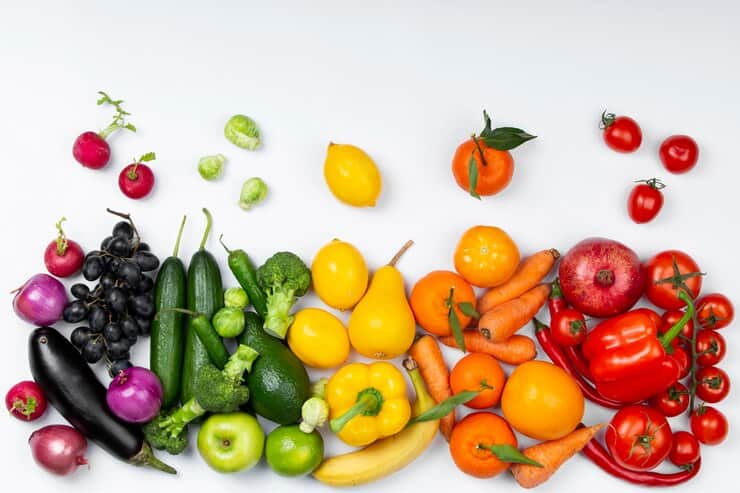
To ensure optimal growth and yield in a vegetable garden, it's crucial to provide the right amount of sunlight and temperature. Most vegetables thrive with 6-8 hours of direct sunlight per day. This ensures they receive enough energy for photosynthesis, which is essential for healthy growth and fruit production.Research indicates that a south-facing orientation is ideal, as it allows for maximum sun exposure throughout the day. Additionally, maintaining a temperature range of 18-24°C (65-75°F) is optimal for most vegetables, as extreme temperatures can hinder growth and productivity.
Studies have shown that consistent sunlight and moderate temperatures significantly improve plant health and yield. By carefully managing these factors, gardeners can create a thriving and productive garden.
Automated Watering Systems
You can definitely have automated watering systems for your veggie garden, even if you live in a unit or small home! There are several innovative options available to make watering your plants easier and more efficient.Drip irrigation systems are particularly popular, as they deliver water directly to the plant’s roots, minimizing water waste and ensuring that plants receive the right amount of moisture.
Another great option is self-watering planters, which have built-in reservoirs that provide a steady supply of water to the plants.
For those who prefer a more high-tech solution, there are smart plant watering systems like the Kollea Automatic Watering System, which can be controlled via a smartphone app to schedule watering times and monitor soil moisture levels.
These systems not only save time but also help maintain optimal growing conditions for your plants, ensuring a healthy and productive garden.
Fertilizers You Need
Choosing the right fertilizer for your vegetable garden depends on the specific needs of the plants you're growing.For leafy greens like lettuce, spinach, and kale, a fertilizer high in nitrogen is essential for promoting healthy foliage. Alaska Fish Emulsion with a 5-1-1 NPK ratio is a great option for these plants.
For fruiting vegetables such as tomatoes, peppers, and cucumbers, a balanced fertilizer with higher phosphorus and potassium levels is ideal to support blooming and fruit development.
Espoma Garden-Tone and FoxFarm Grow Big are excellent choices for these crops. Additionally, organic options like Dr. Earth Organic Tomato, Vegetable & Herb Fertilizer provide a slow-release of nutrients, ensuring long-term plant health.
Always remember to test your soil to tailor the fertilizer choice to your garden’s specific needs.
Are they pet friendly?
When it comes to fertilizers, it's important to choose pet-friendly options to ensure the safety of your furry friends. Conventional fertilizers often contain harmful chemicals like nitrates, phosphates, and herbicides, which can cause gastrointestinal distress, vomiting, and even seizures in pets if ingested.On the other hand, pet-friendly fertilizers are made from natural, non-toxic ingredients that are safer for animals. Brands like Scotts Natural Lawn Food and Sunday Lawn Care offer pet-safe options that nourish your lawn without posing a risk to your pets. Always read labels carefully and follow application instructions to minimize any potential risks.
Type Of Soil For Every Plant Type
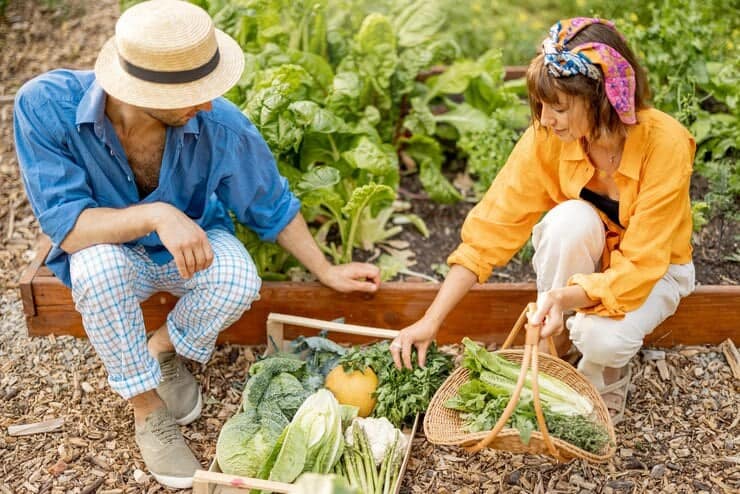
The type of soil required for optimal plant growth varies significantly depending on the plant species.- Loamy soil, which is a balanced mixture of sand, silt, and clay, is often considered the best for most garden plants due to its excellent drainage, nutrient retention, and aeration properties.
- Sandy soil, on the other hand, has larger particles and drains quickly, making it suitable for plants that prefer drier conditions, such as cacti and succulents.
- Clay soil has fine particles and retains water well, but it can become compacted, making it harder for roots to grow; it's better suited for moisture-loving plants like willows and irises.
- Peaty soil is rich in organic matter and retains moisture, ideal for acid-loving plants like blueberries and camellias.
- Chalky soil has a high pH and is well-drained, suitable for plants like lavender and rosemary that thrive in alkaline conditions.
The Easiest Vegetables to Grow
Here is a list of some of the easiest vegetables to grow, along with their approximate growing times:- Radishes: Fast-growing and easy to cultivate, radishes can be ready to harvest in as little as 20-30 days from sowing.
- Lettuce: A quick grower, lettuce varieties like leaf lettuce can be harvested in about 30-45 days.
- Spinach: Another fast-growing leafy green, spinach can be ready to pick in 35-45 days.
- Green Beans: These can start producing beans in about 50-60 days after planting.
- Carrots: While they take a bit longer than some of the others, baby carrots can be harvested in 50-60 days, with full-sized carrots ready in about 70-80 days.
- Peas: Peas are relatively easy to grow and can be ready for harvest in 60-70 days.
- Cucumbers: Quick to grow and prolific producers, cucumbers can be ready in about 50-70 days from planting.
- Beets: Both the roots and leaves are edible, with roots ready to harvest in about 50-70 days.
- Zucchini: Fast-growing and productive, zucchini can be ready in about 40-50 days.
- Tomatoes: While they take a bit longer, cherry tomatoes can start producing fruit in about 60-70 days, and larger varieties take around 70-85 days.
Benefits of Growing Vegetables at Home
Growing vegetables at home offers numerous benefits, both for individuals and the environment. This trend is driven by the desire for fresh, nutritious produce and the satisfaction of self-sufficiency. Home gardening not only provides access to healthier food options but also helps reduce grocery bills significantly.Additionally, gardening is known to improve mental well-being, offering a therapeutic escape from daily stress. Environmentally, it contributes to sustainability by reducing the carbon footprint associated with transporting store-bought produce and promoting organic gardening practices. Overall, home vegetable gardening is a rewarding activity that enhances health, saves money, and supports environmental conservation.
Benefits of a Raised Garden Bed
Raised garden beds offer numerous benefits, making them a popular choice for many gardeners in 2024. According to recent statistics, 30.7% of gardeners now use raised beds, drawn to their superior soil control and healthier harvests. These beds allow for better soil management, enabling gardeners to create a nutrient-rich environment tailored to their plants' needs.Additionally, raised beds promote better drainage and aeration, leading to healthier plants and increased yields. They also make gardening more accessible, especially for those with mobility issues, and can be aesthetically pleasing, adding a decorative element to any garden. With the growing trend towards sustainable and efficient gardening practices, raised garden beds are becoming an essential tool for both novice and experienced gardeners alike.
Plant Selections To Keep Bugs Away
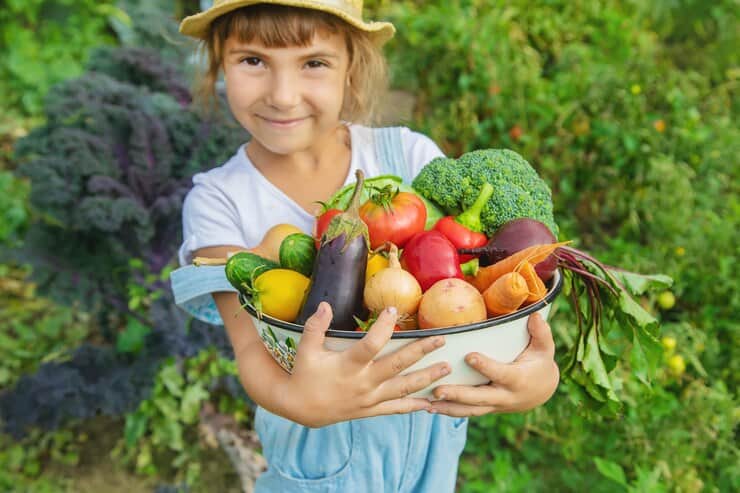
Here's a list of plants that can help protect each other by keeping pests away:- Tomatoes and Basil: Tomatoes attract beneficial insects that prey on pests. Basi repels aphids, whiteflies, and mosquitoes, improving the growth and flavor of tomatoes.
- Carrots and Onions: Carrots attract beneficial insects like ladybugs, which feed on aphids. Onions repel carrot flies and other pests that could harm carrots.
- Cucumbers and Nasturtiums: Cucumbers provide shade and support. Nasturtiums repel cucumber beetles and attract aphids away from cucumbers.
- Cabbage and Dill: Cabbage benefit from the shade provided by dill. Dill attracts beneficial insects like wasps, which prey on cabbage worms.
- Radishes and Spinach: Radishes act as a trap crop, luring pests away from spinach. Spinach benefits from the soil disturbance caused by the radishes’ quick growth.
- Beans and Marigolds: Beans fix nitrogen in the soil, benefiting marigolds. Marigolds repel nematodes and bean beetles.
- Lettuce and Chives: Lettuce enjoys partial shade provided by chives. Chives repel aphids and improve the flavor of lettuce.
- Peppers and Oregano: Peppers get enhanced flavor when planted near oregano. Oregano provides ground cover that deters pests like aphids and spider mites.
When do you need to stake your plants?
Staking is essential for many garden plants to ensure they grow upright and produce healthy yields. For vegetables such as tomatoes, peppers, and beans, it’s best to stake them early in their growth, ideally when transplanting them into the garden or when seedlings reach a few inches in height. This preemptive staking prevents damage to the roots and stems that could occur if you wait until the plants are larger and already leaning or sprawling.For example, tomato plants benefit from staking as they can grow quite tall and heavy with fruit, which makes them prone to falling over or breaking.
Peas and cucumbers also benefit from staking or trellising to keep their vines off the ground, reducing the risk of disease and making harvesting easier. Using stakes, cages, or trellises helps provide support, improves air circulation, reduces the risk of disease, and ensures better exposure to sunlight, all contributing to healthier and more productive plants.
Final Thoughts
Growing your own vegetables, whether in a small home or unit, can be incredibly rewarding. It's a wonderful way to ensure access to fresh, nutritious produce, contribute to sustainability, and even improve mental well-being. With the right setup, such as sufficient sunlight, appropriate fertilizers, and perhaps even an automated watering system, you can create a thriving garden. Using raised garden beds can enhance your gardening experience by improving soil quality and making your vegan garden more accessible.Remember that companion planting can help manage pests naturally, and staking your plants early can prevent damage and ensure healthier growth. By understanding your plants’ specific needs, from soil type to sun exposure, you can enjoy a productive and fulfilling gardening experience.
Happy gardening! 🌱🍅🥒
FAQs
What is backyard gardening?
Backyard gardening is the practice of cultivating plants, typically fruits, vegetables, and herbs, in one's own backyard. It involves various activities like soil preparation, planting seeds or seedlings, watering, fertilizing, and pest control.What are the benefits of backyard gardening?
Backyard gardening offers numerous benefits, including access to fresh, organic produce, improved physical and mental health, cost savings on groceries, reduced food waste, and environmental sustainability. It can also foster a sense of community and connection to nature.Why is it important to have a backyard vegetable garden?
Having a backyard vegetable garden is important for several reasons. It allows you to control the quality and origin of your food, ensuring it's free from harmful pesticides and chemicals. It can also reduce your carbon footprint by decreasing the need for transportation of food. Additionally, gardening can provide a sense of accomplishment and relaxation.How do I prepare my backyard for a garden?
To prepare your backyard for a garden, start by selecting a sunny spot with well-draining soil. Remove any weeds, rocks, or debris from the area. Test the soil's pH and nutrient content, and amend it with compost or other organic matter if necessary. Create raised beds or till the soil to a depth of 8-10 inches. Finally, plan your garden layout, considering factors like sunlight exposure, plant compatibility, and your family's preferences.Choosing the Site and Planning the Layout
Almost every struggling vegetable garden is struggling because of where it is rather than what is in it. Sort the site out first, because it is the one decision you cannot fix later with fertiliser.
Site selection. Most vegetables want six to eight hours of direct sun a day, so watch the space across a full day before committing. You also want drainage, so avoid the low corner where water sits after rain, and you want it close to a tap. A bed you have to carry water to is a bed you will stop watering.
Layout. Run beds so that tall plants sit on the northern side in the southern hemisphere, and the southern side in the northern hemisphere, so corn, beans and staked tomatoes do not shade everything behind them. Keep any bed you can reach from both sides to about 1.2 metres wide, or 60cm if it is against a fence, so you never have to stand on the soil. Leave paths wide enough for a wheelbarrow.
Preparing the ground. Clear weeds, rocks and debris. Test the pH and nutrient levels, and work compost or other organic matter through if the soil is poor. Either build raised beds or dig the soil over to a depth of 20 to 25cm.
Container Gardening When You Have No Yard
A balcony, a courtyard or a sunny step will grow a surprising amount, and the constraints are different rather than worse.
Depth is what limits you. Salad leaves, radishes and most herbs are happy in 15 to 20cm. Bush beans, capsicum and dwarf tomatoes want 30cm. Carrots, potatoes and full-size tomatoes need 40cm or more. Every pot needs drainage holes, and every pot needs potting mix rather than garden soil, which compacts into a solid block in a container.
The trade-off is water. Containers dry out far faster than beds, especially terracotta and especially in wind, so in summer they can need watering twice a day. They also run out of nutrients faster, because every watering flushes some out, so they need feeding through the season in a way an established bed does not.
Scaling Up to a Larger Plot
Past about twenty square metres, the job changes from gardening to managing a small system, and three things start to matter that did not before.
- Crop rotation. Stop planting the same family in the same bed year after year. Rotating brassicas, legumes, root crops and fruiting crops around the beds breaks pest and disease cycles and evens out what each crop takes from the soil.
- Succession planting. Sowing a short row of fast crops every two or three weeks beats sowing the whole packet at once and facing forty lettuces in the same fortnight.
- Irrigation. Hand watering stops being realistic. Drip lines or soaker hoses on a timer use less water than a sprinkler and keep the leaves dry, which reduces fungal problems.