
Does Caffeine Make Hot Flashes Worse?
The short answer
For some women, yes. Caffeine is one of the most commonly reported hot flash triggers, and survey research has linked higher caffeine intake to more bothersome vasomotor symptoms. It does not affect everyone the same way, and plenty of women drink coffee through menopause with no change at all. The only way to know is to test it on yourself for two weeks.
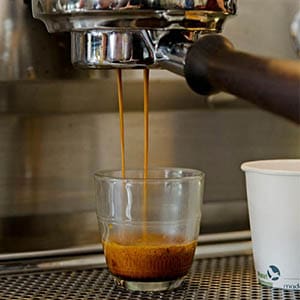
Caffeine comes up in almost every conversation about hot flash triggers, usually right alongside red wine and chilli. It has earned the mention. It is also the trigger women give up first and resent most, often before checking whether it was doing anything at all.
What does the research actually say?
A survey study from the Mayo Clinic Center for Women’s Health, published in the journal Menopause, looked at caffeine intake and menopausal symptoms in several hundred women. Among postmenopausal women, caffeine use was associated with more bothersome hot flashes and night sweats. Among perimenopausal women, the picture was less clear, and caffeine was associated with better mood and memory scores rather than worse symptoms.
That is an association drawn from what women reported, not proof that caffeine causes a flash. It is worth knowing both halves. A study that finds a link in one group and not another is telling you the effect is real for some people and absent for others, which is exactly what women describe.
Why would caffeine set off a hot flash?
A hot flash is a temperature-regulation event. As oestrogen levels fall, the range of body temperature the brain treats as comfortable gets narrower, so a smaller change is enough to trigger the flush, the sweat and the heart rate spike that follow.
Caffeine is a stimulant. It raises heart rate, nudges body temperature and stimulates the nervous system. If your comfortable range has already narrowed, a stimulant is a plausible nudge over the edge. That is the mechanism, and it explains why the same flat white that did nothing at 40 may not feel the same at 50.
Does the timing matter more than the amount?
Often, yes. Caffeine has a half-life of roughly five to six hours in most adults, which means a 3pm coffee still has half its caffeine working at 9pm, and a quarter of it at 2am. Night sweats and disrupted sleep sit close together, and caffeine late in the day can feed both.
Many women find the afternoon cup is the one worth moving, rather than the morning one. It is a much smaller sacrifice than quitting, and it is the change most likely to show up in how you sleep.
How do you test caffeine properly?
Two weeks, not two days. Symptoms vary week to week on their own, so a short test tells you almost nothing.
- Track first, change nothing. For one week, note what you drink and when, and roughly how many flashes you get and how bothersome they are. A note on your phone is plenty.
- Halve it, do not quit it. Cut to one caffeinated drink a day, in the morning. Going from four to zero brings withdrawal headaches that muddy the result.
- Hold for a week and compare. Look at the same two measures.
- Put it back and watch. This is the step most women skip, and it is the one that proves it. If symptoms climb again, caffeine is a trigger for you. If nothing moves, it was not, and you can stop policing it.
What about decaf, tea and chocolate?
Decaf is not caffeine free, but it is close: usually a few milligrams a cup against roughly 95 in brewed coffee. For most women testing a trigger, that difference is small enough not to matter.
Black tea and green tea carry meaningfully less caffeine than coffee, and green tea less than black. Herbal teas such as peppermint, rooibos and chamomile carry none. Dark chocolate has some, and a large serve of it in the evening is worth counting if you are being strict about the test.
Is it the caffeine or the hot drink?
Worth separating, because they get blamed together. A hot drink of any kind raises your core temperature slightly, and for a woman whose comfortable range has narrowed, that alone can be enough.
If your morning coffee reliably brings a flash but an afternoon cold brew does not, temperature is doing more of the work than caffeine. Try the same drink iced for a week before you write coffee off entirely.
Does giving up caffeine help with anything else?
The most common report is better sleep, and that is not a small thing during menopause. Broken sleep makes everything else in the day harder to handle, and the tiredness that follows a bad night is often what makes a hot flash feel unmanageable rather than merely annoying.
That is also the honest limit of a dietary change. Cutting the afternoon coffee may help you get to sleep. It does nothing about a mind that starts running the moment the light goes off, which is the part most women describe as the harder half.
Common questions
How much caffeine is too much during menopause?
There is no menopause-specific limit. General guidance for healthy adults sits around 400mg a day, roughly four cups of brewed coffee. If you are using caffeine to get through the afternoon because you slept badly, the amount is less useful to look at than the cycle it is feeding.
Can caffeine cause night sweats?
Late-day caffeine can disrupt sleep, and disrupted sleep and night sweats often show up together. Whether caffeine triggers the sweat itself or simply has you awake to notice it is hard to separate, which is a good reason to move the afternoon cup and see.
Will quitting coffee stop my hot flashes?
No single change reliably does that, and anyone promising it is overselling. Many women find cutting back reduces how often flashes hit or how much they bother them. Others notice nothing. Both results are normal and worth knowing about yourself.
Does caffeine affect bone health after menopause?
Very high caffeine intake has been linked to slightly increased calcium loss, which matters more after menopause when bone density is already falling. At ordinary intakes the effect is small, and it is easily offset by adequate calcium in the diet. If bone density is a specific concern for you, that is a conversation with your doctor.
Is green tea a good swap?
It is a reasonable one. Less caffeine than coffee, and it is a warm drink with a ritual attached, which is often what people actually miss. If hot drinks themselves are a trigger, iced green tea does the same job.
What should I try if caffeine turns out not to be the trigger?
Work through the others one at a time rather than cutting everything at once. Alcohol, spicy food and sugar are the usual suspects, and the same two-week test works for each. Registered Nutritionist Trish Tucker-May is the author of Nourish Your Gut For A Positive Menopause.
Where this leaves you
Caffeine is worth testing and not worth fearing. Two weeks of honest tracking will tell you more than any list of trigger foods, because the list is general and you are not.
For the other food questions that come up through menopause, the menopause and food guide answers them one at a time.
Menopause symptoms are worth raising with your doctor, particularly if they are affecting your sleep, your mood or your ability to get through a working day. Nothing here is a substitute for that conversation.
Keep reading: Meet Trish Tucker-May Menopause and food, answered question by question