How Much Calcium Do You Need After Menopause?
The short answer
Around 1,200 to 1,300mg a day. US guidelines set 1,200mg for women over 50, and Australian and New Zealand guidelines set 1,300mg. That is about four serves of calcium-rich food a day, plus the smaller amounts in everything else you eat. Food is the preferred source, with a supplement to fill a real gap rather than as a default, and vitamin D matters as much as the calcium itself.
Calcium gets less attention in the menopause conversation than hot flashes and sleep, mostly because it causes no symptoms. That is exactly the problem with it. Bone loss is silent until something breaks.
Why does calcium matter more after menopause?
Oestrogen helps regulate how quickly bone is broken down and rebuilt. As it falls, breakdown starts to outpace rebuilding, and bone loss speeds up noticeably in the years either side of the final period. It then continues at a slower rate for the rest of life.
Calcium is the main mineral bone is made from. Getting enough does not stop that loss on its own, but falling short gives the body less to work with, and it will take calcium from bone to keep blood levels steady when intake runs low.
How much do the guidelines recommend?
| Guideline | Women 51 to 70 | Women over 70 |
|---|---|---|
| United States (NIH, National Academies) | 1,200mg a day | 1,200mg a day |
| Australia and New Zealand (NHMRC) | 1,300mg a day | 1,300mg a day |
The difference between the two is small and comes down to how each body read the same research. Either figure is a sensible target. Most women do not reach it: dietary surveys in both countries find a large share of women over 50 fall short.
What does 1,200mg look like in food?
About four good serves a day, with the rest coming from smaller amounts across the day. Amounts vary by brand, so check the label, but typical figures are:
| Food | Serve | Calcium, roughly |
|---|---|---|
| Milk | 250ml glass | about 250 to 300mg |
| Plain yoghurt | 200g tub | about 250 to 400mg |
| Hard cheese such as cheddar | Two slices | about 250mg |
| Canned sardines, with the bones | 60g | about 250mg |
| Canned salmon, with the bones | Half a cup | about 250mg |
| Tofu set with calcium | 100g | 150 to 350mg, check the label |
| Calcium-fortified plant milk | 250ml | around 300mg if fortified |
| Almonds | 30g handful | around 75mg |
| Cooked broccoli or bok choy | 1 cup | 60 to 160mg |
| Cottage cheese | 100g | around 80mg |
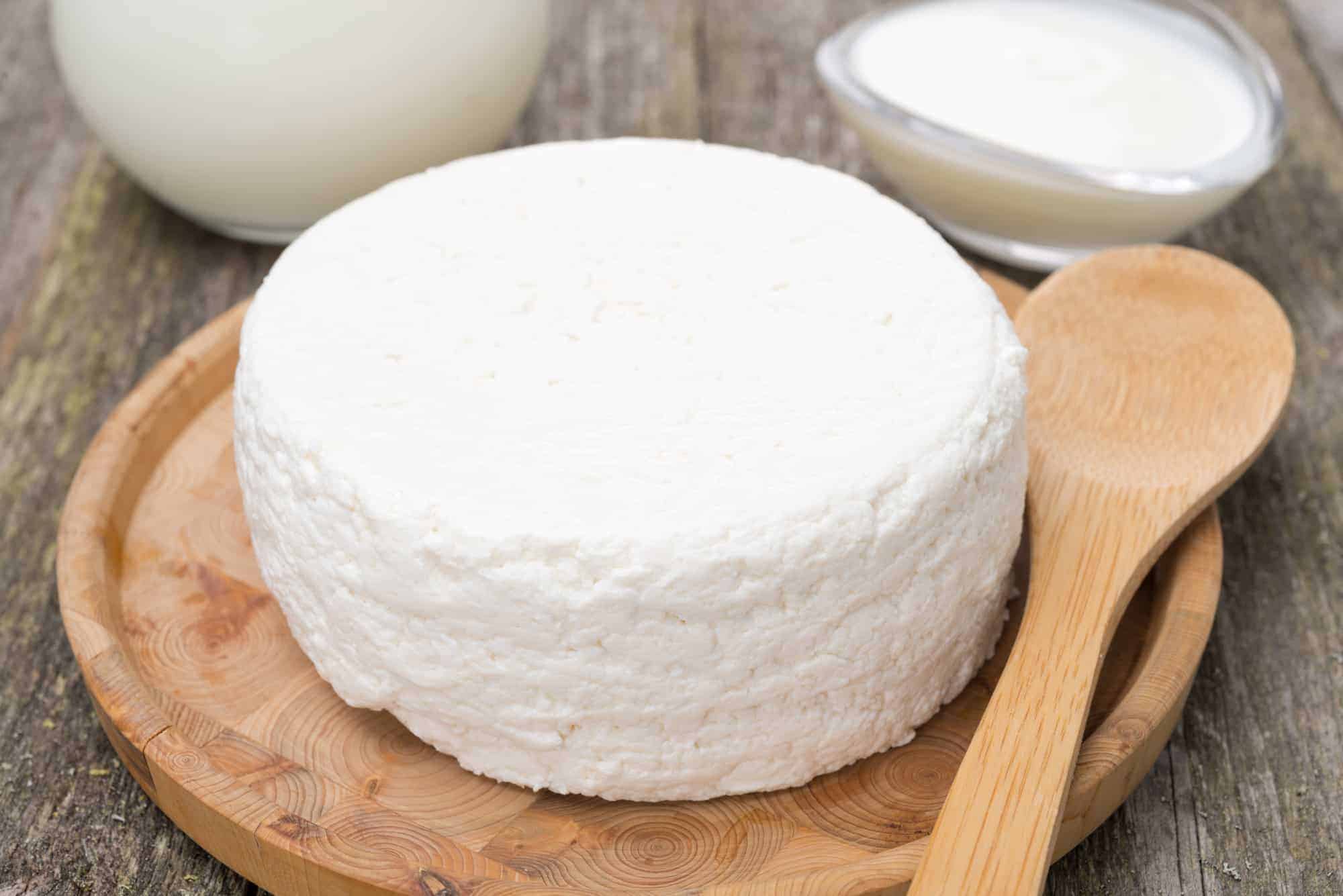
Two things in that table surprise people. Cottage cheese, the one in the photo above, is one of the weaker dairy sources, because much of the calcium drains away with the whey. And the bones in canned fish are where most of its calcium sits, so mash them in rather than picking them out.
Can you get enough without dairy?
Yes, with more planning. Fortified plant milks, calcium-set tofu, canned fish with bones, tahini, almonds and leafy greens such as bok choy and kale all contribute. Check that a plant milk says calcium-fortified on the label, because many do not, and shake the carton, as the calcium settles at the bottom.
Spinach is often listed as a calcium source and is a poor one in practice. It carries oxalate, which binds most of its calcium so the body absorbs very little of it.
If dairy has started to disagree with you, that is common through these years and is covered in whether dairy makes menopause symptoms worse. Lactose-free milk and hard cheeses, which carry very little lactose, keep the calcium without the trouble for many women.
Why does vitamin D matter as much?
Because without it you absorb far less of the calcium you eat. Most vitamin D comes from sun on skin rather than food, which is why levels often fall in winter and in women who cover up or spend most of the day indoors.
US guidelines recommend 600 IU a day up to age 70 and 800 IU over 70. Food sources are limited: oily fish, eggs, and some fortified foods. A blood test is the only reliable way to know your level, and it is a reasonable thing to ask your doctor for, particularly after a long winter.
Should you take a calcium supplement?
Food is the preferred source, and most guidelines now say so directly. A supplement makes sense when your diet genuinely cannot reach the target, and the aim is to fill the gap rather than take the full amount on top of what you already eat.
A few practical points if you do:
- Smaller doses absorb better. The body takes up calcium most efficiently at around 500mg or less at a time, so split a larger dose across the day.
- The form matters. Calcium carbonate is cheaper and absorbs best with food. Calcium citrate absorbs with or without food and suits women on reflux medication.
- More is not better. Some research has raised questions about high-dose supplements and heart health. The evidence is mixed and the question is not settled, which is part of why food first is the standard advice.
- Check interactions. Calcium can interfere with the absorption of some medications, including thyroid medication and certain antibiotics. Your pharmacist can advise on timing.
What else affects your bones?
Calcium is one part of it. Protein matters for bone and muscle alike. Weight-bearing and resistance exercise send the signal that keeps bone strong, and the evidence behind it is solid. Heavy drinking and smoking both speed up bone loss, and very high caffeine and salt intakes increase the calcium lost in urine, though at ordinary amounts the effect is small.
Common questions
How much calcium does a woman over 50 need a day?
1,200mg a day under US guidelines and 1,300mg under Australian and New Zealand guidelines. Either is a sensible target.
Can you have too much calcium?
Yes. The upper limit for women over 50 is 2,000mg a day from all sources combined. It is hard to reach from food alone and easier to reach when supplements are stacked on top of a good diet, which is one reason to count what you eat before adding one.
Does calcium help with hot flashes?
No. Calcium is about bone health, not symptoms. For foods linked to hot flashes, see which foods trigger hot flashes.
Is calcium from food better than supplements?
Food is the preferred source in most guidelines. It comes with protein and other nutrients bone needs, and it has not raised the questions some high-dose supplements have.
Do I need a bone density scan?
That is a conversation for your doctor, based on your age, family history and other risk factors. It is worth raising at menopause rather than waiting.
Does menopause cause osteoporosis?
It raises the risk, because bone loss speeds up as oestrogen falls. Not every woman develops osteoporosis, and diet, exercise and medical advice all affect the outcome.
Where this leaves you
Aim for about four calcium-rich serves a day, get your vitamin D checked, and treat a supplement as a way to fill a gap you have measured rather than a default. It is one of the least dramatic changes you can make through menopause, and one of the few where the reason for it is plain.
Registered Nutritionist Trish Tucker-May is the author of Nourish Your Gut For A Positive Menopause, and the menopause and food guide answers the other food questions one at a time.
Bone health is worth raising with your doctor at menopause, particularly if you have a family history of osteoporosis, have had a fracture from a minor fall, or take medication long term. Nothing here is a substitute for that conversation.
Sources
- NIH Office of Dietary Supplements, Calcium: Fact Sheet for Health Professionals
- NIH Office of Dietary Supplements, Vitamin D: Fact Sheet for Health Professionals
- National Academies, Dietary Reference Intakes for Calcium and Vitamin D (2011), including the upper limit
- NHMRC, Nutrient Reference Values for Australia and New Zealand
- Healthy Bones Australia, Calcium and bone health and its calcium-rich food list
- Mayo Clinic, Calcium and calcium supplements: Achieving the right balance
Food figures are approximate and vary by brand and product, so the label is the final word.
Keep reading: Meet Trish Tucker-May Menopause and food, answered question by question