
Can Tea Give You Gas or Bloating? Types that Do or Don't
Tea can give some people gas or bloating, but the research on it is genuinely inconclusive and no type has been shown to cause it reliably. What evidence there is points at FODMAPs in certain teas, fennel in particular, and at what goes in the cup alongside the tea. Peppermint and ginger tea are more often used to settle a stomach than upset one.
Below is what the studies actually found, type by type, and where the honest answer is still that nobody knows.
Does Green Tea Cause Gas? Why?
Green tea may be linked to gas and bloating, according to a recent study. Researchers found that fermentable short-chain carbohydrates (also known as FODMAPs) accumulated in the intestines to cause functional gastrointestinal diseases (FGID).
There were about 16,840 participants, ranging in age from 45–75 years old. The food and beverages that were tested included high-fiber whole-meal bread (also known as Swedish crackers), low-fiber white bread, cheese, coffee, tea, soda, and juice. The type of cheese, coffee, tea, soda, and juice was not indicated.
Results showed that high tea consumption led to abdominal pain, bloating, and diarrhea. Tea was also linked to increased risks of FGID symptoms (source: Scandinavian Journal of Gastroenterology).
The study didn’t reveal the amount or type of tea consumed.

Another study reports a 37-year-old female runner who presented with complaints of bloating, belching, crampy abdominal pain, darker urine, infrequent stools, reduced appetite, and a change in smell.
One month before running a marathon, she took a well-known brand of green tea extract every morning. Three weeks after, she developed the symptoms listed above.
Liver tests found she had abnormal liver functions, and later deduced that she most likely had herb-induced liver injury (HILI) from green tea consumption.
According to some reports, green tea can induce hepatoxicity or liver injury. Green tea has been increasingly recognized as a cause of these reactions.
However, the study also noted that reported cases are low. Moreover, women with pre-existing liver damage are more likely to experience this problem (source: Proceedings of UCLA Healthcare). Liver diseases can cause bloating, belching, and abdominal pain.
At this time, the research is not consistent. Another comprehensive meta-analysis found that drinking green tea has no correlation to liver disease.
In fact, the researchers suggested that green tea actually protects the liver, although large-scale randomized clinical trials are needed to support this hypothesis (source: International Journal of Clinical and Experimental Medicine).
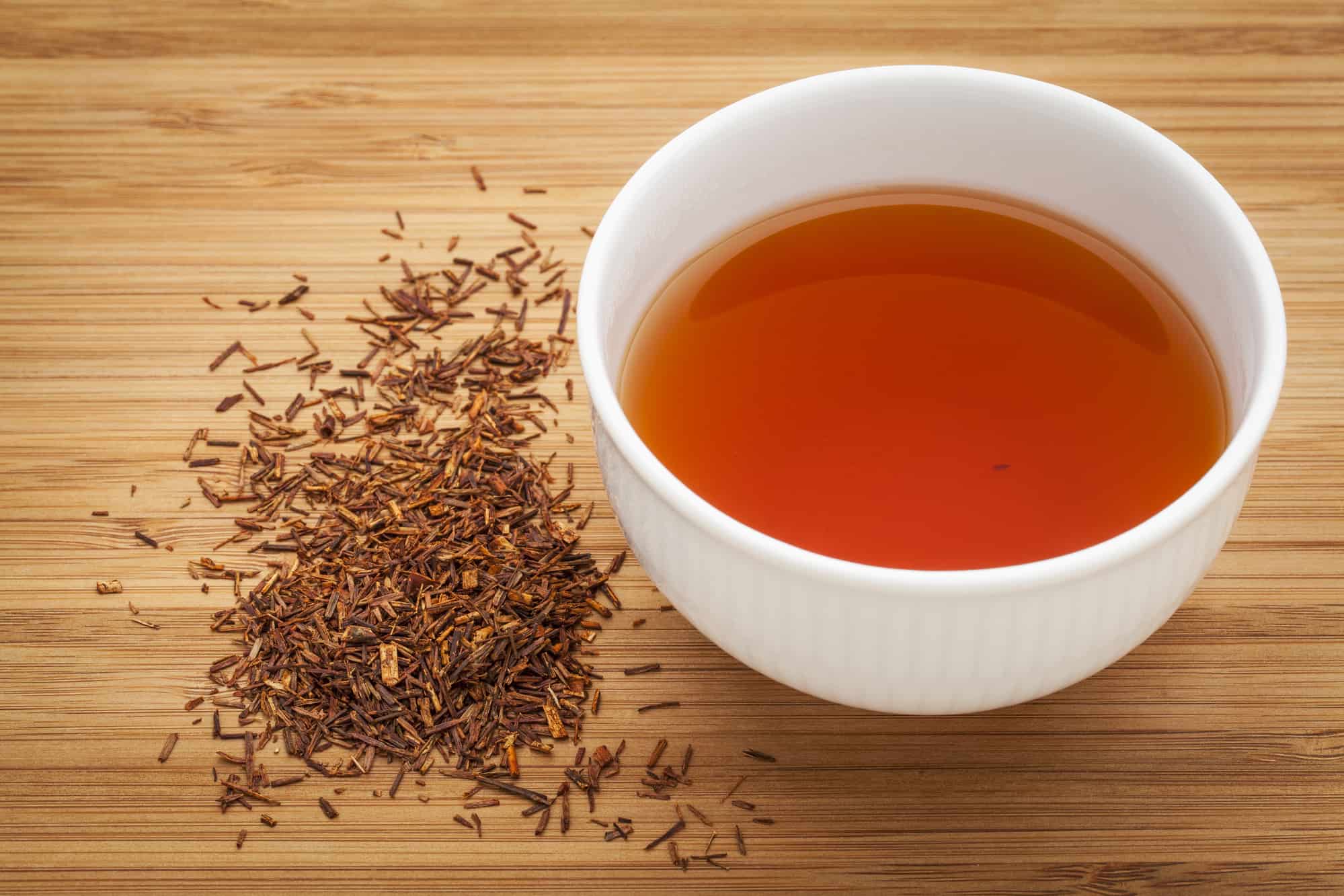
Does Rooibos Tea Cause Gas or Bloating?
When it comes to any direct correlation between rooibos tea and indigestion, we didn't find any support in the current research. If you're worried about indigestion after drinking tea, rooibos is probably a safe choice.
Rooibos is caffeine-free, which makes it relatively safe against gas or bloating. However, additives like fructose and milk or another dairy can cause these symptoms. Fructose, a sugar, can cause nausea, gas, bloating, abdominal pain, or diarrhea (source: UVA Nutrition).
Dairy or milk products can also cause abdominal gas, pain, distention, belching, bloating, and other discomforts, especially for those who have lactose intolerance.

Can Black Tea Give You Gas?
Black tea has been shown to correlate with gas and bloating. In one recent study, a 12-year-old boy experienced dark urine and pain in the upper-right part of his abdomen for 2 weeks.
It was later discovered that he consumed 1.5–2 liters of iced black tea a day for about three months. The iced black tea contained sugar, fructose, black tea extract, citric acid, and apricot juice.
His test found sludge in the gallbladder and liver damage due to hepatotoxicity from drinking black tea. He was advised to stop drinking it, and after two months, his numbers went back to normal (source: Pediatric Gastroenterology, Hepatology & Nutrition).
The boy’s abdominal pain might also be attributed to the other ingredients present in the black tea, including fructose.
Other Tea Types and Causes of Gas

Chamomile Tea
Chamomile tea has no scientific record of causing gas or bloated stomach. In fact, it helps dispel gas, soothes the stomach, and relaxes the muscles of the intestines to help move food smoothly (source: Molecular Medicine Reports).
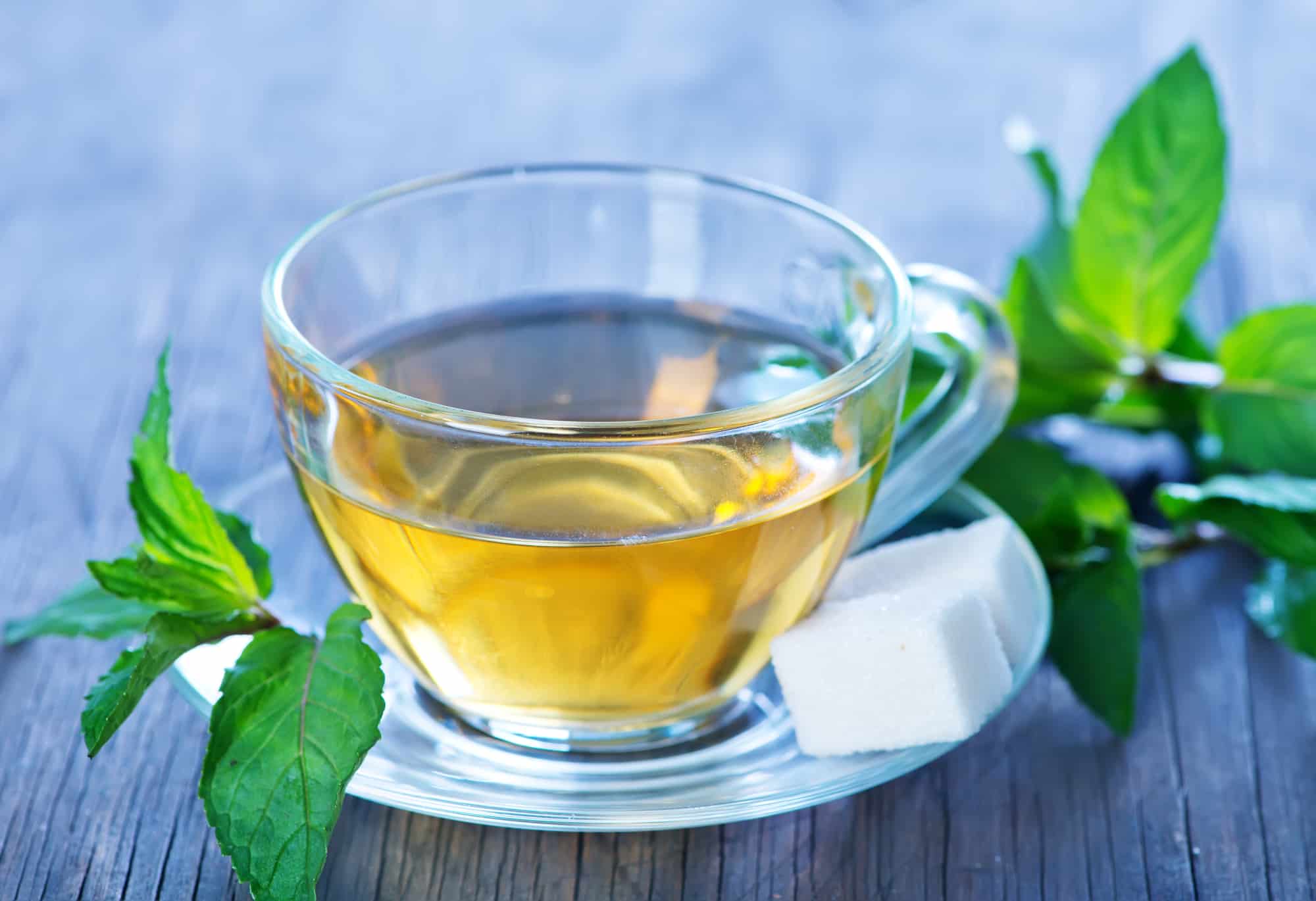
Peppermint Tea
Peppermint tea contains peppermint oil. Peppermint oil, according to some randomized controlled clinical studies, is effective against gas, abdominal pain, diarrhea, and dyspepsia (source: Prescrire international (Paris).
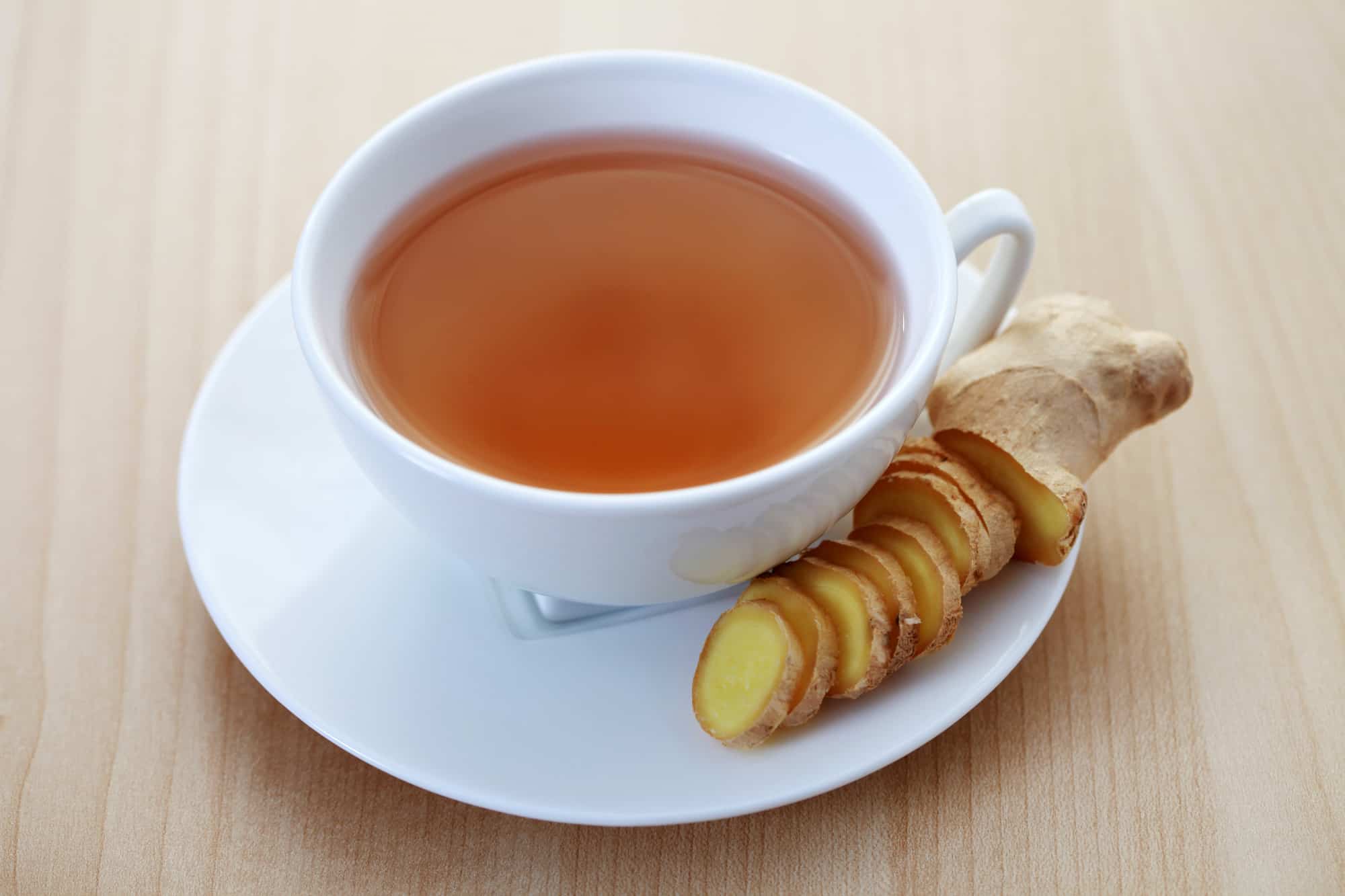
Ginger Tea
Ginger tea has been found to help with stomach upset by emptying the gut faster (source: World Journal of Gastroenterology). If your upset stomach is caused by gas or bloating, ginger tea could help relieve these symptoms.
Fennel Tea
A high fermentable oligo-, di-, and monosaccharides and polyols (FODMAP) diet can lead to nausea, gas, bloating, fullness, and abdominal distention when consumed. Fennel happens to be high FODMAP (source: UVA Nutrition). This means tea made from it can be, too.
As you can tell, studies about the relationship between tea and gas and bloating are inconclusive, and that is the honest state of the research rather than a gap in this article.
Common Questions About Tea, Gas And Bloating
Which tea is least likely to cause gas?
On the current evidence, peppermint and ginger tea are the two most often used to settle a stomach rather than unsettle one. Fennel is the one with a clear reason to be cautious, since fennel is high FODMAP and a tea made from it can be too.
Does green tea cause bloating?
One large study of about 16,840 participants aged 45 to 75 looked at whether fermentable short-chain carbohydrates in common foods and drinks, tea among them, were linked to functional gastrointestinal problems. The type of tea was not recorded, so green tea cannot be singled out from that work either way.
Can drinking tea on an empty stomach cause gas?
Plenty of people report it, though the research does not separate this out. If you notice it, having tea with food rather than before it is a straightforward thing to test over a week.
Does milk in tea cause the bloating rather than the tea?
It is worth ruling out. Lactose intolerance is common, and a few cups of milky tea across a day adds up to a reasonable amount of milk. Trying the same tea black for a week is the simplest way to tell the two apart.
Is fennel tea bad for bloating?
Fennel is high FODMAP, and a high FODMAP intake can bring on nausea, gas, bloating, fullness and abdominal distention in people who are sensitive to it. Fennel tea is often recommended for digestion, so this one cuts both ways depending on the person.
Does caffeine in tea cause gas?
Caffeine speeds up gut motility for some people, which is a different effect from gas but often gets described the same way. Decaffeinated or herbal tea is the easy comparison to make if you suspect it.
Can chamomile tea help with bloating?
Chamomile is one of the teas traditionally used for digestive comfort, and many people find it settles things. As with the rest of this topic, the evidence is thin, so treat it as worth trying rather than as a treatment.
How much tea is too much?
There is no established figure for gas specifically. If you are drinking six or eight cups a day and having trouble, cutting back for a fortnight tells you more than any general guideline would.
Should I see a doctor about it?
If you get these symptoms and have an underlying medical condition, or the bloating is persistent, consulting your doctor is the right step. Tea is an unusual thing to have a real problem with, which is itself a reason to look further than the cup.
Where To Go Next
Working out whether it is the tea, the milk or something else on the plate is exactly the kind of untangling Trish Tucker-May does on her page, as the nutritionist covering the food side of this site.
If you are curious about tea more generally, we have also looked at whether it is safe to eat the tea leaves themselves. For the bloating question across other foods, orange juice and eating ice come up for related reasons, and the gut and digestion index collects the lot.
Keep reading: Trish Tucker-May on gut health All the gut and digestion answers on this site