
The Bondi Life Saver: Carrot, Apple, Orange and Ginger Juice

By Trish Tucker-May
Nutritionist and gut health expert · 22 September 2026
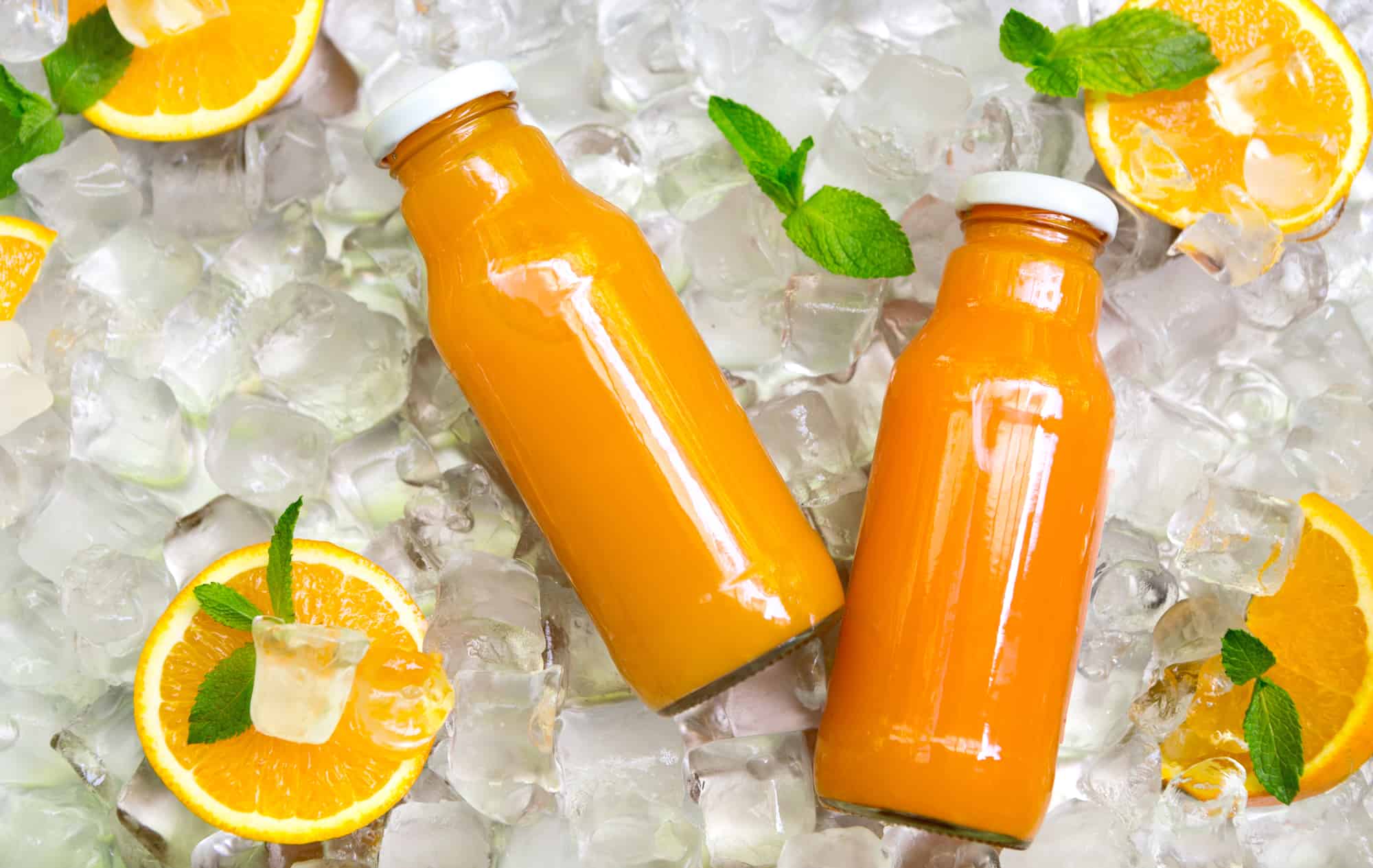
The Life Saver is a four-ingredient juice: four carrots, two green apples, one peeled orange and a thumb of fresh ginger. It comes from Trish Tucker-May’s Passion 4 Juice collection, and the name is about the colour. That deep orange reminded her of the caps worn by surf lifesavers at Bondi.
Why this combination works
Carrot and apple are a friendly starting point for anyone new to vegetable juice. The carrots bring an earthy sweetness, the green apples add a sharper edge that stops the glass tasting heavy, and the orange rounds it out with familiar citrus. Fresh ginger arrives last, warm rather than hot.
That balance is the whole point. Plenty of juices look worthy and are still hard work to drink. This one is bright at the front and gently warming at the finish, with no added sugar, no syrup and nothing from a dairy fridge. Every ingredient is plant-based and every one of them is in an ordinary supermarket.
The Life Saver juice recipe
Makes roughly one large glass or two small ones, depending on how big and how juicy the produce is.
Ingredients
- 4 carrots
- 2 green apples
- 1 orange, peeled
- 1 thumb-sized piece of fresh ginger
Method
- Wash the carrots, apples and ginger. Cut them down only as far as your juicer needs.
- Juice the carrots and the ginger first.
- Follow with the green apples and the peeled orange.
- Stir, pour and drink it soon after making it.
If your juicer struggles with soft citrus, alternate the orange segments with pieces of the firmer apple. Start with a smaller knob of ginger if you like mild heat, then add more next time rather than overpowering the first batch.
Make it work on a busy morning
The juicing habit that survives is the one with the least friction. Wash the produce the night before, leave the carrots and apples whole where your juicer allows it, and keep the machine on the bench rather than in a cupboard. Trish makes the same point in Passion 4 Juice: a juicer you have to lift out and assemble is one more reason not to start.
There is also no prize for turning breakfast into a production. Make it as written the first time. Once you know how it tastes, shift the ginger up or reach for a tarter apple. If you are sharing it, pour two smaller glasses rather than doubling everything straight away.
Juice carries less fibre than eating the whole fruit and vegetables, so it is a drink alongside your meals rather than a replacement for one. If you manage blood sugar or have particular nutrition needs, check with your GP or dietitian about what suits you.
Where the recipe comes from
Passion 4 Juice is Trish Tucker-May’s collection of juice and smoothie recipes, each one tied to somewhere she has served juice on her travels. The recipes move from place to place like a travel diary written in fruit and vegetables: Bondi here, a Greek island a few pages later.
The Life Saver is an easy one to start with, because it asks nothing unusual of you. No rare ingredients, no particular season, no special equipment beyond a juicer. Make it wherever you are, serve it cold if the day is warm, and let the colour bring a bit of the Australian coast into the kitchen.
Common questions
Do I need to peel the carrots?
No. Give them a good scrub under the tap and cut off the top and any soft spots. Most of the flavour sits close to the skin.
Should I peel the orange?
Yes. Orange peel is bitter and the white pith underneath it is worse, so peel it before it goes anywhere near the juicer. Apples and carrots go in with their skin on.
Can I make it without a juicer?
You can blend it, but it is a different drink. Chop everything small, blend with a splash of water, then strain through a nut milk bag or a fine sieve if you want it thin. Left unstrained it is closer to a thick smoothie.
How much ginger is a thumb?
Roughly a 3cm knob, about the size of the top joint of your thumb. That gives a warm finish rather than a burn. Halve it if you are unsure, because you can always add more to the next glass.
Which apples work best?
Green apples such as Granny Smith. They are sharp enough to cut through the sweetness of four carrots. A red eating apple works, but the glass comes out sweeter and flatter.
Can I make it the night before?
It is better fresh. Fresh juice starts losing colour and flavour within a few hours of being made. If you have to make it ahead, fill the container to the top, seal it, keep it cold and drink it the same day.
How many does it serve?
One large glass, or two small ones to share. Scale it up by juicing a second batch rather than cramming a double quantity through the machine in one go.
Can I make it less spicy for the kids?
Leave the ginger out entirely. Carrot, apple and orange on their own is a mild, sweet juice, and you can add a small piece of ginger to the adults’ glasses afterwards by juicing it separately.
More from Trish
Trish’s soothing green smoothie is the blender version of the same idea, short ingredient list and all, and her gut-loving herb pesto takes the approach to the dinner table. If citrus is something you have to think about, we have looked at whether orange juice causes gas and bloating and at oranges and orange juice on a low FODMAP diet.
About Trish
Trish Tucker-May is a Registered Nutritionist, a member of the Federation of Nutritional Therapy Practitioners (UK), and author of Nourish Your Gut For A Positive Menopause. She works with women over 40 on gut health and hormonal balance. Read more on her expert page, or find her at www.trishtuckermay.com.
Nutrition information on Cuisine Seeker is general in nature and is not a substitute for advice from your GP or an accredited practising dietitian.