
Foodie Tips · Fresh Food · Sides · Snacks
How Long Does Pico De Gallo Last? [Homemade, Fresh or Canned]
Homemade Pico de gallo is best eaten fresh as soon as you’ve prepared it, and not cold. In the fridge, it will keep for 3–7 days for both fresh and ready-to-eat. Pico de gallo doesn’t freeze well either.
This article will answer your questions about the keeping properties of pico de gallo, how long it should sit outside, what you can do to prevent spoilage or contamination, and more so keep reading!
This is one of our Mexican food questions. For the bigger picture, see our guide to the top 10 Mexican foods.
How Long is Pico De Gallo Good for?
Pico de gallo is best consumed as soon as it’s made. In the fridge, it will keep for 3–7 days.
Before anything else, let us first discuss the difference between pico de gallo and salsa because both are similar except only for consistency.
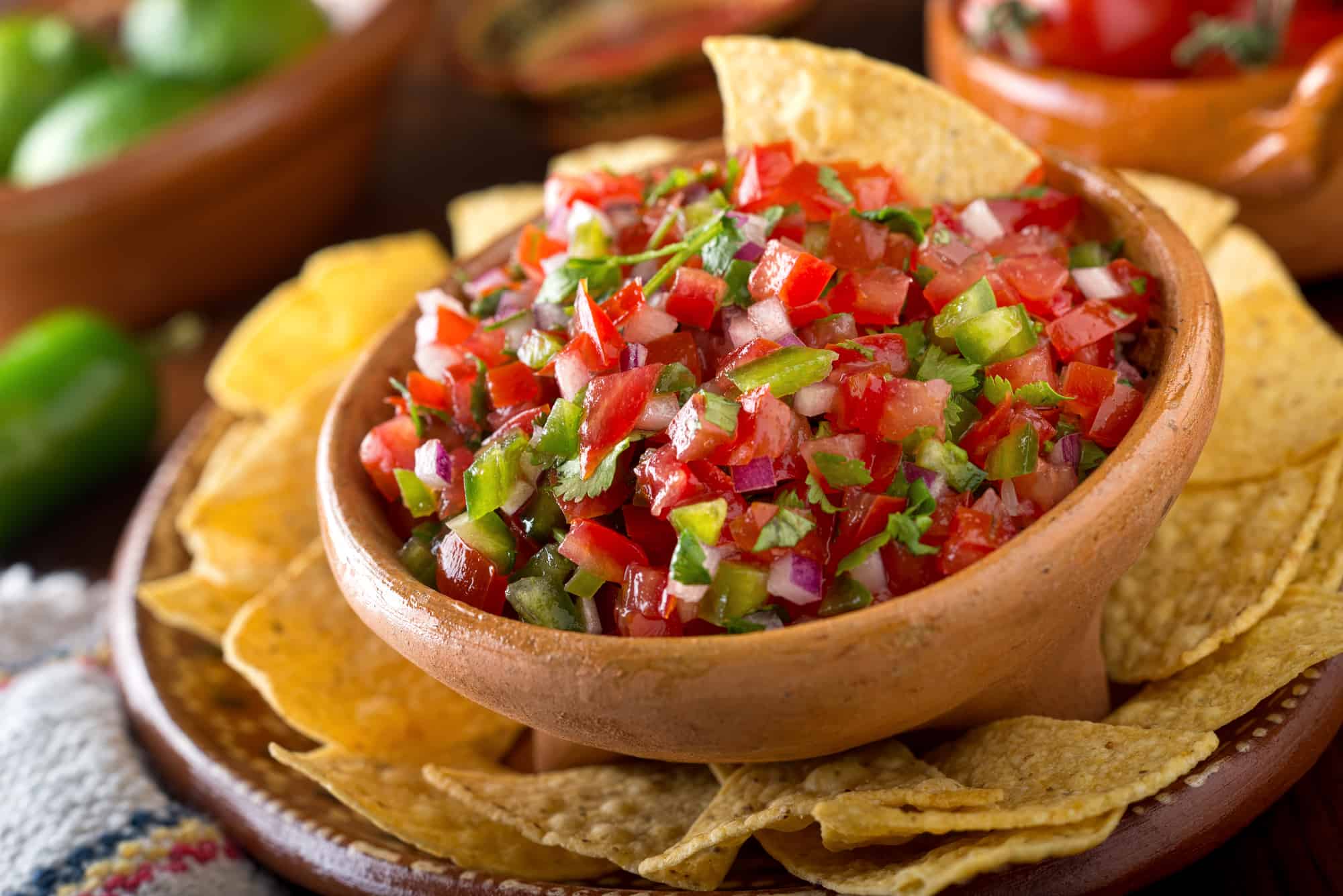
Pico de gallo emphasizes freshness. The ingredients used are always raw and fresh, which is why it is sometimes considered a salad. The consistency is less watery and a chunky texture should be achieved.
Salsa, on the other hand, can use non-fresh ingredients like steamed or roasted tomatoes, and resemble more of a puree in contrast with the chunky pico de gallo (source: Cookie and Kate).
Now, onto their keeping properties.
The CDC recommends refrigerating vegetables and fruits at 40 °F (4 °C) within two hours after cutting, peeling, or cooking them. And if they are subjected to a temperature above 90° F (32 °C), refrigerate them within an hour.
According to CDC, plant-based food is at its safest state if it’s cooked, or second, washed. Sometimes, fresh produce contains harmful microorganisms that could cause foodborne diseases (source: CDC).
All of these imply that some foods, especially fresh ones, are best consumed as soon as they’re prepared, for safety.
Freshly made pico de gallo best keeps for 3 days in an airtight container inside the refrigerator. It doesn’t freeze that well, so you can forget about storing it in the freezer (source: Plant Based on a Budget).
However, some sources also point out that fresh pico de gallo can stay in the refrigerator for up to a week, provided that the ingredients used are handled safely, the temperature inside the fridge is lower than 40 °F (4 °C), and an airtight or vacuum-tight container is used.
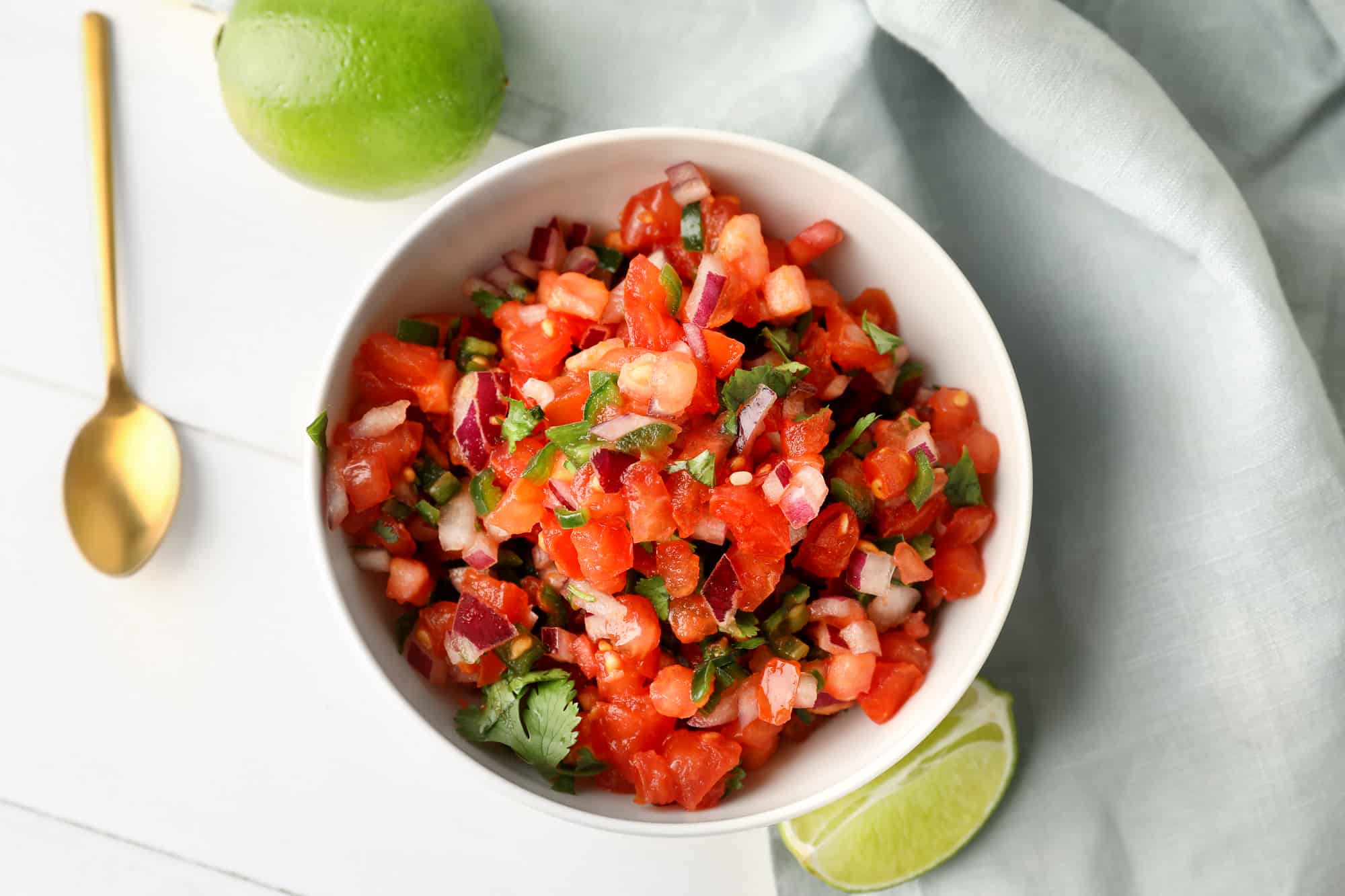
There aren’t many commercial pico de gallo, unlike salsa. This is probably because pico de gallo only uses fresh ingredients whereas salsa can use cooked vegetables, and can even be cooked (source: PennState Extension). This means that salsa could have an upper hand when it comes to a longer shelf life.
Most commercial pico de gallos have pretty much the same ingredients as salsa. According to a study, vegetables that underwent little processing have a higher risk of microbial load when they reach their shelf life or expiration date.
Regardless of the expiration date, or the estimated shelf life of the salad, there was both presence and growth of microorganisms, mostly spoilage microbes. These microbes increased during the shelf life of a salad (source: Foods).
This means that microorganisms that cause food to spoil grew in the salad while it was in the study and wouldn’t be far off because it can be considered a salad.
Pico de gallo also contains tomatoes. Tomatoes are 95% water (source: Bupa). Water is one of the major requirements for microbial growth.
Commercial refrigerated ready-to-eat dips and sauces have increased cases of causing foodborne outbreaks in the US. The most common cause is high water activity and a pH of more than 4.4 (source: Public Library of Science One).
How Long Does Pico De Gallo Last in the Fridge?
In the fridge, pico de gallo can last for 3–7 days. However, it would be best to consume it within 3 days for safety and quality factors.
This applies to both fresh and commercial pico de gallos but you can always follow the storage instructions of the pico de gallo you bought if there are any.
Remember, the temperature has to be 40 °F (4 °C) or lower and you need to use a storage container with a tight seal, preferably an airtight one.
How Long Can Pico De Gallo Sit Out?
Pico de gallo will taste best if it is eaten fresh. This could be at room temperature or it can also be chilled only enough to cool it down, but not cold. It won’t taste good if it is (source: Little Sunny Kitchen).
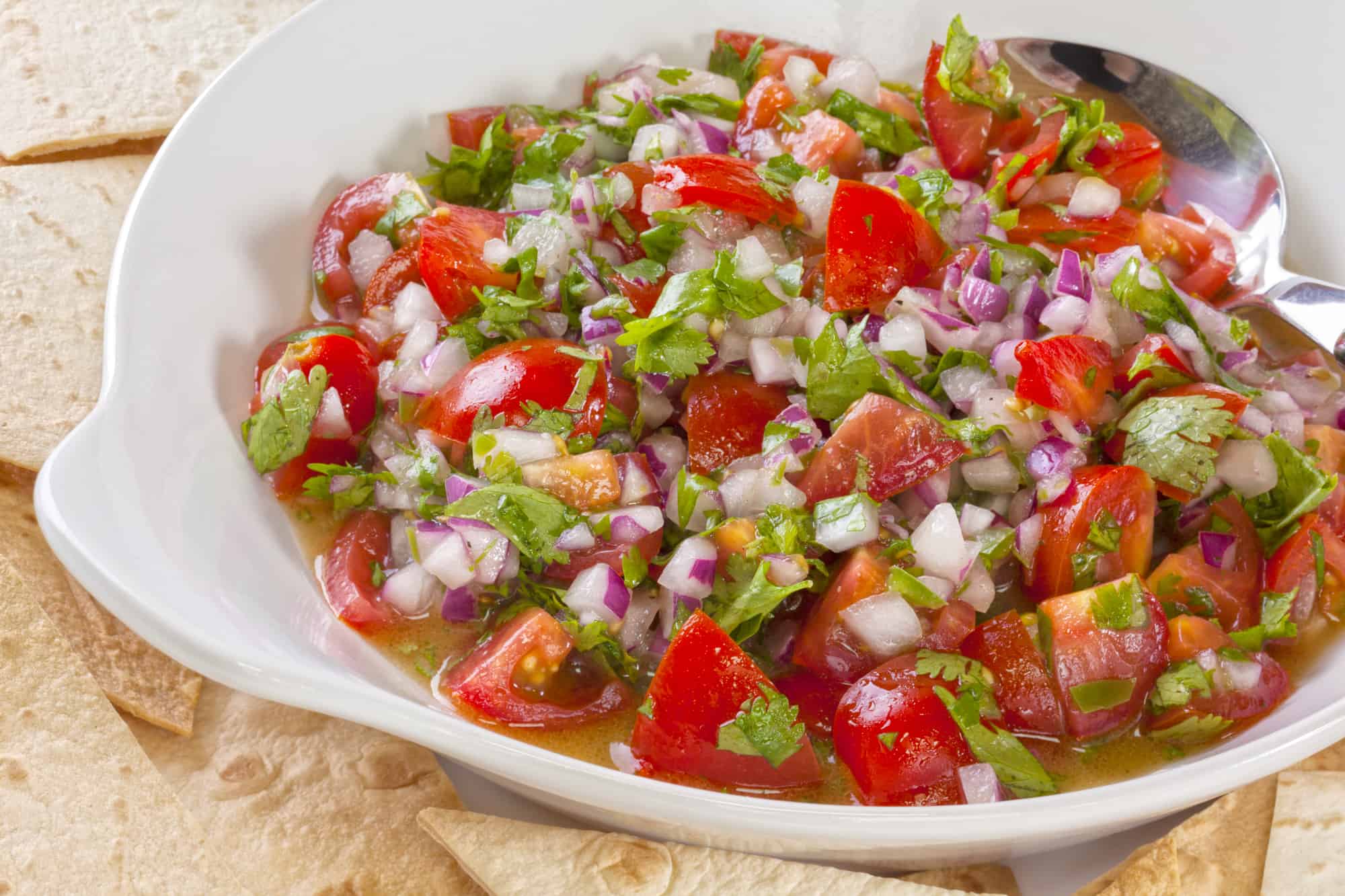
The USDA has a “2-Hour Rule” wherein you shouldn’t leave any food outside the fridge for more than 2 hours. Bacteria survive and thrive in temperatures between 40 °F to 140 °F (4 °C to 60 °C) (source: USDA).
This is because harmful or spoilage bacteria can grow and either cause damage to the food or the body.
With a delicious sauce (or salad) that pairs extremely well with nachos and tacos, it can be unavoidable to double dip. But this can increase the risk of bacterial growth in the dip.
According to scientists, it is estimated that continued double dipping when you are at a party will transfer about 50 to 100 harmful bacteria from person to person per bite, on average. This is dependent on the consistency of the dips and the size of the bowls (source: The British Medical Journal).
Yikes. If you are at a party and you see people double dipping, it would be best to avoid dipping your food to where they’re dipping and not wait and see if it has gone bad.
Alternatively, certain foods undergo a transformation in taste when heated or cooked, potentially diminishing their appeal. Have you ever wondered if you can heat or cook Pico de Gallo? Explore the pros and cons in our guide that delves into this topic.
Can You Freeze Pico De Gallo? How Long Will it Last?
Pico de gallo is best consumed fresh, not when it’s cold. It doesn’t freeze well either. So, either you make it fresh or buy one.
Whether you consider pico de gallo as a sauce or salad, it is best eaten fresh. So, go ahead and enjoy yours!
What to Do With Leftover Pico de Gallo
Given it does not keep long and does not freeze, using it up is the real storage strategy. It goes with more than the Mexican dishes it is made for.
- Tacos, nachos and quesadillas. The obvious home, and the fresh acidity cuts through cheese and fat.
- Grilled steak and pork. It does the job a sauce would without the richness, which suits a fatty cut.
- Grilled chicken. Particularly breast, which is lean enough to eat dry on its own.
- Grilled or barbecued fish. The lightest pairing of the lot.
- Grilled vegetables. Asparagus, mushrooms, capsicum, eggplant and zucchini all take it well, on the side or spooned over.
- Scrambled eggs. Alongside, or stirred through to make a rough omelette filling.
- Burgers. In place of pickles, or next to them.
- Bruschetta. Close enough to a tomato topping already. Mix it with avocado or soft cheese to hold it on the bread.
- On its own. Whether pico de gallo is a salsa or a salad is a genuine argument, and a bowl of it with a fork settles nothing but makes a decent lunch.
Can You Can or Jar Pico de Gallo?
Not safely with an untested recipe, and this is one to be careful with rather than experimental.
Pico de gallo is essentially never sold canned, and the reason is not commercial. Home canning of low-acid vegetables carries a botulism risk, and the way that risk is managed is by following a recipe that has been laboratory tested for the right acidity and processing time. Fresh pico de gallo is not such a recipe. Blog instructions along the lines of fifteen minutes in a boiling water bath are not a substitute for a tested process, whatever they promise about twelve months of shelf life.
Tested salsa recipes for canning do exist, and they work because they are formulated with a controlled ratio of acid to vegetables and then processed to a specified schedule. Those recipes produce a cooked salsa, not pico de gallo, because cooking is part of what makes them safe. If you want to preserve a tomato salsa, start from a tested recipe at the National Center for Home Food Preservation rather than adapting a fresh one.
For pico de gallo specifically, the honest answer is that refrigeration is the only preservation worth using, and the shelf life is the few days covered above. Commercial pico de gallo sold in tubs is refrigerated for the same reason, and keeps three to seven days at most.
For where the name rooster's beak comes from, see why pico de gallo is called that.