
What Is Pico de Gallo? Ingredients, Uses, and More
Mexican cuisine comprises a bunch of varied dishes influenced by native populations and Spanish settlers. However, you may not know which Mexican dish is which, especially when it comes to the popular side dish pico de gallo.
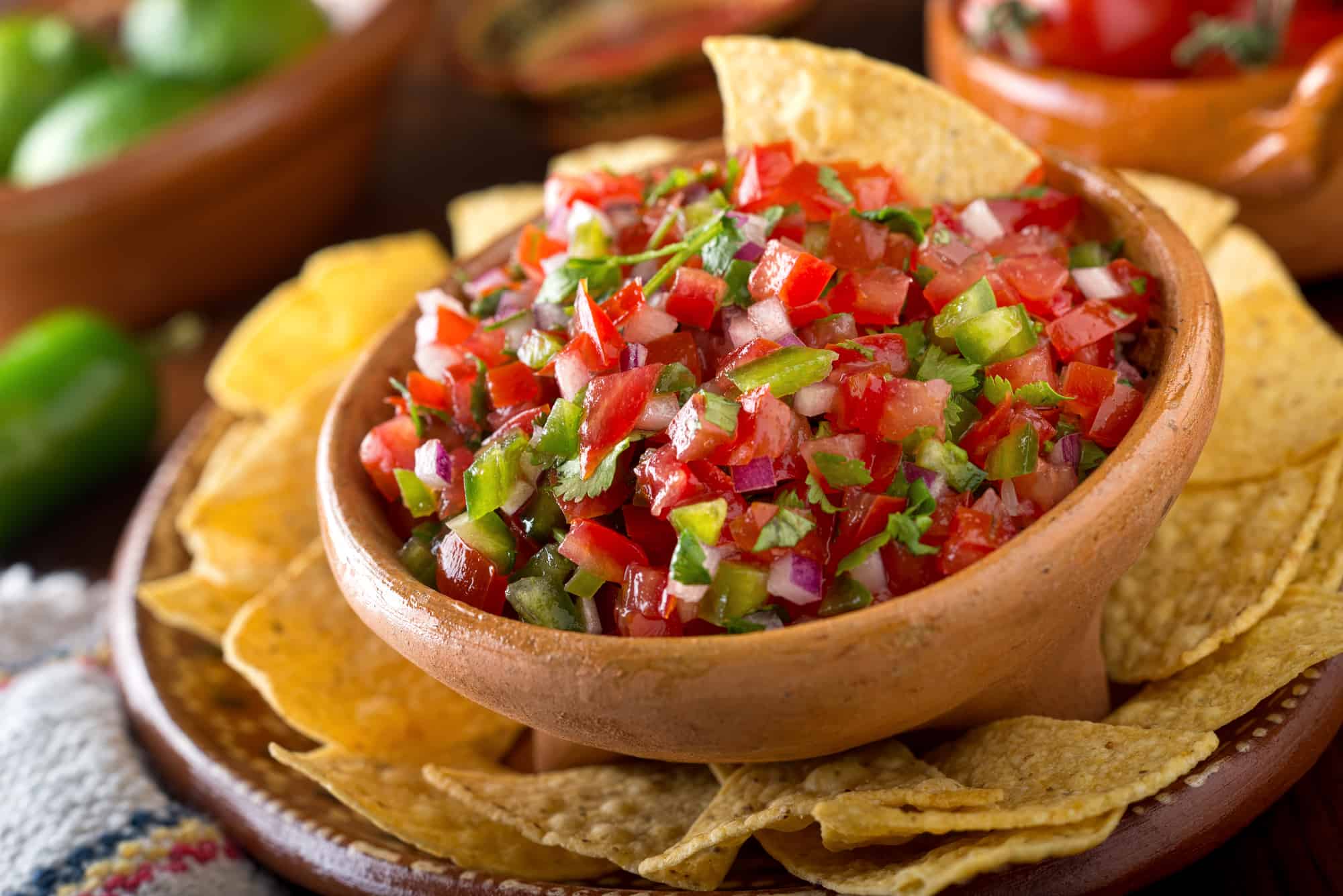
Pico de gallo is a Mexican dish similar to salsa. It is a finely chopped salsa made from the freshest ingredients. Pico de gallo goes well as a side dish with your favorite Mexican meal or a flavorful dip with tortilla chips.
Keep reading for in-depth information on pico de gallo. I'll explore what's used to create this side dish and what flavors you can expect. I'll also examine the best storage options for pico de gallo and whether there are any potential safety risks involved when consuming this delicious dip.
This is one of our Mexican food questions. For the bigger picture, see our guide to the top 10 Mexican foods.
What Is Pico de Gallo?
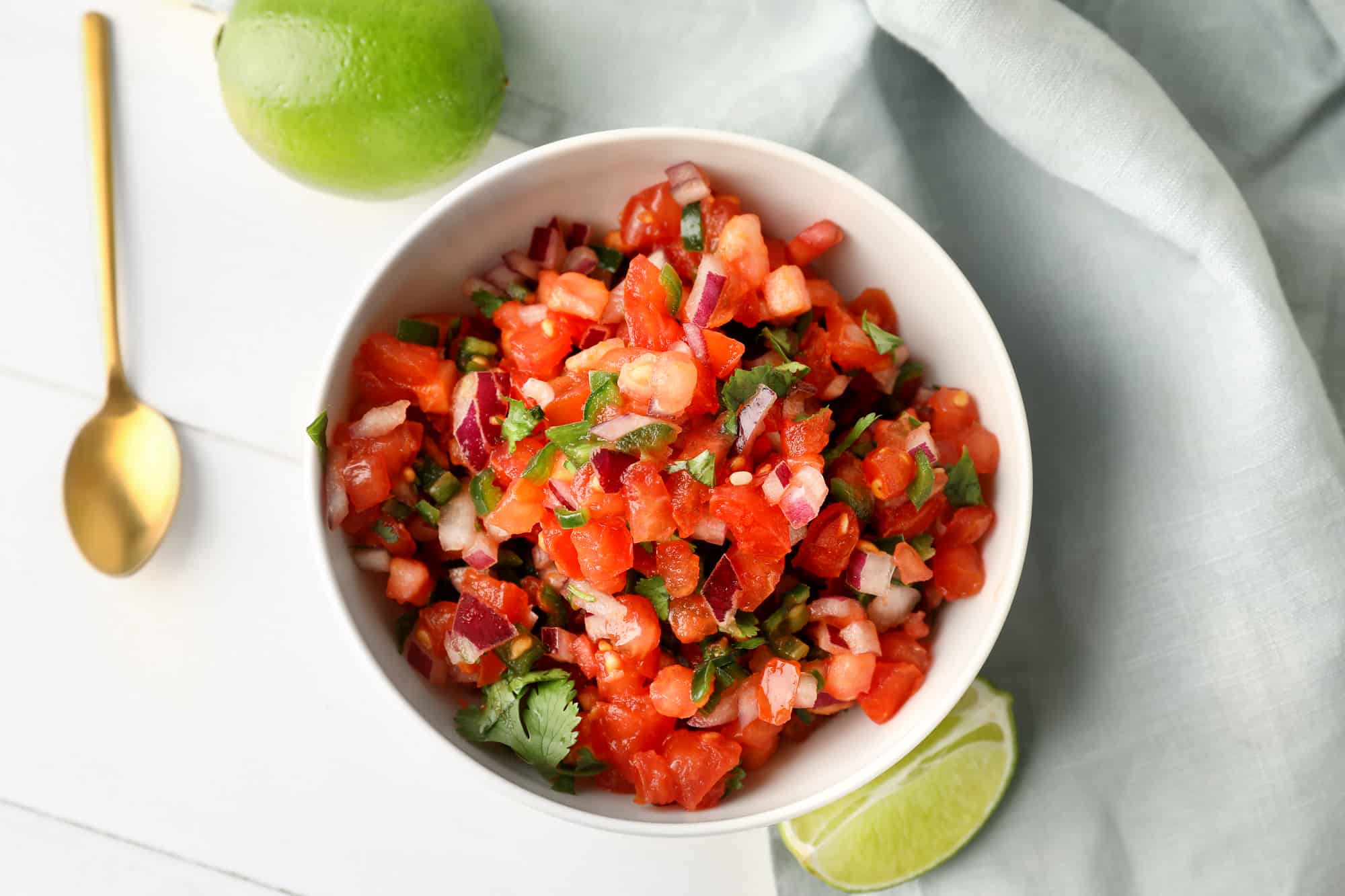
Pico de gallo is a fresh salsa recipe made with finely chopped onions, tomatoes, jalapenos, cilantro, and lime. Pico de gallo originated from Mexico and is a popular side dish enjoyed with Mexican cuisines like tortilla chips and tacos by millions worldwide.
As mentioned earlier, pico de gallo is very similar to regular salsa. However, pico de gallo has a distinct texture due to its finely chopped ingredients. In contrast, salsa typically contains larger chunks of vegetables in the dip.
Pico de gallo has roots in Mexico. In fact, the name pico de gallo is Spanish for "rooster beak," (which is intriguing and confusing for people who've never heard of it, I imagine). However, despite the name, pico de gallo includes no meat or chicken whatsoever.
Is Pico de Gallo Spicy?
Many people get put off by Mexican food as it's often pretty spicy. After all, Mexico is home to some of the hottest chilis in the world, and these often find their way into Mexican cuisine. This begs the question: Is pico de gallo a spicy food, or is it a mild-flavored Mexican recipe?
Pico de gallo is spicy when it is made using jalapenos. The number of jalapenos included in the recipe will determine its spiciness. However, you can make pico de gallo without chili, or use bell pepper, which would result in little to no spiciness and a mild flavor.
Therefore, the spiciness of pico de gallo depends on who's making it and what recipe they're following. Since jalapeno peppers are optional in traditional cooking, the spiciness of pico de gallo varies from dish to dish.
What Does Pico de Gallo Taste Like?
Before I describe what you can use pico de gallo for and how it's stored, I should give you a primer on the flavors in the dish. After all, there's no point in learning more about the food if the taste doesn't sound like something you'll enjoy as a side dish.
Pico de gallo tastes like fresh tomato and onion with some spiciness and a hint of citrus. In other words, pico de gallo tastes much like salsa. However, pico de gallo has a different consistency from salsa as it contains smaller pieces of every raw ingredient.
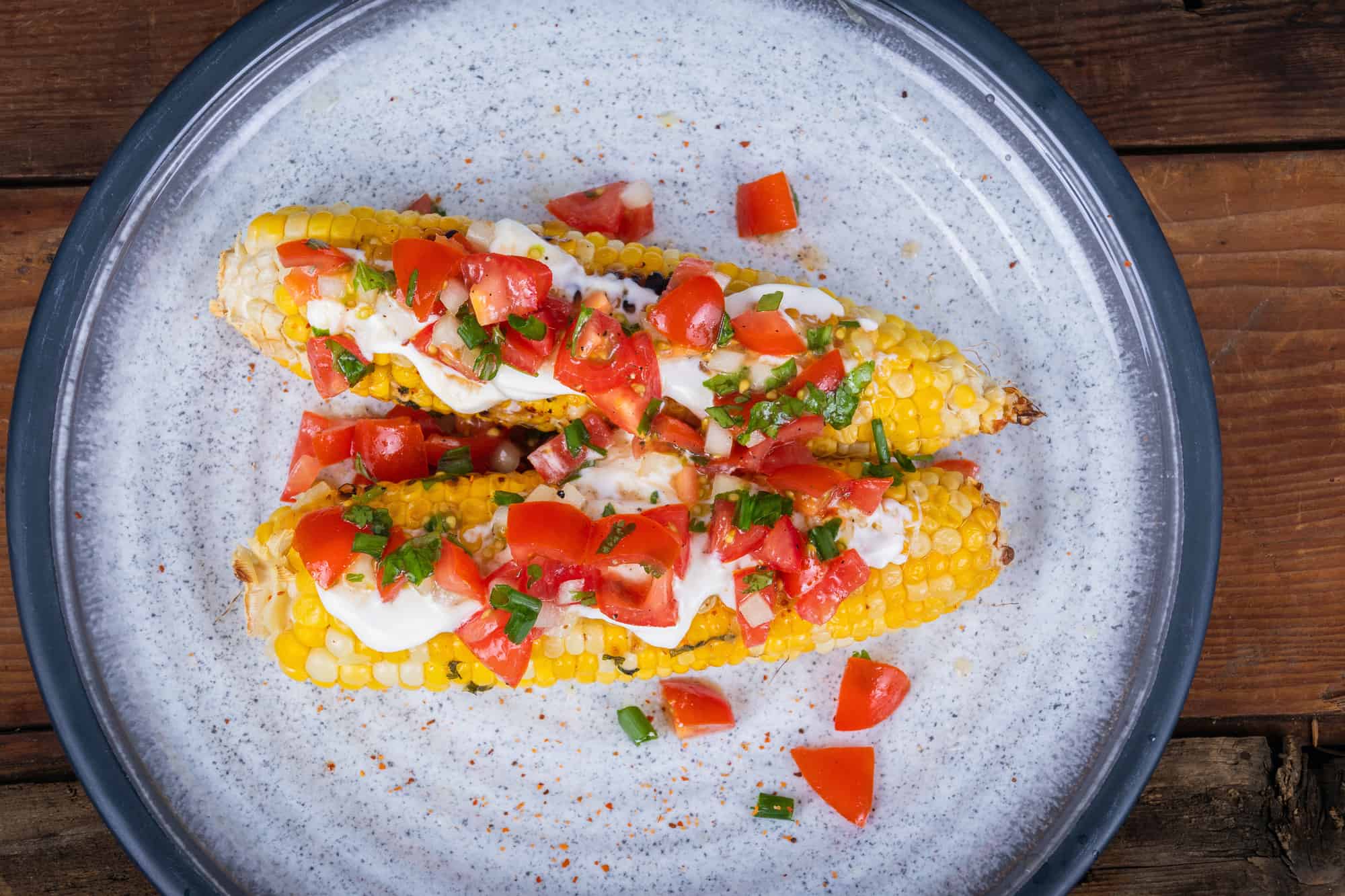
Pico de gallo also tastes like fresh cilantro and has a slightly sour and acidic taste. Depending on the recipe, it may also be spicy. For that reason, pico de gallo is a fantastic topping for fresh Mexican food. In fact, pico de gallo is served regularly as a topping for tacos as well as a yummy side dish.
If you're a fan of salsa or fresh vegetables with a slightly sour taste, you'll likely enjoy the taste of authentic pico de gallo. If you like Italian bruschetta, you might also like it.
Can You Freeze Pico de Gallo?
Freezers are fantastic for making your food last longer and avoiding spoilage. However, not all foods are suitable for freezing. Some foods change drastically after freezing and don't thaw out well. So can you freeze pico de gallo, or is that a bad idea?
You can freeze pico de gallo. However, doing so will typically alter the chunky texture once thawed. This happens when the water inside the tomatoes increases in volume during freezing. This also causes the ripe tomatoes to go mushy when the dish thaws. However, freezing does not influence the bold flavor.
While freezing pico de gallo changes the texture of the dish, it still does a good job of prolonging the dish's shelf life. If you freeze fresh pico de gallo, it can last for 6 months in the freezer. That means you can have pico de gallo on hand for a while by making one batch at a time and freezing the leftovers.
How Long Will Fresh Pico de Gallo Last?
Fresh pico de gallo will last up to one week when stored in the fridge. However, when pico de gallo is left out on the counter at room temperature, it will only last for about two hours. For that reason, you must put your pico de gallo into the fridge until it is ready to serve.
Fresh vegetables don't last long when they're chopped up into small pieces at room temperature, especially in hot climates. As a result, pico de gallo will spoil quickly when left out.
When storing your fresh pico de gallo in your fridge, you need to put it in a sealed container. Ideally, you should use an airtight container to ensure your side dish remains fresh for longer. If your pico de gallo isn't in a suitable container, it will likely spoil in under a week, even when refrigerated.
Can Pico de Gallo Be Cooked or Heated?
Pico de gallo can be cooked or heated. When pico de gallo is cooked, the vegetables will soften and change slightly in flavor. Cooking pico de gallo produces a dish called warm pico de gallo, which is commonly enjoyed in authentic Mexican cuisine.
When you cook or heat pico de gallo, you can enjoy benefits in terms of safety, flavor, and storage.
Safety should always be a top priority when preparing food. However, mistakes can happen, and food can easily become contaminated. The risk of contamination is higher in fresh foods. Since cooking pico de gallo will heat the ingredients beyond a specific temperature, the harmful bacteria will die, and the risk of contamination will drop.
Also, cooking food changes its flavor and consistency. This is especially true with vegetables like onions. Raw onions can have a strong and distinct flavor, while cooked onions are often sweet and subtle. Therefore, cooking your pico de gallo will change the flavor to one that people who otherwise can't tolerate strong flavors will enjoy.
Finally, storing pico de gallo is essential for food safety and to prevent it from spoiling. Fresh pico de gallo will last for a few days to a week. But when your pico de gallo is cooked, the ingredients can stay for a couple of extra days. On top of this, cooked pico de gallo retains flavor better than fresh.
Can Pico de Gallo Make You Sick?
Pico de gallo can make you sick when it is improperly stored or prepared. Pico de gallo can allow harmful bacteria to fester, making you ill after you eat it. The dish has even been linked to pathogen outbreaks of salmonella. It's riskier because it's uncooked.
3.9 percent of foodborne outbreaks from 1998 to 2008 in restaurants were confirmed or suspected to be from salsa, guacamole, or pico de gallo (source: Center of Disease Control).
Raw onions and tomatoes are vulnerable to salmonella. Every few years, an outbreak can occur due to the consumption of these vegetables.
However, if prepared and stored correctly, pico de gallo is unlikely to make you sick. The risks involved in pico de gallo come from improper storage or preparation.
Overall, pico de gallo is a popular and versatile dish that consists of fresh vegetables. You can enjoy it warm or cold and serve it alongside your favorite Mexican dish.
Ingredient Substitutions for Pico de Gallo
Pico de gallo is a short recipe, so a missing ingredient is noticeable. Most of them have a workable stand-in, with one rule holding throughout: the substitute has to be fresh. Pico de gallo is defined by raw ingredients, which is what separates it from salsa, where cooked and tinned tomatoes are normal.
- Lemon for lime. The closest swap, since both are citrus. Vinegar works at a pinch for the acidity, which is also what keeps the mix from spoiling quickly, but it tastes noticeably different.
- Mexican oregano or parsley for cilantro. Cilantro has a muted anise flavour with a peppery edge, and a significant number of people cannot stand it. Mexican oregano gives the closest herbal note. Parsley is milder and sits well between the lime and the onion.
- Dried cilantro. Possible, not recommended. Dried herbs do not rehydrate into anything like the fresh version in an uncooked dish.
- Poblano for jalapeno. Use this if you want it milder. Poblanos run 1,000 to 1,500 Scoville units against a jalapeno's 2,500 to 8,000, so you need roughly eight poblanos to match one jalapeno's heat. Our jalapeno substitute and conversion charts give the tablespoon amounts.
- Pickled jalapenos for fresh. Again possible, again a different dish. The pickling brine fights the lime.
- Shallots for onion. Milder than raw onion, and their flavour sits between onion and garlic, so this is the move if you want a faint garlic note without adding garlic.
Tomatoes can be replaced outright with fruit, which is a summer variation rather than a substitution. Chopped watermelon works with red onion, cucumber, lime, chilli, salt and a soft herb such as cilantro, basil or mint. Peaches, strawberries and pineapple work better alongside the tomatoes than instead of them.
How Do You Stop Pico de Gallo Getting Watery?
Pico de gallo goes watery because it is mostly water to begin with. Raw tomatoes are 90 to 95 per cent water, and raw onion is around 91 per cent, so the liquid pooling at the bottom of the bowl was always in there.
That matters for more than texture. Microorganisms need available water to grow, so a wetter pico spoils faster than a drier one.
Three things help, and none of them involve using less tomato.
- Drain the cut vegetables. Tip the diced tomato and onion onto a clean kitchen towel and press gently. Press hard and you get mush.
- Add a little more salt. Salt draws water out of the pieces and lowers the water available to bacteria at the same time. A pinch of sugar does the same thing.
- Chill it uncovered. Covering food traps moisture, so an open container in the fridge loses some. Do not leave it there long, because it dries out and loses its fresh flavour.
To rescue a batch that has already gone watery, drain the liquid off and taste it. Draining takes flavour with it, so it usually needs a squeeze of lime, a little salt and a fresh handful of cilantro afterwards. Only bother if you are confident it has not started to turn.
Wondering about the name? See why it is called pico de gallo, and what it means.