
Does Seaweed Make You Gassy or Fart More?
Seaweed does make you gassy, and it can make you fart more. That is the prebiotic fiber feeding your gut bacteria, which is usually a sign things are working rather than a problem. Salt is the other half of it, since dried seaweed is high in sodium and that brings on the bloated feeling. Portion size is what separates a bit of wind from a genuinely uncomfortable afternoon.
Seaweed has been eaten for a very long time and is cheap to harvest, which is part of why it turns up in so much food. The side effect people notice is the one nobody wants to ask about. Below is why it happens, whether the type matters, and why the smell is what it is.
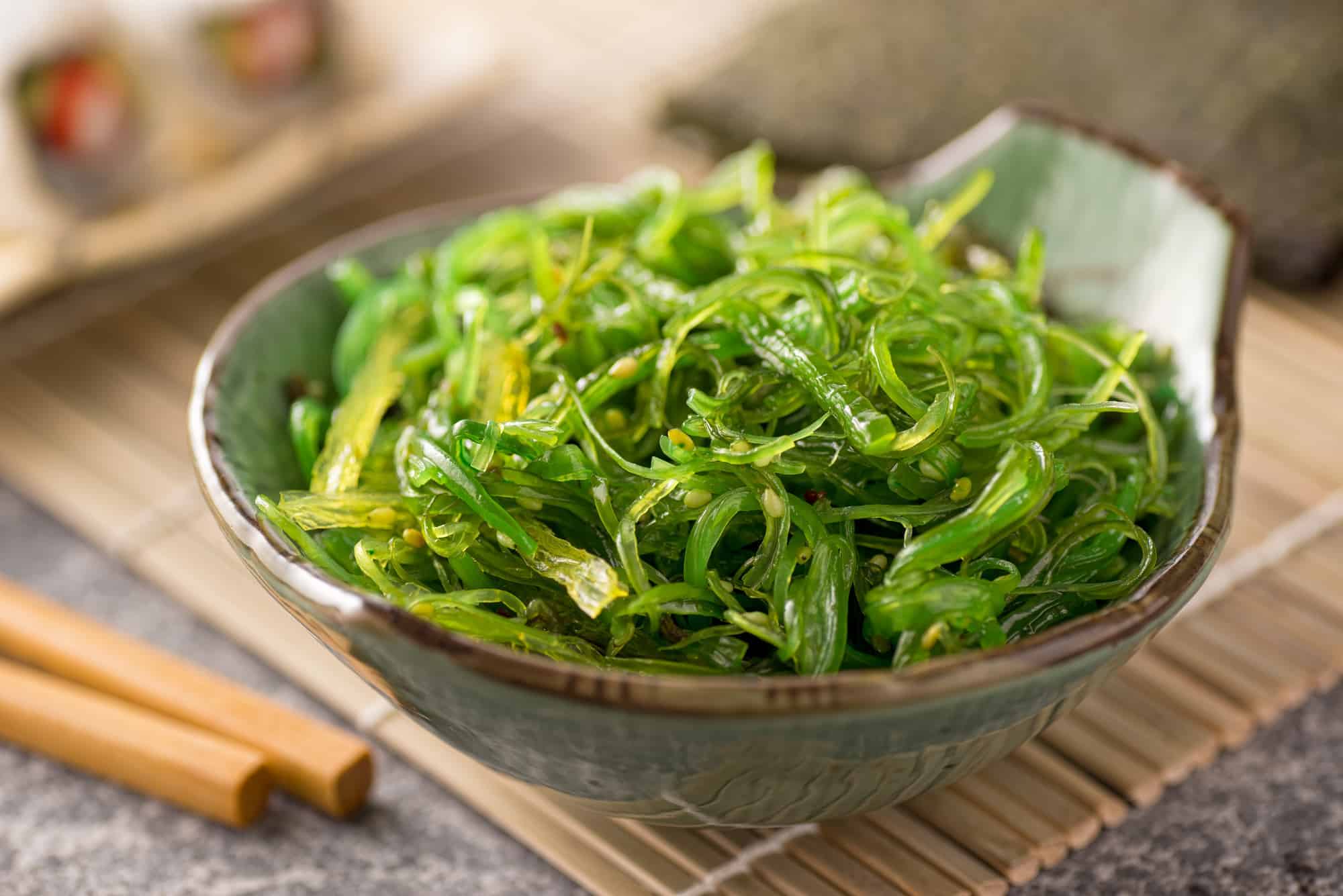
Does Seaweed Make You Fart?
It’s never ideal when you’ve just enjoyed a fabulous seaweed starter and suddenly your stomach starts acting up. Farts (scientifically known as ‘flatus’ or ‘flatulence') are naturally caused by your body’s digestion of food, and sometimes, it’s unavoidable (source: Medline Plus).
Seaweed does make you fart, especially if you consume high amounts of it. While seaweed can be known as a way to soothe your digestive system, it can also aid in the natural production of gas. This is due to seaweed’s high fiber content - and fiber is something your body needs.
Studies have suggested that eating small amounts of seaweed can aid your overall gut health; in this case, seaweed helps your gut bacteria help you (source: Medical News Today).
If you often suffer from an unhealthy gut, small portions of seaweed can go a long way in helping to alleviate diarrhea and constipation. Therefore, the flatulence you experience is the body’s way of saying things are working as they should.
Why Does Seaweed Make You Fart?
Seaweed makes you fart because it helps move your digestive system along. Seaweed feeds gut bacteria to produce more gas, which is one of the essential components of a healthy bowel movement.
So yes, it does make you fart, which can be awkward (especially in public). Still, those extra nutrients you’re putting into your body actually have antibacterial power and can, in small amounts, help your gut function as it should (source: Healthline).
However, if you consume large amounts of seaweed per day, this can offset the natural rhythm of your digestive system, causing you potential digestive distress. Eating too much fiber can cause excess gas, which is no fun for anyone (source: Livestrong).
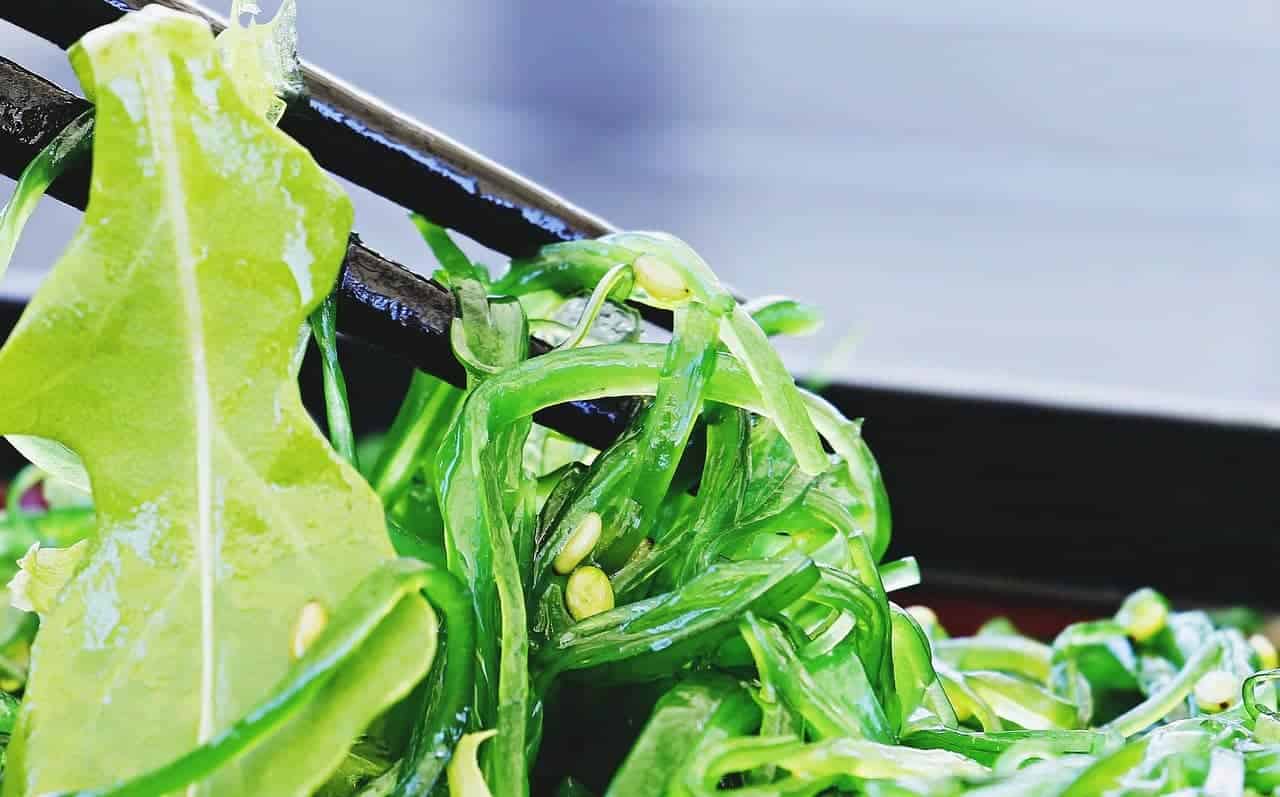
Can Seaweed Make You Gassy?
Seaweed can make you gassy, and there are a few reasons why. Firstly, as I have already mentioned, the fiber content makes you gassy. However, it’s also the salt content that can make you gassy since some seaweed types can have high sodium levels.
Studies have shown that while fiber helps your gut perform its job correctly, high salt content can counteract those results, causing bloating and excess gas.
After eating copious amounts of seaweed, you might experience bloating from the high salt content, and you’ll feel gassy because of the fiber. So, all in all, it may feel like a no-win situation (source: National Library of Medicine).
However, there are a couple of things you can do to prevent this from happening:
- For starters, don’t eat too much of it. Once in a while, or perhaps a nice cup of fresh seaweed tea once a day, is absolutely fine, and you shouldn’t be experiencing too much gas.
- Secondly, try to avoid too much dried seaweed. Dried seaweed is the main culprit of salty content, with a whopping 312 mg per portion, so eat dried seaweed in small servings and not too often. Otherwise, you might find yourself awkwardly clenching at your next dinner party (source: Livestrong).
The rule of thumb here is to be mindful of how much seaweed you’re eating. A small amount every so often is excellent for your overall gut health, but too much can cause significant discomfort. A little bit of everything in moderation will do you no harm.
How Much Seaweed Is Too Much? A Portion Guide
There is no research-backed limit for how much seaweed causes gas, because tolerance varies a lot from person to person. A sensible way in is one small serve, then add a little more every few days. The serves below are practical starting points, not clinical limits.
| Type of seaweed | Starting serve | Why |
|---|---|---|
| Nori sheets (sushi, rice balls) | 1 to 2 sheets | Light and low in weight, so the fiber dose is small |
| Wakame in miso soup | About 1 tablespoon dried per bowl | It swells a lot once soaked, so a little goes a long way |
| Seaweed salad | A small side, about 1/4 cup | Often dressed with salt and sugar, so easy to overdo |
| Dried seaweed snacks | A few sheets, not the whole pack | The saltiest form, which is what drives the bloated feeling |
How do you stop seaweed making you gassy?
- Start small and build up. Stay on the starting serve for a few days before going higher, so your gut bacteria have time to adjust.
- Spread it out. A little in two meals is easier on you than a large bowl in one sitting.
- Go easy on dried and salted seaweed. Rinse salted or pickled seaweed before eating to wash off surface salt.
- Pair it with other food. Seaweed alongside rice or vegetables is gentler than a bowl of seaweed on its own.
- Watch supplements. Kelp tablets pack the same fiber into a small dose, so stick to the label.
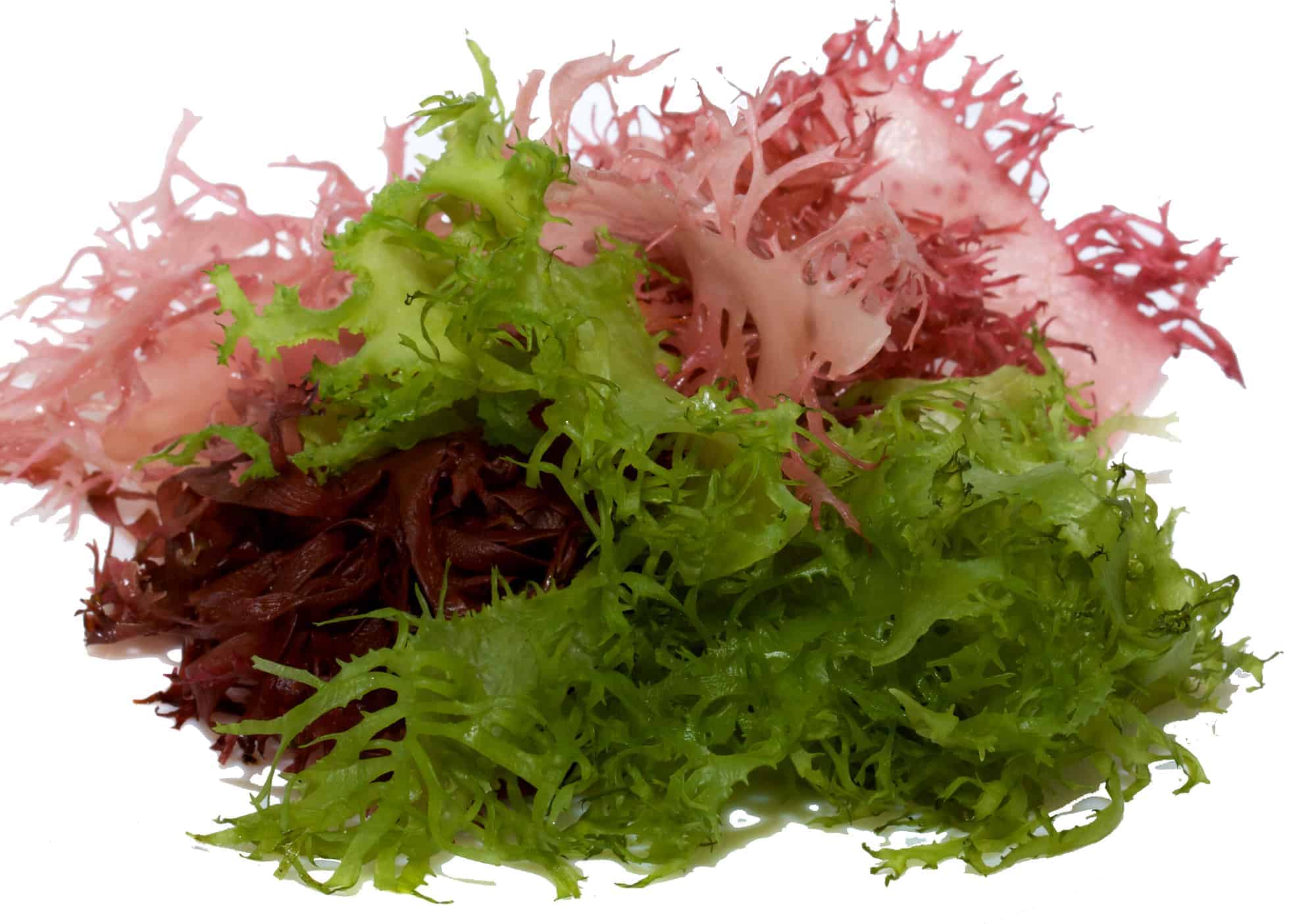
Does Seaweed Make Your Farts Smell?
Yes, it can. If your farts smell like seaweed, you probably ate lots of it. If it smells bad, this is an indicator that your gut bacteria is getting busy breaking down the fiber, so it’s not necessarily a bad thing.
Additionally, if you’ve suddenly started eating loads of fiber all the time, it will shock your bacteria, so this can cause bloating as well as smelly farts, neither of which are particularly pleasant for you. Go easy on your gut and introduce fiber gradually, for everyone’s sake (source: Gut Microbiota for Health).
Finally, here’s a little fun fact for you. If you’ve ever been near the sea, you’ll have smelled the distinct smell of seaweed and water (if you know what I’m talking about, then your farts probably smell like seaweed); this smell is produced by seaweed breaking down, creating a sulfur-like whiff that we all associate with the scent of the sea.
This sulfur (scientifically known as dimethylsulfide) is the same compound that’s present in our gut when we digest seaweed, so that’s why it smells the way it does (source: Compound Chem).
So there you have it, the all-important seaweed 101. Remember not to consume too much of it, especially if it is dried, and you should be good to go. You can eat small portions every so often and still get the rest of what it offers.
Common Questions About Seaweed And Gas
Does nori cause less gas than other seaweed?
Nori sheets are eaten in small quantities, a sheet or two around a sushi roll, so most people get far less of it in a sitting than they would from a seaweed salad. The fiber is still there, but the portion is doing most of the work.
Is dried seaweed worse than fresh for bloating?
Dried seaweed is the main culprit on the salt side, at around 312 mg of sodium per portion, and salt is what drives the bloated feeling rather than the wind. Fresh seaweed still carries the fiber, so it can make you gassy, but it is usually easier on the bloating.
How much seaweed can I eat without getting gassy?
There is no single number, because tolerance differs a lot between people. A small serve now and then, or a cup of seaweed tea a day, sits well with most people. Eating a large amount in one go, particularly dried, is where the trouble usually starts.
Why do my farts smell like the sea after eating seaweed?
Seaweed breaking down produces dimethylsulfide, the sulfur compound behind the smell you notice at the beach. The same compound is produced in your gut when you digest it, which is why the smell is so recognisable.
Is gas from seaweed a bad sign?
Generally not. Seaweed is a prebiotic fiber, meaning it feeds your gut bacteria, and the gas is a by-product of them doing that. Small amounts have been linked with better gut function. It becomes a problem when the amount is large enough to cause real discomfort.
Can seaweed help with constipation?
Small portions have been suggested to help the digestive system along, and some people find it eases both constipation and diarrhea. Large amounts tip the other way and can cause digestive distress, so this is very much a case of less doing more.
Does seaweed in supplements cause the same gas?
Kelp and seaweed supplements concentrate the same fiber and often the same iodine and sodium into a small dose, so they can produce the same effect. Supplements are also easier to overdo than food, so the label dose is worth sticking to.
I have just started eating more fiber and the gas is worse. Why?
A sudden jump in fiber gives your gut bacteria far more to work with than they are used to, and bloating and smelly wind are the usual result. Introducing it gradually over a couple of weeks gives things time to settle.
When is gas from seaweed worth seeing a doctor about?
If it persists after you have cut the portion right back, or it comes with pain, a change in bowel habit or anything that worries you, that is a conversation for your GP rather than a food question.
Where To Go Next
Working out your own tolerance for a food, rather than cutting it out, is the food side of gut health, and it is what Trish Tucker-May works on, so her page is the useful next read here. Her soothing green smoothie takes the same gentler approach to greens.
Seaweed is one of a group of foods that do this through fiber. Spinach, peanuts and kimchi are the other common ones, and the gut and digestion index has the full set answered food by food.
Keep reading: Trish Tucker-May on gut health All the gut and digestion answers on this site