
Why Am I So Bloated in Perimenopause?
The short answer
Fluctuating oestrogen and progesterone affect how much water you hold, how quickly food moves through the gut and the balance of bacteria living in it. All three can produce bloating, and in perimenopause hormone levels swing rather than simply decline, so the bloating often comes and goes unpredictably. Persistent bloating needs a doctor, not a diet change.
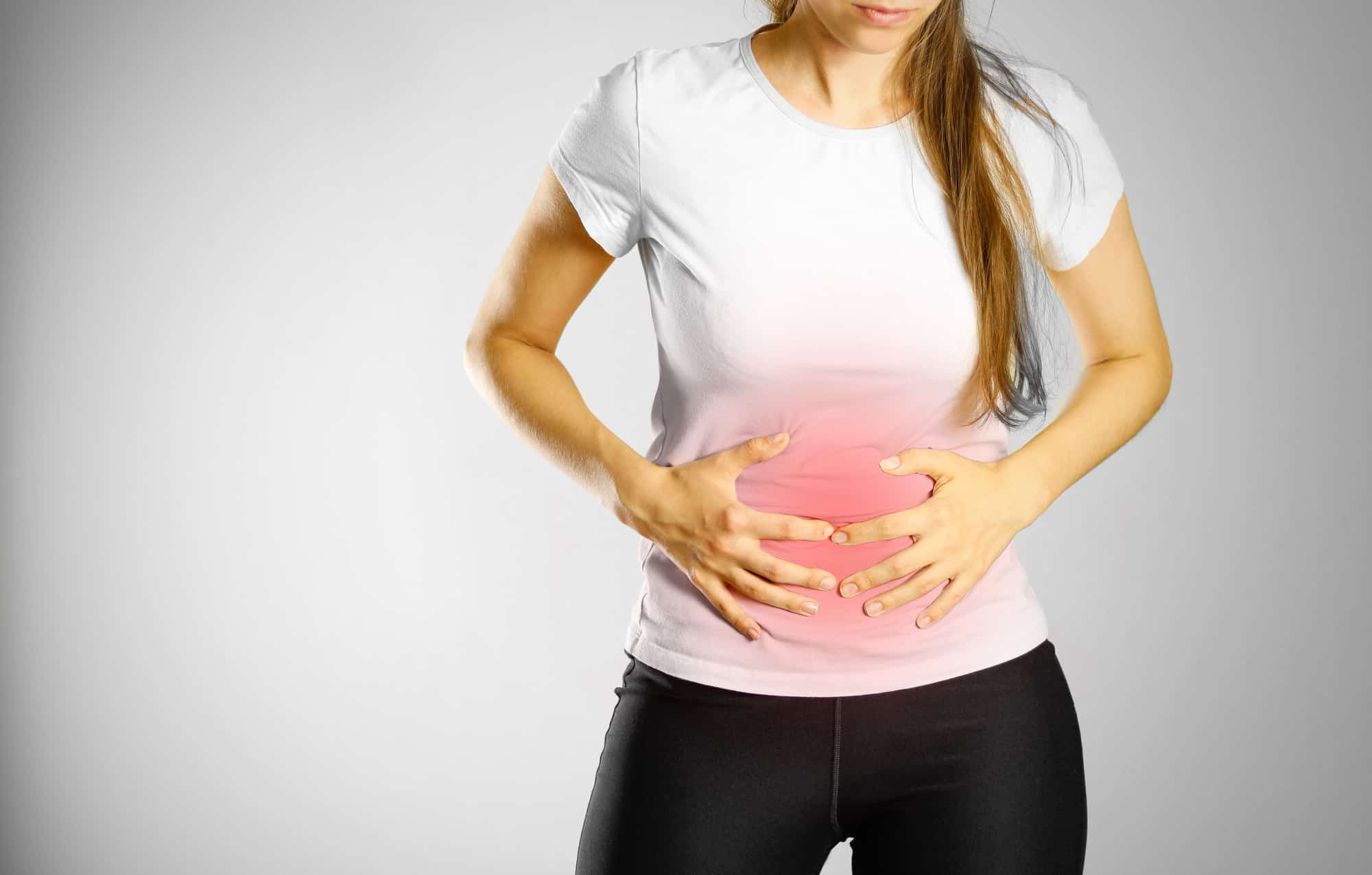
Bloating is one of the most common perimenopause complaints and one of the least talked about, partly because it is hard to describe and partly because it does not sound serious enough to raise. It is also the symptom most likely to be something other than menopause, which is why the order you check things in matters.
Start here: when is bloating not a menopause thing?
This section comes first on purpose.
See your doctor rather than adjusting your diet if bloating is persistent rather than coming and going, if it is new and has lasted more than a few weeks, or if it comes with any of: unexplained weight loss, a change in bowel habit that sticks, blood in your stool, pain that wakes you, difficulty eating or feeling full very quickly.
Persistent bloating is on the list of symptoms that warrant investigation, including for ovarian cancer, which is often missed because its early symptoms read as ordinary digestive trouble. That is not a reason to be frightened. It is a reason to get it looked at properly rather than spend three months eliminating foods.
With that said, hormonal bloating in perimenopause is real and common, and the rest of this is about that.
Why do hormones cause bloating?
Three separate routes, which is part of why it can feel relentless.
Water retention. Oestrogen influences how the body handles sodium and fluid. When levels swing upwards, many women hold more water, and that shows up as puffiness and a tight abdomen rather than as gas.
Slower gut transit. Progesterone relaxes smooth muscle, including in the digestive tract. Slower movement means more time for fermentation, which means more gas. It is the same mechanism behind pregnancy constipation.
A changing microbiome. Research increasingly links falling oestrogen to shifts in gut bacteria. A different bacterial balance ferments food differently, and gas is the by-product.
In perimenopause, hormone levels do not glide downwards. They fluctuate, sometimes wildly, which is why the bloating is unpredictable in a way it was not before.
Is it gas or is it fluid?
Worth working out, because the answers differ.
Gas tends to build through the day, gets worse after specific meals, and comes with audible gut noise or wind. Fluid tends to be there when you wake, affects your hands, ankles and face as well as your middle, and is worse in the days before a period while you are still having them.
If it is fluid, look at salt, alcohol and how much you are actually drinking, because under-drinking makes the body hold on to more. If it is gas, the food side below is where to look.
Which foods are worth checking first?
Resist cutting everything at once. That ends in a narrow diet and no information.
The usual candidates are the fermentable carbohydrates: onions, garlic, wheat, legumes, some stone fruits, and the sugar alcohols in sugar-free gum and protein bars, which are a common and overlooked culprit. Carbonated drinks add gas directly. Very high fibre intakes added suddenly will bloat almost anyone.
Test one group at a time for two weeks. If you suspect a broader pattern, a low FODMAP trial is an option, but it is genuinely difficult to do well and is best run with a dietitian rather than off an app. It is also meant to be temporary, and the reintroduction phase is the part that gives you the answer.
This site has a whole set of answers on gut and digestion if you want to work through specific foods.
Does eating more fibre help or make it worse?
Both, depending on how you do it.
Fibre helps with the slower transit that progesterone brings, and most people are not getting enough. But adding a large amount suddenly reliably produces more gas, because the bacteria that ferment it need time to adjust.
Build up over several weeks rather than several days, increase fluid at the same time, and expect a couple of uncomfortable weeks in the middle. Soluble fibre from oats, chia and psyllium is generally gentler to start with than a big jump in raw vegetables.
Does stress make bloating worse?
It does, and this is the part diet advice tends to leave out.
The gut and the brain are directly connected, and stress alters gut motility, sensitivity and secretion. Under stress, the same amount of gas is both more likely to build and more likely to be felt as painful, because the threshold for noticing it drops. That is a measured phenomenon, not a suggestion that the symptom is imaginary.
Perimenopause tends to arrive in a decade already carrying teenagers, ageing parents and work. If your bloating is worse in a bad week and better on holiday, that is information worth taking seriously rather than dismissing.
What actually helps day to day?
Nothing dramatic, and the unglamorous things have the best track record.
Eat more slowly and chew properly, because swallowed air is a genuine contributor. Keep meal times roughly regular, since the gut runs on a rhythm. Walk after eating, even ten minutes. Watch the sugar alcohols. Keep a simple log of food and symptoms for a fortnight so you have something better than memory to work from.
Registered Nutritionist Trish Tucker-May is the author of Nourish Your Gut For A Positive Menopause.
Common questions
Is perimenopause bloating the same as period bloating?
It is driven by the same hormones but behaves differently. Period bloating follows a predictable monthly pattern. Perimenopause bloating follows hormone levels that are no longer predictable, so it can arrive at any point in the cycle.
Can bloating start before any other perimenopause symptom?
It can. Digestive changes are sometimes among the earlier signs, arriving before cycle changes become obvious. That is also why it gets attributed to diet for a long time before anyone connects it to hormones.
Does hormone therapy help with bloating?
Some women report improvement and some report bloating as a side effect, particularly in the early weeks. It is a medical decision that belongs with your doctor, and a food article has no business having a view on it either way.
Should I try probiotics?
The evidence is mixed and strain specific, so the answer depends heavily on which product and which symptom. If you try one, give it at least four weeks and change one thing at a time. It is not a substitute for getting persistent symptoms checked.
Why is it worse in the evening?
Gas accumulates across the day, so an abdomen that was flat at breakfast can be genuinely distended by 8pm. That daily pattern is common and does not usually signal anything worrying on its own.
How long does perimenopause bloating last?
It varies widely between women and tends to settle once hormone levels stabilise after menopause. That is not a useful timeline when you are in the middle of it, which is why it is worth managing rather than waiting out.
Where this leaves you
Get persistent bloating checked first. Then work out whether you are dealing with gas or fluid, change one thing at a time, and give each change a fortnight.
The menopause and food guide covers the other questions that come up, and the gut and digestion answers go food by food if a specific one is under suspicion.
Nothing here diagnoses anything or replaces medical advice. If in doubt, see your doctor.
Keep reading: Meet Trish Tucker-May Menopause and food, answered question by question