
Do Olives + Olive Oil Give You Gas or Bloating?
Olives and olive oil can give you gas or bloating, even though neither has the reputation that beans do. Olives carry soluble fiber, which ferments in the gut, and both are high in fat, which slows digestion down. Stuffed olives and flavoured oils add chili and garlic on top of that, and those are gas producers in their own right.
We’ll walk you through the reasons these foods can cause gas and bloating so you can make an informed decision on whether to switch your cooking oil or stick with olive oil.
Do Green Olives Give You Gas?
Green olives are not commonly considered to be flatulence-inducing foods, but they can give some people gas.
Olives are a source of insoluble and soluble fiber. Insoluble fiber is the type of fiber our body cannot break down. Its role is to help food move along the digestive tract, but since the body cannot process it, it can’t actually create gas.
Soluble fiber can give you gas, which is why some people might notice they’re a little gassy after consuming green olives.
Common types of green olives include:
- Manzanilla
- Picholine
- Cerignola
Different olives have different nutritional breakdowns, so you might feel fine after one kind of olive but feel unsettled after consuming another. For example, Picholine olives seem to have more fiber than other kinds of green olives.
Additionally, olives are usually marinated in something or stuffed with other fruits, which can exacerbate this effect.
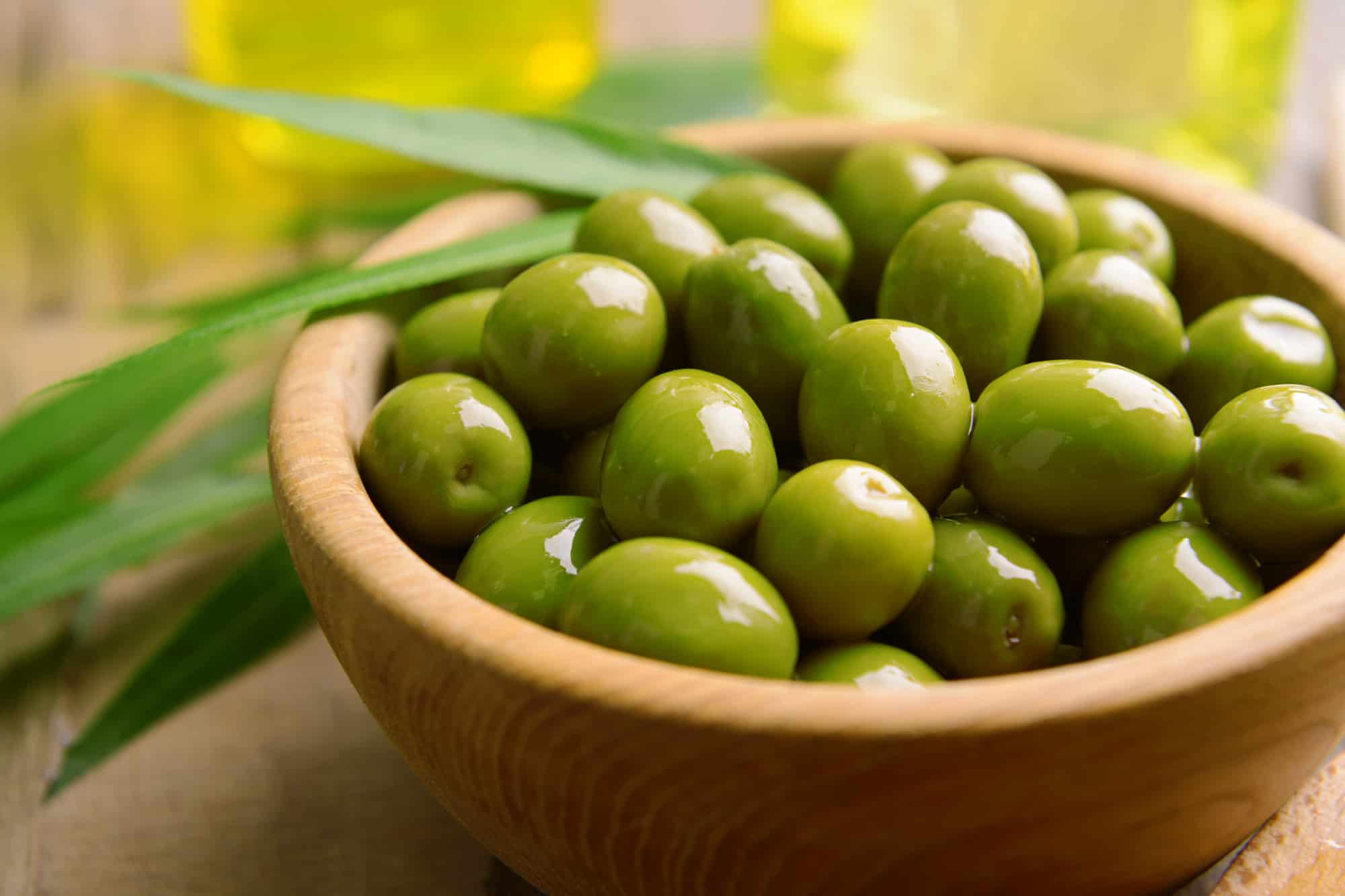
It’s common to find green olives stuffed with pimiento peppers - usually marinated in olive oil, spices, and even wine.
For some people, it's not so much the green olives causing the gas but the other ingredients.
Some people consume olives with grapes and wine. The flatulence may not be from the wine and olives but from the fructose and fiber in the grapes. There are small amounts of fructose in wine and very little fructose in olives compared to other fruits (source: Cleveland Clinic).
Fructose is a type of sugar found in fruit. While these amounts seem negligible, some people are intolerant to fructose. For those with dietary fructose intolerance, foods containing fructose can cause gas, nausea, and bloating.
Peppers and spices can also cause digestive discomfort. Pimientos, for example, are not regarded as particularly hot peppers, but they still contain capsaicin. Capsaicin, the compound that makes peppers hot, can irritate the stomach in sensitive people, which may cause gas and bloat.
Capsaicin is also found in some spices like chili powder and cayenne, which can be used in flavored olive oil or salad dressing.
Can Black Olives Give You Gas?
There are a few types of black olives, such as:
- Gaeta
- Kalamata
- French Niçoise
- Botija
Like green olives, black olives will also contain fiber, which is mostly found in the skin and seeds of the fruit. The fat in olives can contribute to gas and bloating because fatty foods digest slowly.
Black olives also have slightly different nutritional breakdowns. When it comes to fat content, there's not much difference per 15-gram serving, which is equivalent to two to three olives.
French Niçoise olives have the most fat with 3 grams. Kalamata olives contain 2.6 grams, and Gaeta contains 2.5 grams, so the difference is not significant.
Botija olives are the outlier, with 4.8 grams of fat in a 15-gram serving.
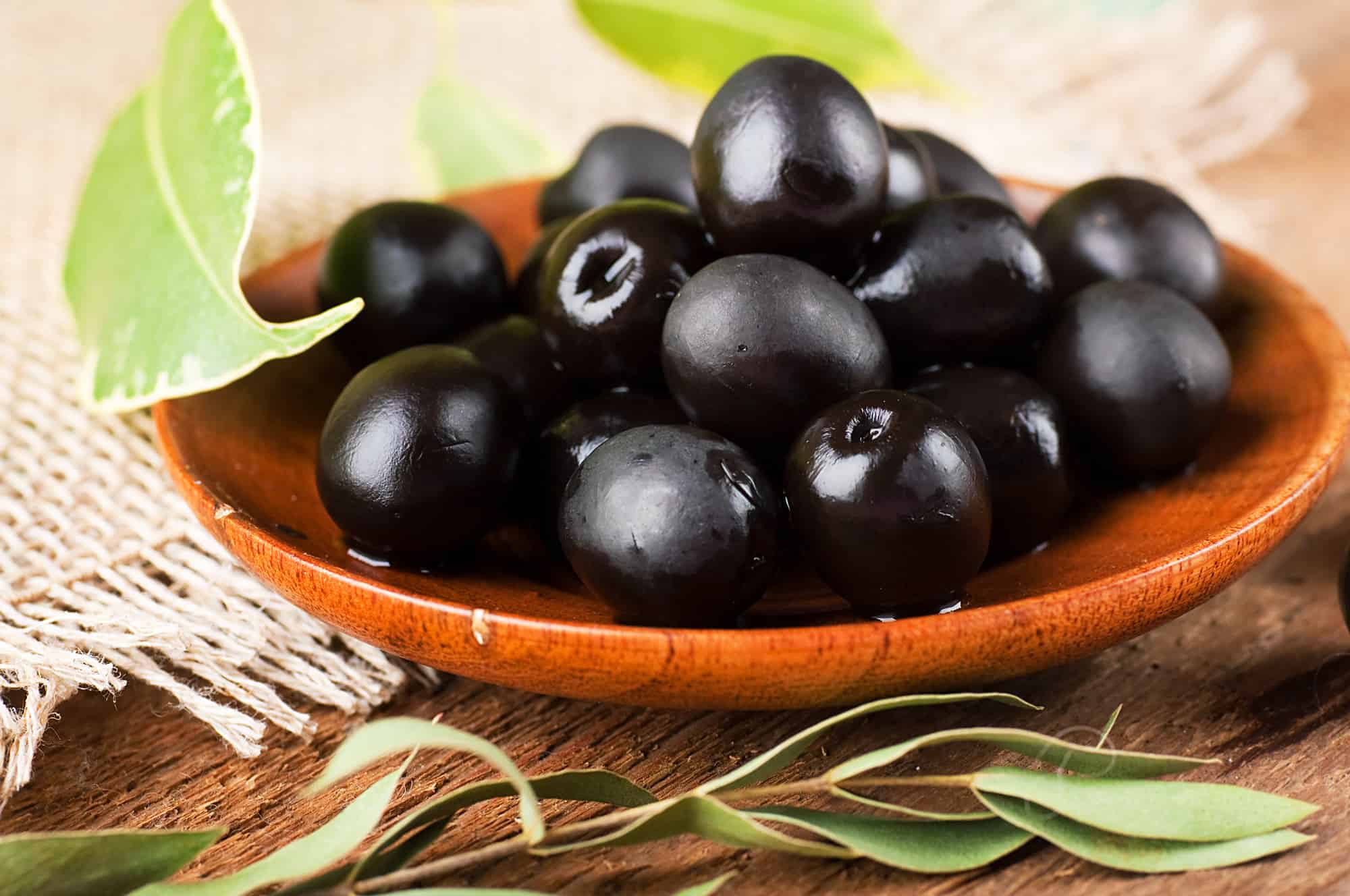
Research noted that meals containing fat resulted in more nausea, bloating, and a feeling of fullness (source: Advanced Biomedical Research). Olives are often served with olive oil, pizza, cheese, fish, and other foods and dishes that are high in fat.
Generally speaking, green olives seem to contain less fat, with a 15-gram serving of Manzanilla olives containing 2.5 grams of fat and 2 grams of fat in Picholine.
With all that said, fatty foods are not something to be afraid of. The fat in olives is mostly monounsaturated fat, particularly oleic acid.
Research has found that the benefits of olive oil include reducing the risk of cardiovascular disease, strokes, and mortality (source: Lipids in Health and Disease).
You don’t need to avoid olives altogether, but if you feel gassy after olives, try to stick to varieties that are lower in fat and fiber.
When it comes to salted dehydrated olives, it's easy to eat more because they're smaller, which means you’ve consumed more fat and fiber. Plus, the high salt content of dehydrated olives makes you retain fluid, leaving you feeling bloated. Plain sun-dried olives may be less likely to cause gas.
Can Olive Oil Cause Gas or Bloating?
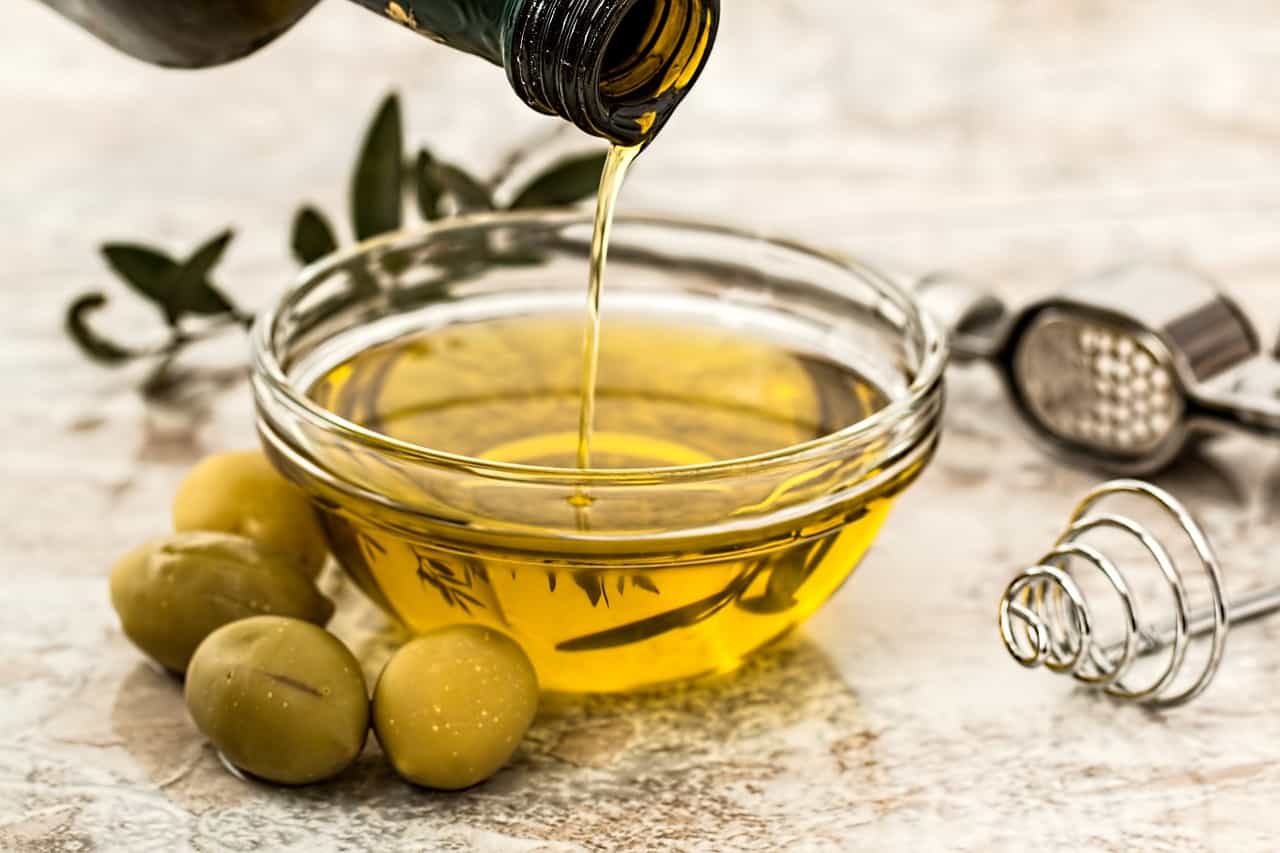
As mentioned earlier, fat can cause gas and bloat. Olive oil is notoriously high in fat.
Flavored olive oil can compound this issue. It’s not uncommon to come across garlic-flavored olive oil or chili-flavored olive oil.
Garlic contains compounds called fructans, which can cause gas (source: Current Gastroenterology Reports). Some people are intolerant to fructans, so they will be more susceptible to gas after eating food items that contain garlic.
Chili and spicy foods also trigger the release of excess stomach acid, which can result in gas, bloating, and heartburn.
Can Olives Prevent Gas Instead?
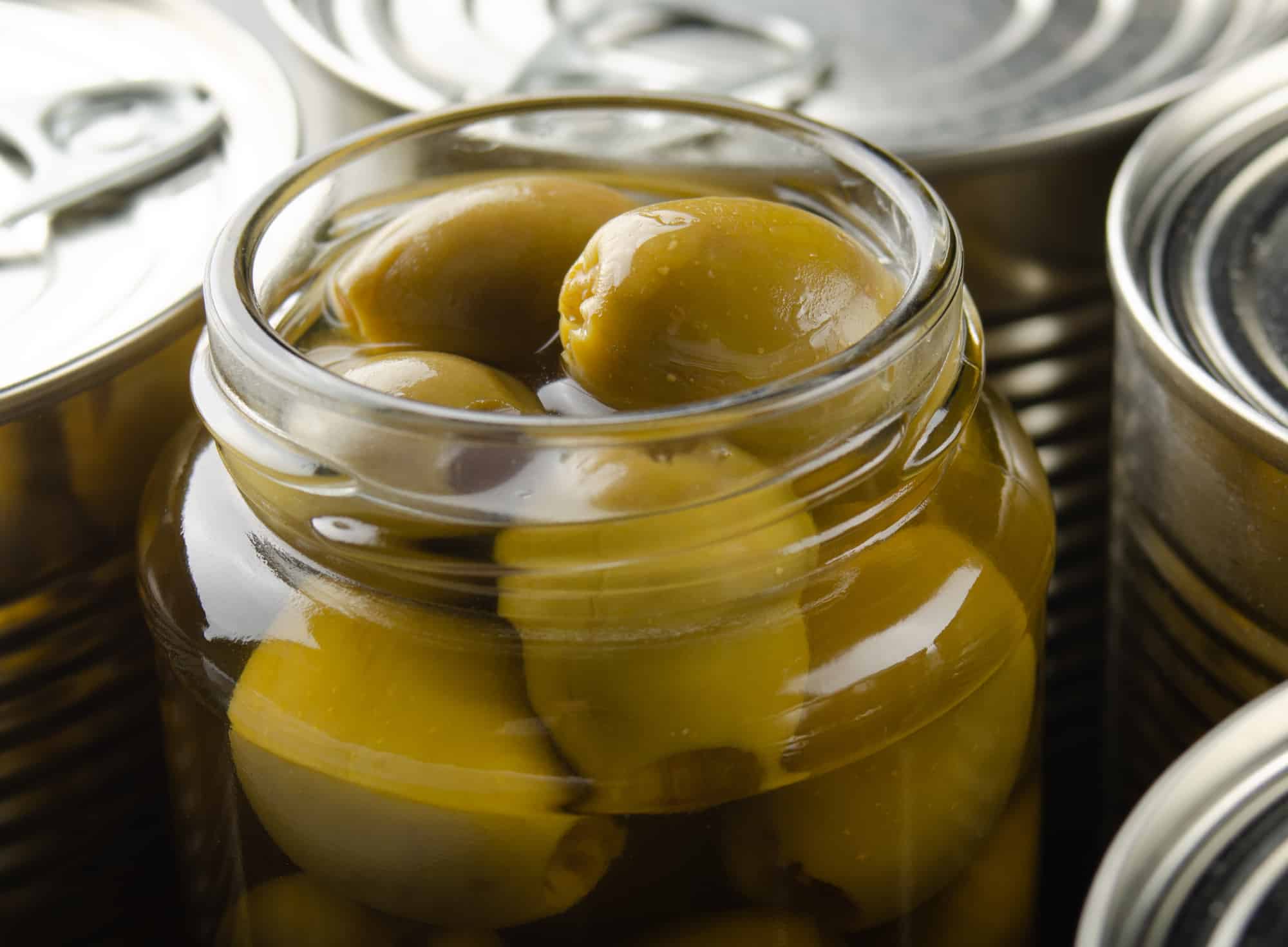
Lots of people can eat olives or olive oil and not experience gas, especially if they consume them in small amounts and stick to plain olives or unflavored olive oil.
Based on our research, olives and olive oil do not seem to prevent gas. As mentioned earlier, olives contain soluble and insoluble fiber, but these types of fiber cannot exactly cancel each other out, so the gas-causing properties of the soluble fiber will still be felt.
The fat content also seems to cause more gas than it prevents, so it’s best to stick to varieties of olives lower in fat if you’re prone to excess flatulence.
I hope this cleared up any concerns you had about olives and olive oil when it comes to gas and bloating.
Common Questions About Olives, Olive Oil And Gas
Do green or black olives cause more gas?
Neither is clearly worse. Both carry the soluble and insoluble fiber and the fat that drive the effect, and neither is traditionally thought of as a gas-causing food. What tends to matter more is how many you eat and whether they are stuffed or plain.
Are stuffed olives worse than plain ones?
Often yes, though it is the stuffing rather than the olive. Garlic, chili and blue cheese are all common fillings and all can cause gas on their own, so a stuffed olive stacks two causes into one bite. Plain olives are the fairer test if you want to know how olives themselves sit with you.
Can olive oil cause bloating on its own?
It can. Olive oil is pure fat, and fat slows the rate at which the stomach empties, which for some people reads as fullness and bloating rather than wind. A generous pour over a salad is more oil than people tend to realise.
Does flavoured olive oil cause more gas than plain?
It can, for the same reason stuffed olives do. Chili and garlic infused oils carry ingredients that produce gas in their own right, so if plain oil sits fine and the flavoured one does not, the flavouring is the obvious place to look first.
Do olives help prevent gas?
Based on the research we could find, no. Olives contain both soluble and insoluble fiber, but the two do not cancel each other out, so the gas-causing effect of the soluble fiber is still there. The fat content appears to cause more gas than it prevents.
How many olives is a reasonable serve?
There is no set figure, and tolerance varies a lot. Olives are easy to eat absent-mindedly from a bowl, so if they are giving you trouble, putting a small number on a plate rather than grazing is usually more revealing than counting.
Is it the salt in olives causing the bloating?
Olives are cured in brine and are a salty food, and salt is associated with fluid retention, which many people experience as bloating. Rinsing olives before eating them removes some of the surface brine and is worth trying.
Should I switch away from olive oil for cooking?
Not necessarily. If the fat content is what bothers you then using less of any oil is more to the point than changing which one, since the effect comes from the fat rather than from olives specifically.
When is this worth seeing someone about?
If olives and olive oil are two items on a longer list of foods causing you trouble, the pattern is more likely to be your digestion generally than any one food, and that is worth raising with a GP or a dietitian.
Where To Go Next
Fat, fiber and portion all landing in the same mouthful is the kind of thing that makes a single food hard to judge, and untangling that is what Trish Tucker-May covers on her page as the nutritionist behind the food side of this site.
If olives are one of several foods on your list, spinach, peanuts and kimchi each do it differently, and the gut and digestion index has the rest answered food by food.
Keep reading: Trish Tucker-May on gut health All the gut and digestion answers on this site