
Is 3D Printed Meat Being Sold in US Supermarkets? What the Viral Post Gets Wrong
The short answer
Yes, a 3D printed product is now in some US stores. It's Perfecta, made by Steakholder Foods. It's plant-based, made mainly from soy and wheat protein, contains no animal or lab-grown cells, and is sold as plant-based. It is not lab-grown meat, and it isn't hidden in the fresh meat case.
If you’ve landed here after seeing a post saying “the first 3D printed meat is being sold in America”, you’re not alone. A lot of people are trying to work out what it means for the meat they buy. Here’s what’s true, what isn’t, and how to check a pack for yourself.
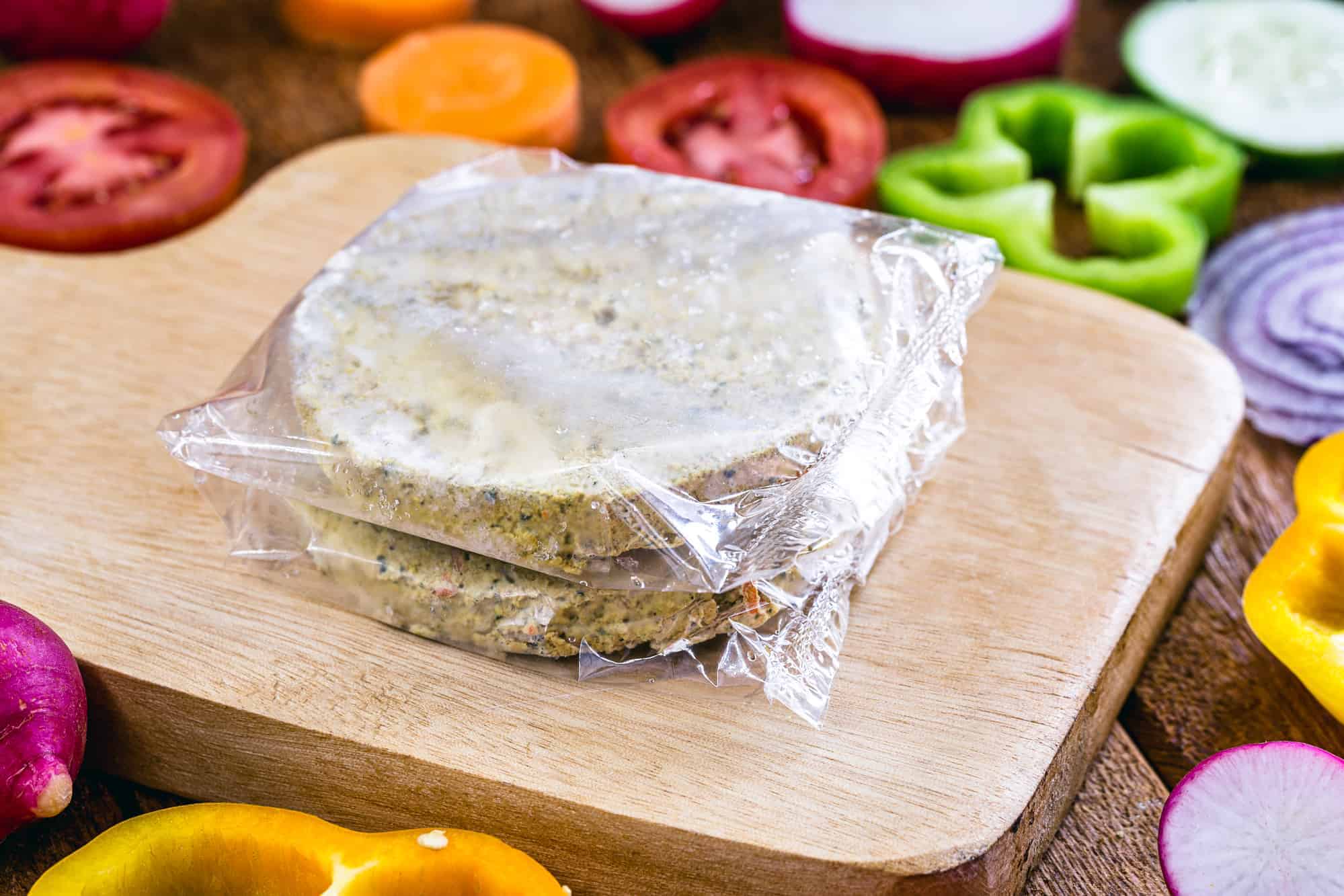
Where did the viral claim come from?
A post shared widely on 3 October 2026 said 3D printed meat is now on sale in America, that several lab-grown meat producers have already been cleared, and that no law requires the label to say the meat was printed. TikTok videos have since named Walmart and Winn-Dixie.
One part of that is true: a 3D printed product really is on some US shelves. The misleading part is the framing. Putting a 3D printed product and lab-grown meat in the same breath suggests the printed product is lab-grown animal meat. It isn’t. The product on shelves is plant-based, and it’s sold as a plant-based product rather than slipped into the beef fridge.
What’s actually on the shelves?
The product is Perfecta, from Steakholder Foods, an Israeli food-tech company. On 14 July 2026 the company said its first shipment had arrived in the US and that it would roll out across dozens of retail outlets in the Northeast through KeHE Distributors, a large natural and specialty food distributor (GlobeNewswire). It announced the retail launch on 3 September 2026 (vegconomist).
The range is five products:
- Plant-based marbled steak
- Plant-based filet mignon
- Plant-based chicken breast
- Plant-based salmon patties
- Plant-based white fish patties
The printer builds each piece up in thin layers of plant protein paste to copy the grain of muscle. Steakholder calls its meat method Fused Paste Layering and its seafood method Drop Location in Space (Quality Assurance & Food Safety).
Steakholder has not named the stores selling it, or given locations or prices (vegconomist). It has said more US regions will follow, without a timetable.
Is 3D printed meat sold at Walmart or Winn-Dixie?
We found no announcement naming either retailer, from Walmart, Winn-Dixie or Steakholder. As far as the public record shows, the rollout is in the Northeast through a specialty distributor, and Winn-Dixie trades in the Southeast.
That doesn’t mean a video is lying about what’s on the screen. It means you can check it yourself. If you see something in store that looks printed, look for the brand name Perfecta on the pack and read the ingredient list. If it says beef, chicken or pork and nothing about plants, it’s meat, however neat the layers look. Evenly layered meat is usually formed meat, which we explain in is supermarket meat 3D printed?
Is 3D printed meat lab-grown?
Not the kind you can buy. “3D printed” describes how food is shaped, not what it’s made of. A printer can be loaded with plant protein or, in theory, with cultivated animal cells. Perfecta is plant protein.
Lab-grown, or cultivated, meat is a separate thing: real animal cells grown in a tank. The viral post’s “five lab-grown producers cleared” figure is roughly right. Five companies have had US clearance: UPSIDE Foods and GOOD Meat for chicken, Wildtype for salmon, Mission Barns for pork fat and Believer Meats for chicken (National Hog Farmer). None of that makes Perfecta lab-grown. Steakholder has said it is looking at cultivated cells for future products, but the range on sale is plant-based.
| 3D printed (Perfecta) | Lab-grown (cultivated) | Plant-based (standard) | |
|---|---|---|---|
| How it’s made | Plant protein printed in layers | Animal cells grown in a bioreactor | Plant protein mixed and moulded |
| What it is | Soy and wheat protein, plus binders | Real animal meat | Soy, pea or wheat protein |
| Who regulates it | FDA, as a plant-based food | FDA, then USDA for livestock and poultry | FDA, as a plant-based food |
| How it’s labelled | Plant-based, with an ingredient list | Cell-cultivated, on a USDA-approved label | Plant-based, with an ingredient list |
There’s more on all three in 3D printed vs lab-grown vs plant-based meat.
Does 3D printed meat have to be labelled?
This is where the viral post has a point, and also where it misleads. We found no US rule requiring a pack to say “3D printed”. Printing is a shaping method, like moulding or slicing, and labels don’t generally have to name the machine.
What the pack does have to show is what the food is. Every packaged food needs an ingredient list. The FDA’s January 2025 draft guidance on plant-based alternatives recommends that the name on the front says the plant source, and that the label as a whole shouldn’t suggest animal ingredients are in it (Covington). That guidance is still a draft.
Cultivated meat sits under different rules. The FDA checks the cell-growing stage and the USDA’s Food Safety and Inspection Service handles processing and labelling for livestock and poultry (FDA). The first approved products were labelled “cell-cultivated chicken” (ABC News). A formal FSIS labelling rule for these products has been proposed but moved to the agency’s long-term agenda, so labels are approved product by product for now (Reginfo.gov).
So the label won’t say “printed”, but it will tell you whether you’re buying plants or animal cells.
How can you tell if meat is 3D printed?
Four things to check in the store:
- The brand. Perfecta is the only 3D printed whole cut we know of on US shelves.
- The front of the pack. Look for “plant-based” in the product name.
- The ingredient list. Perfecta lists plant proteins such as soy or wheat protein, and every product in the range contains methylcellulose, a common plant-based binder (Green Queen).
- Where it’s stocked. Plant-based products are usually kept in their own section rather than in the fresh meat case. If in doubt, ask the staff.
What is 3D printed meat made of?
According to Green Queen, Perfecta’s steak and filet mignon are made from soy protein. The chicken breast combines wheat protein, wheat flour, soy protein and soy fibre. The fish patties use soy protein, rice flour and potato starch. That means soy and wheat, both common allergens, and the wheat means the chicken breast isn’t gluten free.
The marbled steak has 26 g of protein and 10 g of fibre in a 250 g serve. The filet mignon has 18 g of protein and 5 g of fibre in 130 g. There’s a closer look at the range in Perfecta 3D printed steak: what’s in it.
Is 3D printed meat safe to eat?
Printing changes the shape of food, not what’s in it. Perfecta is sold under the same US rules as other plant-based foods. The wider safety and regulation questions are covered in what is 3D printed meat and is it safe to eat.
FAQ
Is 3D printed meat being sold in the US?
Yes. Steakholder Foods’ Perfecta range went on sale in Northeastern US stores in September 2026. It’s plant-based, not animal meat.
Is 3D printed meat lab-grown?
The 3D printed product on US shelves is not. Perfecta contains no animal cells. Lab-grown meat is a separate product with its own approvals and labels.
Is 3D printed meat sold at Walmart?
We found no announcement naming Walmart or Winn-Dixie. Steakholder hasn’t named any of the stores stocking Perfecta. The store-by-store answer has the detail.
Does 3D printed meat have to be labelled as 3D printed?
We found no US rule that requires it. The label does have to list the ingredients, and a plant-based product shouldn’t be labelled in a way that suggests it contains meat.
What is Perfecta meat?
A range of five 3D printed plant-based products from Steakholder Foods: marbled steak, filet mignon, chicken breast, salmon patties and white fish patties.
Where can I buy Perfecta?
In some stores in the Northeastern US, supplied through KeHE Distributors. Steakholder hasn’t published a store list, so check with natural and specialty grocers in that region. We’ve set out what is and isn’t confirmed, in the US and Australia, in where to buy 3D printed meat.
Perfecta 3D printed steak: what's in it · Is supermarket meat 3D printed? · How to tell if meat is 3D printed, plant-based or lab-grown
Sources
- GlobeNewswire, Steakholder Foods Commences U.S. Market Entry of Perfecta Premium Plant-Based Meat, 14 July 2026
- vegconomist, Steakholder Foods Starts U.S. Retail Sales With Five-Product Perfecta Range, September 2026
- Green Queen, Steakholder Foods Rolls Out 3D-Printed Whole-Cut Meat at US Supermarkets, September 2026
- Quality Assurance & Food Safety, Steakholder Foods Brings 3D-Printed Plant-Based Delicacies to the U.S.
- National Hog Farmer, Fifth cultivated meat company gains FDA approval
- Covington, FDA Issues Draft Guidance on the Labeling of Plant-Based Foods, January 2025
- FDA, Formal Agreement Between FDA and USDA Regarding Oversight of Human Food Produced Using Animal Cell Technology
- ABC News, USDA approves first-ever cell-cultivated meat, June 2023
- Reginfo.gov, Labeling of Meat and Poultry Products Made Using Animal Cell Culture Technology (RIN 0583-AD89)
Related
Start with the guide: 3D printed meat: the plain-English guide
- Perfecta 3D-printed steak: what is in it?Perfecta is a plant-based range made mainly from soy and wheat protein and printed in layers. It is not real meat and it is not grown from animal cells.
- 3D printed vs lab-grown vs plant-based meat3D printing is a way of shaping food, not an ingredient. The printer can be loaded with plant protein or with cultivated animal cells, and most of what you can buy today is plant-based.
- Is supermarket meat 3D printed?No. There is no evidence that any major supermarket sells 3D printed animal meat. A steak with even layers is far more likely to be formed meat, and in the US the label has to say so.
Also on Cuisine Seeker: Why do I crave sugar at night?