
Perfecta 3D-Printed Steak: What's In It, and Is It Real Meat?
Perfecta is a range of 3D-printed steaks, chicken breasts and fish patties made by Steakholder Foods, an Israeli company. It is not real meat and it isn’t grown from animal cells. It’s plant-based, made mainly from soy and wheat protein, and printed in layers to copy the grain and marbling of a whole cut. It went on sale in stores across the Northeastern US on 3 September 2026.
That last part is the news. For years, “3D-printed meat” was mostly lab demos and rumours. We wrote about the rumours in Is supermarket meat 3D printed? Perfecta is the first 3D-printed whole cut most American shoppers can actually pick up off a shelf.
Seen the viral post about 3D printed meat in US stores? Here's the fact check.
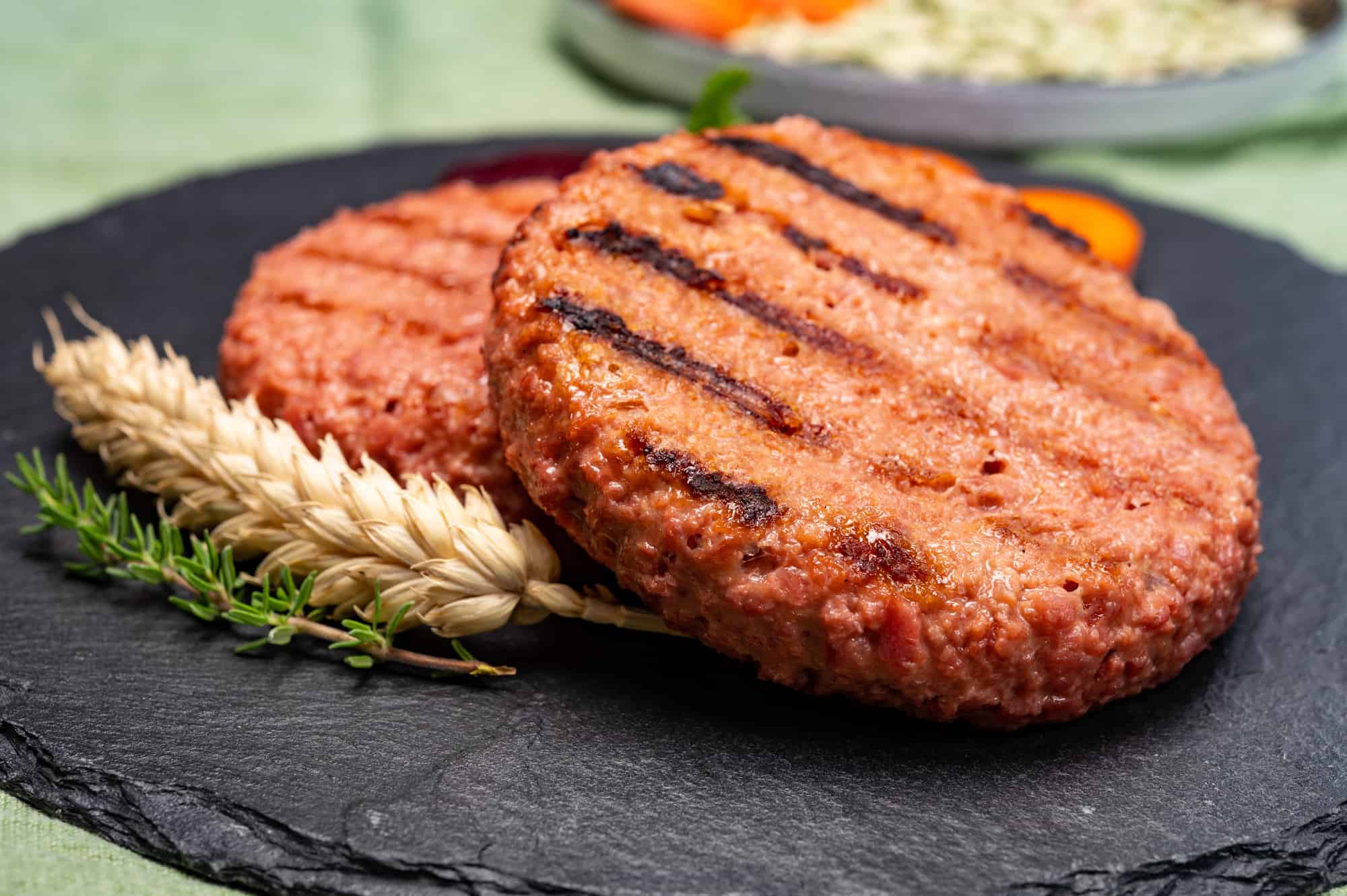
What’s in the Perfecta range?
Five products launched:
- Plant-based marbled steak
- Plant-based filet mignon
- Plant-based chicken breast
- Plant-based salmon patties
- Plant-based white fish patties
The base is soy protein and wheat protein with other plant ingredients. Check the pack for the full list. Recipes can change, and the label is the only version that counts.
What are the nutrition numbers?
Steakholder’s published figures:
- Marbled steak: 26 g protein and 10 g fibre per 250 g serve
- Filet mignon: 18 g protein and 5 g fibre per 130 g piece
- Chicken breast: 18 g protein and 4.5 g fibre per 130 g serve
- Seafood patties: 4 to 5 g protein and 2 to 4 g fibre per 50 g patty
For comparison, 250 g of cooked beef steak has well over 26 g of protein and no fibre at all. So Perfecta is lower in protein than the real thing, gram for gram, but brings fibre that meat doesn’t.
Is it real meat?
No. This is where people get confused, because there are three different things all being called “new meat”:
- Plant-based meat is made from plants. Perfecta, Beyond and Impossible are all in this group.
- Lab-grown (cultivated) meat is real animal cells grown in a tank. Several US states have banned it.
- 3D printing is just a way of shaping food. You can print plants or cultivated cells.
Perfecta is plant-based food that happens to be 3D printed. Because it contains no animal cells, the state bans on lab-grown meat don’t apply to it. We go through the full difference in 3D printed vs lab-grown vs plant-based meat.
Why 3D print it at all?
Texture. Most plant-based meat is ground: burgers, mince, nuggets, sausages. Whole cuts like a steak or a chicken breast are much harder, because real muscle has long fibres and streaks of fat running through it. A printer lays down protein and fat in thin, controlled layers, so it can build in fibre direction and marbling that a mould can’t. Steakholder’s argument is that taste and texture are what stop people buying plant-based meat a second time, and printing is how it plans to fix that.
The machines are quick, too. The company says its meat printer turns out about 420 kg an hour, which is what makes supermarket volumes possible.
Is 3D-printed steak safe to eat?
Printing doesn’t change what’s in the food. It changes the shape. Perfecta is a plant-based food sold under the same US food rules as any other, so it’s as safe as its ingredients. Two things to watch: it contains soy and wheat, both common allergens, and wheat means it isn’t gluten free. Our main piece on whether 3D printed meat is safe to eat covers the wider safety and regulation questions.
Can a child eat 3D-printed meat?
This is one of the fastest-rising searches on the topic. For Perfecta, the question is really “can a child eat a plant-based meat alternative”, because that’s what it is. The things to check are the same as for any processed food: allergens (soy and wheat), salt content on the nutrition panel, and whether it fits the rest of their diet. If your child has allergies or a special diet, ask your GP or a dietitian before swapping it in for meat.
Where can you buy Perfecta?
For now, only in the Northeastern US. Steakholder is selling through KeHE, a large natural and specialty food distributor, so look in independent and natural grocers rather than the big chains. The company has said the Northeast is “just the beginning” and plans to expand to other regions. It isn’t sold in Australia, the UK or Canada yet. Pricing hasn’t been published.
How do you cook it?
Follow the pack. As a general rule, plant-based whole cuts do best with high heat and a short cook: a hot pan or grill to get a crust, then rest briefly. They don’t need cooking through for safety the way chicken does, and overcooking dries them out fast.
FAQ
Who makes Perfecta?
Steakholder Foods, an Israeli food-tech company founded in 2019, formerly called MeaTech.
Is Perfecta vegan?
It’s sold as plant-based. Check the ingredient list on the pack to confirm it suits a vegan diet.
Is Perfecta lab-grown meat?
No. It contains no animal cells. It’s plant protein shaped by a 3D printer.
When did Perfecta launch in the US?
3 September 2026, in Northeastern US stores.
Is 3D printed meat sold in Australia?
Not Perfecta, not yet. See Is supermarket meat 3D printed? for what is on shelves in Australia and the UK.
What Is 3D Printed Meat and Is It Safe to Eat? · 3D printed vs lab-grown vs plant-based meat · How to tell what is on the pack
Sources: Steakholder Foods press release via GlobeNewswire, 3 Sep 2026; Green Queen, “Steakholder Foods rolls out 3D-printed whole-cut meat at US supermarkets”, 4 Sep 2026; FoodIngredientsFirst, 21 May 2026.
Related
Start with the guide: 3D printed meat: the plain-English guide
- Is 3D printed meat being sold in US supermarkets?Yes, one 3D printed product is in some US stores. It is Perfecta, from Steakholder Foods, and it is plant-based, not lab-grown.
- 3D printed vs lab-grown vs plant-based meat3D printing is a way of shaping food, not an ingredient. The printer can be loaded with plant protein or with cultivated animal cells, and most of what you can buy today is plant-based.
- How to tell if meat is 3D printed, plant-based or lab-grownYou cannot tell by looking at it. The pack tells you, so check the brand, the product name and the ingredient list.
Also on Cuisine Seeker: Why do I crave sugar at night?