
What Is 3D Printed Meat and Is It Safe to Eat?
3D printed meat is food built up in layers by a printer, from plant protein or from animal cells grown in a lab rather than on an animal. In the United States the only 3D printed meat in shops is plant-based, Steakholder Foods’ Perfecta range, on sale in the Northeast since September 2026. Cell-based meat is regulated jointly by the FDA and USDA-FSIS, and the few products cleared so far have reached only a handful of restaurant menus.
What follows is how the printing works, how safety is checked, where lab-grown meat is and isn’t approved, what it costs, and what the environmental claims really rest on.
Seen the viral post about 3D printed meat in US stores? Here's the fact check.
The first 3D-printed whole-cut steak is now on US shelves. Here's what's in Perfecta, and how 3D-printed, lab-grown and plant-based meat differ.
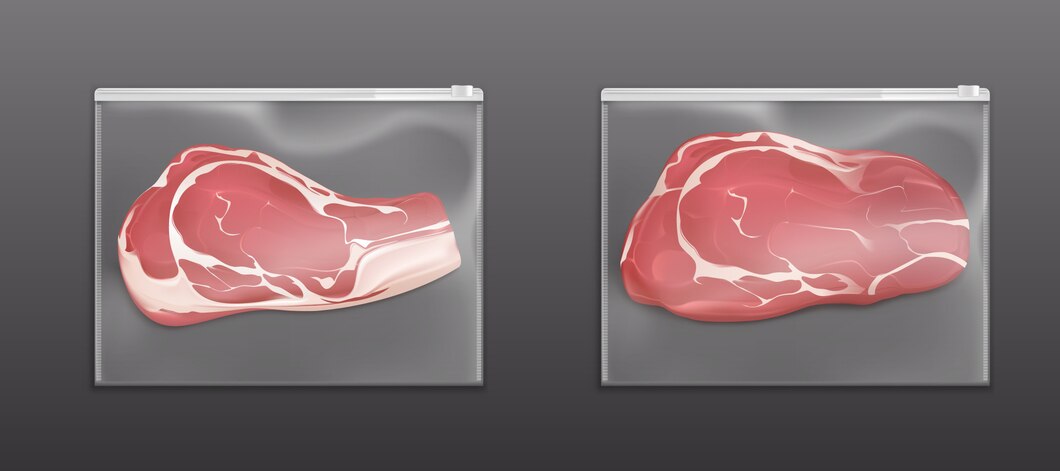
What is 3D printed meat, exactly?
“3D printed meat” describes how the food is shaped, not what it is made from. A food printer pushes a paste through a nozzle and lays it down layer by layer, the way a plastic 3D printer builds an object. Printing lets a maker place “muscle” and “fat” exactly where they want them, so the result looks and cuts more like a steak or a fillet than a burger patty does.
What goes into the printer is the important part, and there are two very different things sold under the same label.
| 3D printed plant-based meat | Cultivated (lab-grown) meat | |
|---|---|---|
| Made from | Plant proteins such as soy and wheat, plus fats and flavourings | Real animal cells grown in tanks called bioreactors |
| Printed? | Yes, that’s how the cut is shaped | Sometimes. Most cultivated products so far are minced, fat or formed, not printed |
| Contains animal products? | No | Yes, it is animal meat grown without the animal |
| Vegan or vegetarian? | Usually vegan | No |
| Regulated as (US) | An ordinary packaged food | A food from cultured animal cells, reviewed by the FDA and inspected by USDA-FSIS |
| Where you can buy it (2026) | US supermarkets in the Northeast (Perfecta) | A few restaurants in the US, Singapore and Australia |
| Example | Steakholder Foods Perfecta steak | UPSIDE Foods chicken, Vow cultured quail |
So when someone asks whether 3D printed meat is safe, the honest first question is which one they mean. The plant-based kind is a processed plant food. The lab-grown kind is new, and that’s where the extra safety review comes in.
Is 3D printed meat safe to eat?
The plant-based 3D printed meat on US shelves is made from familiar food ingredients, so it is covered by the same food safety rules as any other packaged food. The printing itself is a way of shaping a paste, a bit like piping. It doesn’t create a new safety risk, although, as with any processed food, people with soy or wheat allergies need to read the label.
Cultivated meat goes through a dedicated review before it can be sold. In the US, the FDA and USDA agreed in 2019 to oversee it jointly. The FDA reviews how the cells are collected, banked and grown. Once the cells are harvested, USDA-FSIS takes over for poultry and livestock products, inspecting the plant and approving the label. Seafood stays with the FDA.
At an international level, the UN’s Food and Agriculture Organization and the World Health Organization published their first report on the safety of cell-based food in 2023. Their expert panel found that most of the hazards they identified also apply to ordinary food, and said the attention should go on the materials, inputs and equipment specific to growing cells, such as the growth medium and the risk of contamination in the bioreactor.
In Australia and New Zealand, Food Standards Australia New Zealand assessed Vow’s cultured quail as a novel food under application A1269 before approving it. That review is described in more detail below.
Is 3D printed meat sold in supermarkets?
Plant-based 3D printed meat is, in a small way. On 3 September 2026 Steakholder Foods launched its Perfecta range in stores across the Northeastern United States, distributed by KeHE. The five products are printed from plant protein, not animal cells. More in Perfecta 3D-printed steak: what’s in it.
Lab-grown meat is a different story. FoodNavigator’s February 2026 roundup of global regulation found that cultivated meat remains largely absent from grocery stores, and put that down to scale, cost and company strategy rather than the rules. Where it is on sale, it is mostly on a few restaurant menus.
If you’ve seen a viral video claiming your supermarket steak is secretly 3D printed, we looked into where that came from and how to read the label.
Where is lab-grown meat approved?
As of October 2026, a small group of countries has cleared cultivated meat for sale. These are the approvals we could confirm.
| Country | What’s approved | When | Notes |
|---|---|---|---|
| United States | Five products: UPSIDE Foods chicken, GOOD Meat chicken, Mission Barns pork fat, Wildtype salmon, Believer Meats chicken | 2022 to 2025 | All passed FDA pre-market consultation. Believer Meats shut down in December 2025 |
| Singapore | Three products: GOOD Meat chicken, Vow quail, Parima chicken | 2020, 2024, 2025 | First country to approve cultivated meat. Parima has since reported a further approval for duck |
| Australia and New Zealand | Vow cultured quail | Approved March 2025, gazetted June 2025 | Sold in restaurants under the Forged brand |
| Israel | Aleph Farms beef | Approved | Israel runs its own approval process |
| European Union | None yet | Pending | Gourmey applied in July 2024 and Mosa Meat in January 2025. Italy has banned it |
| Japan | None yet | Under development | Draft safety guidelines published in June 2026 |
The Australian approval is the one most readers here will care about. Vow, a Sydney company, applied to FSANZ in 2022 under application A1269. The FSANZ Board approved cultured quail on 26 March 2025, food ministers were notified on 7 April 2025, and the change to the Food Standards Code was gazetted on 18 June 2025. It was the first approval under the novel foods standard for a cell-cultured food. From July 2025 it appeared on menus at selected restaurants in Sydney and Melbourne, including Bottarga and The Lincoln in Melbourne and Nel and The Waratah in Sydney, as a parfait-style product.
Which US states have banned lab-grown meat?
Federal clearance doesn’t mean cultivated meat can be sold everywhere in the US. Seven states have banned its sale, according to Food Safety Magazine and Penn State’s Center for Agricultural and Shellfish Law.
| State | Ban | Status |
|---|---|---|
| Florida | Signed May 2024 | Permanent |
| Alabama | 2024 | Permanent |
| Mississippi | March 2025 | Permanent |
| Montana | 2025 | Permanent |
| Nebraska | 2025 | Permanent |
| Indiana | May 2025 | Two-year ban |
| Texas | From 1 September 2025 | Expires in 2027 |
None of these bans affects plant-based 3D printed meat like Perfecta, which contains no animal cells.
How much does 3D printed and lab-grown meat cost?
The first cultivated beef burger, developed by Mark Post at Maastricht University and tasted in London in August 2013, cost about €250,000 (around US$330,000) to make, funded by Google co-founder Sergey Brin. Costs have fallen a long way since, but cultivated meat is still not priced to compete with farmed meat on a supermarket shelf, which is part of why it remains a restaurant product.
Growing cells needs sterile bioreactors, a nutrient-rich growth medium and careful monitoring, and those inputs are the main costs.
Is 3D printed meat better for the environment?
That depends on what it’s made from and how it’s made, and the honest answer is that it isn’t settled.
Farmed animals are a large source of greenhouse gases. The UN’s Food and Agriculture Organization estimated in 2013 that livestock accounted for 14.5 per cent of human-caused emissions, and its 2023 report put livestock agrifood systems at about 12 per cent. The two figures use different methods, so they shouldn’t be read as a trend, but either way livestock is a big share.
For plant-based printed meat, the case is fairly simple: making food directly from plants avoids the animal stage. For cultivated meat it’s less clear. A 2023 University of California, Davis study, published as a preprint, estimated that if the growth medium has to be purified to pharmaceutical standards, cultivated meat could produce 4 to 25 times more emissions per kilo than retail beef. That is one scenario, not a final verdict, and the industry disputes it, but it’s a reason to be wary of headline claims that lab-grown meat is automatically greener.
Earlier versions of this page repeated figures like “90 per cent fewer emissions” without saying where they came from. We’ve removed them.
Is 3D printed meat healthier than regular meat?
Not automatically. The nutrition of a printed product depends entirely on its recipe. Plant-based printed meat is a processed food built from plant protein, oil, binders and flavourings, so its protein, fat, salt and fibre vary from brand to brand. Read the nutrition panel the same way you would for any plant-based burger. Our look at what’s in plant-based burgers covers the common ingredients.
Cultivated meat is animal meat grown from cells, so in principle it is similar to the meat it copies, but there is very little published nutrition data for the few products cleared so far, and no long-term research on people eating it. Claims that 3D printed meat lowers your risk of heart disease, diabetes or cancer aren’t supported by any study of these products, and we don’t make them.
Who is making 3D printed and cultivated meat?
- Steakholder Foods (Israel, formerly MeaTech) prints the plant-based Perfecta range sold in the US Northeast since September 2026.
- UPSIDE Foods (US, formerly Memphis Meats) was first to clear FDA review for cultivated chicken, in November 2022, followed by a USDA grant of inspection in June 2023.
- GOOD Meat (US, part of Eat Just) won the world’s first approval, in Singapore in 2020, and US clearance for chicken in 2023.
- Mission Barns (US) was cleared by the FDA for cultivated pork fat in March 2025.
- Wildtype (US) was cleared by the FDA for cultivated coho salmon in May 2025.
- Vow (Australia) makes cultured quail, approved in Singapore in 2024 and in Australia and New Zealand in 2025.
- Mosa Meat (Netherlands), co-founded by Mark Post, has an application pending in the EU.
- Aleph Farms (Israel) has approval for cultivated beef in Israel.
Impossible Foods and Beyond Meat often get lumped in with 3D printed meat, but they make plant-based meat shaped by conventional processing, not by a printer and not from animal cells.
What happens next for 3D printed meat?
Three things will decide how far it goes. The first is cost: cultivated meat has to get much cheaper to leave the restaurant niche. The second is regulation, which is still patchy, with approvals in a few countries, applications pending in the EU and outright bans in Italy and seven US states. The third is whether shoppers want it. Printing a convincing whole cut from plants is now a commercial product; printing one from cultivated cells is still mostly in development.
For now, if you see “3D printed meat” in a US shop, it is plant-based. If you eat lab-grown meat, in 2026 it will most likely be at a restaurant.
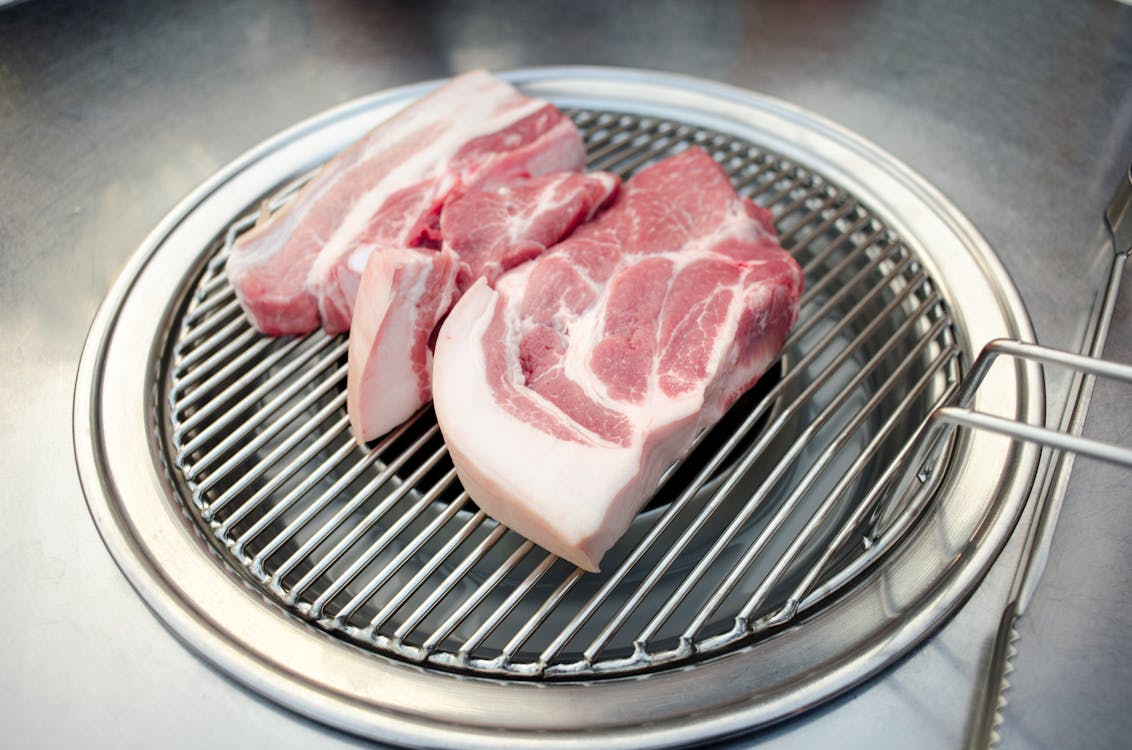
The first 3D-printed whole-cut steak is now on US shelves. Here's what's in Perfecta, and how 3D-printed, lab-grown and plant-based meat differ.
FAQs About 3D Printed Meat
Can 3D printers create meat?
Yes. A 3D printer can build meat from plant protein or from animal cells grown in a lab. The 3D printed meat you can buy today, such as Steakholder Foods’ Perfecta range, is plant-based. Printing with cultivated animal cells is still being developed and is not on shelves.
Is lab-grown meat the same as 3D printed meat?
No. Lab-grown, or cultivated, meat describes what the meat is made from: animal cells grown outside the animal. 3D printing describes how food is shaped. A product can be one, the other, both or neither, which is why the two terms get mixed up.
Is 3D printed meat vegan?
Plant-based 3D printed meat, like Perfecta, is made from plant protein and is usually vegan, though it’s worth checking the ingredient list. Cultivated meat is not vegan or vegetarian, because it is grown from animal cells.
Is 3D printed meat genetically modified?
Not by definition. Printing is only a way of shaping food. Plant-based products may or may not use genetically modified soy, depending on the brand and country. Some cultivated meat cell lines are modified to keep growing and some aren’t. In the US, the FDA reviews the cell line as part of its pre-market consultation either way.
Can you buy lab-grown meat in Australia?
Not in shops. Vow’s cultured quail is the only cultivated meat approved in Australia and New Zealand, and since July 2025 it has been served at selected restaurants in Sydney and Melbourne under the Forged brand.
How do you know if meat is lab-grown?
In the US, labels for cultivated meat are approved by USDA-FSIS product by product, and approved products have used terms like “cell-cultivated chicken”. Our fact check on 3D printed meat in US supermarkets covers how labelling currently works.
For a wider look at meat alternatives, see how long plant-based meat lasts.
Next read: 3D printed vs lab-grown vs plant-based meat, side by side.
Sources
- A1269 Cultured Quail as a Novel Food, Food Standards Australia New Zealand
- First cell-cultured food approved by FSANZ Board, Food Standards Australia New Zealand
- Human food made with cultured animal cells inventory, US Food and Drug Administration
- USDA and FDA announce a formal agreement to regulate cell-cultured food products, US Department of Agriculture
- Where countries stand on cultivated meat regulation in 2026, FoodNavigator
- Food safety aspects of cell-based food, FAO and WHO
- Steakholder Foods launches Perfecta at retail outlets across the Northeastern U.S., GlobeNewswire
- Tackling climate change through livestock, Food and Agriculture Organization of the United Nations
- Lab-grown meat's carbon footprint potentially worse than retail beef, University of California
- Texas becomes seventh state to ban cultivated meat, Food Safety Magazine
- The status of cell-cultured meat regulations, Penn State Center for Agricultural and Shellfish Law
- Vow's cultured quail approved by FSANZ, Green Queen