
3D Printed Meat vs Lab-Grown Meat vs Plant-Based: What's the Difference?
Plant-based meat is made from plants. Lab-grown meat, also called cultivated meat, is real animal meat grown from cells instead of a whole animal. 3D-printed meat isn’t a third ingredient at all: it’s a way of shaping food, and the printer can be loaded with either plant protein or cultivated cells. Most of the 3D-printed “meat” you can buy today is plant-based.
The three get lumped together in headlines, which is why so many people searching “3d printed meat” end up confused. Here is each one in plain terms.
Seen the viral post about 3D printed meat in US stores? Here's the fact check.
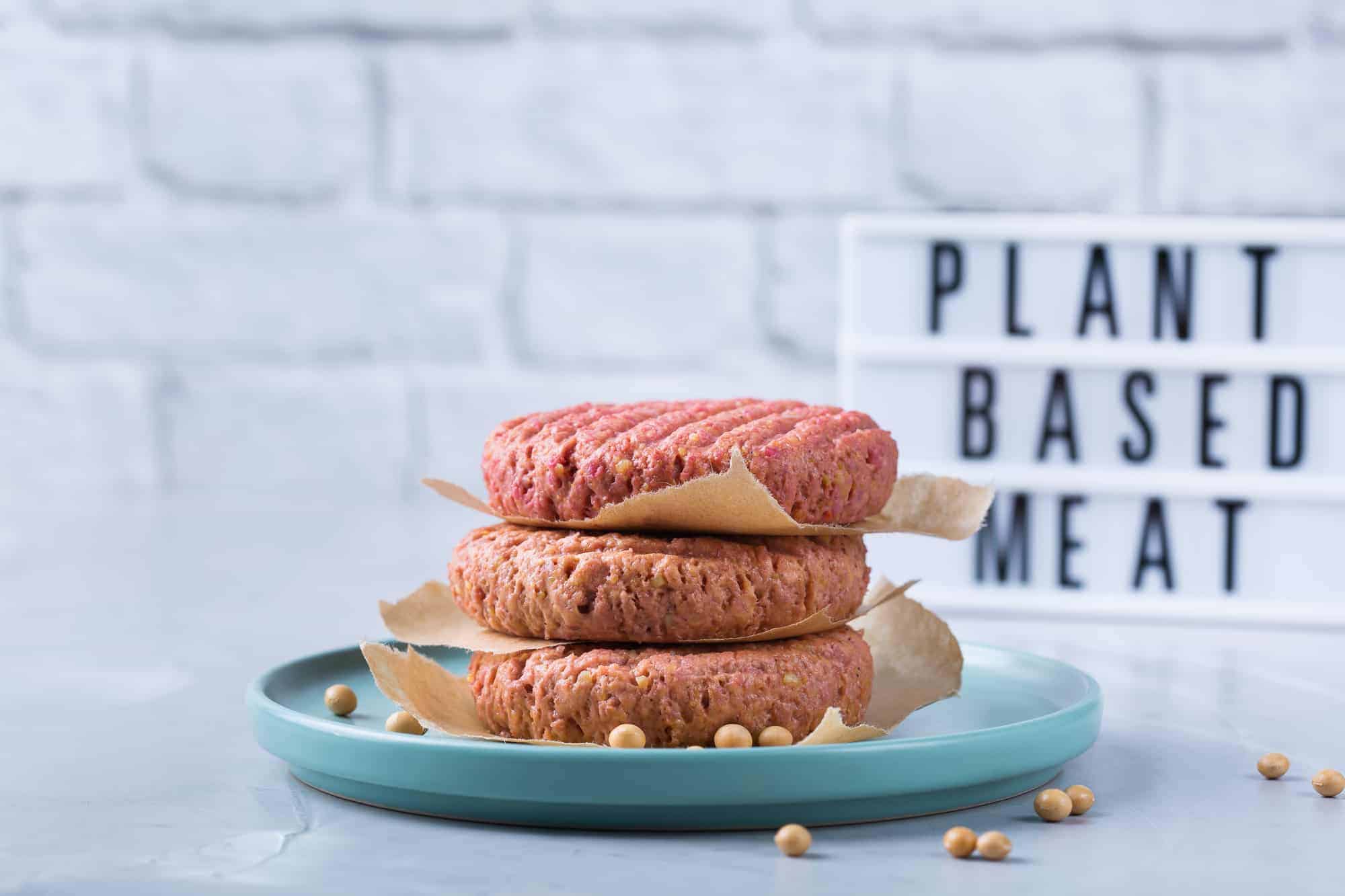
What is plant-based meat?
Food made from plant proteins, usually soy, wheat or pea, with fats, flavours and binders added to copy the taste and texture of meat. Beyond Meat and Impossible Foods are the best-known brands. It’s been in supermarkets for years, it contains no animal products, and it’s regulated like any other processed food.
What is lab-grown (cultivated) meat?
Real animal cells, taken from a living animal or a cell bank, fed nutrients and grown in large steel tanks called bioreactors. The result is animal meat at the cellular level, without raising and slaughtering the animal. It isn’t vegan or vegetarian, because it is meat.
In the US it needs sign-off from the FDA, and from the USDA for livestock and poultry. Products cleared so far include chicken from UPSIDE Foods and GOOD Meat, salmon from Wildtype, and pork fat from Mission Barns. Singapore was the first country to approve cultivated meat for sale, in 2020. Food Standards Australia New Zealand has completed a safety review too.
Even where it’s legal, you’ll struggle to find it. Production is still small and expensive, and most of it has gone to a handful of restaurants.
What is 3D-printed meat?
A printer builds food layer by layer from a paste or gel, the same basic idea as a 3D printer making a plastic part. The point is texture. A printer can lay down protein and fat in thin lines to copy the grain and marbling of a whole cut, which is hard to do with a mould.
What goes into the printer decides what you’re eating. Steakholder Foods’ Perfecta range, launched in Northeastern US stores in September 2026, is 3D printed from soy and wheat protein, so it’s plant-based. We break it down in Perfecta 3D-printed steak: what’s in it. Some companies are working on printing with cultivated cells, but that isn’t on shelves.
Side by side
| Plant-based | Lab-grown | 3D-printed | |
|---|---|---|---|
| Made from | Plants | Animal cells | Either, depending on the "ink" |
| Real meat? | No | Yes | Only if printed from cells |
| Vegan? | Usually | No | If plant-based |
| In US shops now? | Yes, widely | Barely, a few restaurants | Yes, Perfecta in the Northeast |
| Banned anywhere in the US? | No | Yes, several states | Not the plant-based kind |
Which US states have banned lab-grown meat?
By mid-2025, seven states had passed laws against selling cultivated meat: Alabama, Florida, Indiana, Mississippi, Montana, Nebraska and Texas. Some are permanent. Others are time-limited: Indiana’s is a two-year moratorium, and Texas’s runs for two years. South Dakota added a five-year ban that started on 1 July 2026 and runs to mid-2031.
Pennsylvania could be next. On 1 October 2026, the state Senate’s agriculture committee approved Senate Bill 1422, which would ban making and selling lab-grown meat and poultry. It still has to pass the full Senate and the House and be signed by the governor. Its sponsor framed it as protecting the state’s livestock farming families.
These bans cover meat grown from animal cells. They don’t touch plant-based products, which is why a plant-based 3D-printed steak like Perfecta can be sold in states where cultivated meat can’t.
Is any of it safe to eat?
Plant-based meat is regulated like other packaged foods, so the questions are the usual ones: allergens (soy and wheat are common), salt, and how processed it is. Lab-grown meat has to pass a pre-market safety review before it can be sold in the US. 3D printing on its own doesn’t add a safety issue, because it changes the shape of the food, not what’s in it. Our longer piece, What Is 3D Printed Meat and Is It Safe to Eat?, goes through regulation country by country.
So which one is in my supermarket?
Almost certainly plant-based, and possibly Perfecta if you’re in the US Northeast. Lab-grown meat isn’t in mainstream US supermarkets. If you’ve seen a strangely uniform steak and wondered if it was printed, it’s far more likely to be formed meat, which is pieces joined together. We covered that in Is supermarket meat 3D printed?
FAQ
Is 3D printed meat the same as lab-grown meat?
No. Lab-grown meat is a product, grown from animal cells. 3D printing is a method of shaping food. You can 3D print plant protein or cultivated cells.
Is lab-grown meat vegan?
No. It’s real animal meat, grown from cells.
Why are states banning lab-grown meat?
Supporters of the bans mostly cite protecting traditional livestock farming and concerns about a new technology. Opponents argue the bans limit consumer choice. The laws only cover cultivated meat, not plant-based products.
Can you buy lab-grown meat in the US?
In theory, in states without a ban. In practice it has only appeared on a few restaurant menus.
Is 3D printed meat healthy?
It depends what it’s printed from. Plant-based versions like Perfecta add fibre but have less protein per gram than beef. Read the nutrition panel the same way you would for any processed food.
Sources: Northeast Independent, “Pennsylvania Senate committee advances lab-grown meat ban”, 1 Oct 2026; Stateline, “Texas becomes seventh state to ban lab-grown meat”, 30 Jun 2025; CSG Midwest, 4 May 2026; FoodNavigator, “Where countries stand on cultivated meat regulation in 2026”, 18 Feb 2026; Steakholder Foods press release, 3 Sep 2026.
Related
Start with the guide: 3D printed meat: the plain-English guide
- What is 3D printed meat, and is it safe to eat?The plant-based 3D printed meat on US shelves is covered by the same food safety rules as any packaged food. Lab-grown meat goes through its own review before it can be sold.
- Perfecta 3D-printed steak: what is in it?Perfecta is a plant-based range made mainly from soy and wheat protein and printed in layers. It is not real meat and it is not grown from animal cells.
- How to tell if meat is 3D printed, plant-based or lab-grownYou cannot tell by looking at it. The pack tells you, so check the brand, the product name and the ingredient list.
Also on Cuisine Seeker: Why do I crave sugar at night?