
Can Eating Ice Cause Gas or Bloating? Why?
Plain ice does not usually cause gas or bloating, because it is only frozen water. What causes trouble is what the ice is in or made from: carbonated drinks put gas straight into your stomach, high-fructose sweeteners ferment in the gut, and dairy-based iced drinks bring lactose with them. Cold drinks also encourage gulping, which means swallowing air.
Can Eating Ice Give You Gas? Why?
There is no evidence that gas and bloating can be brought about by eating ice, whether it’s ice cubes, ice chips, or shaved ice. There is, however, some research on iced beverages and foods affecting digestion.
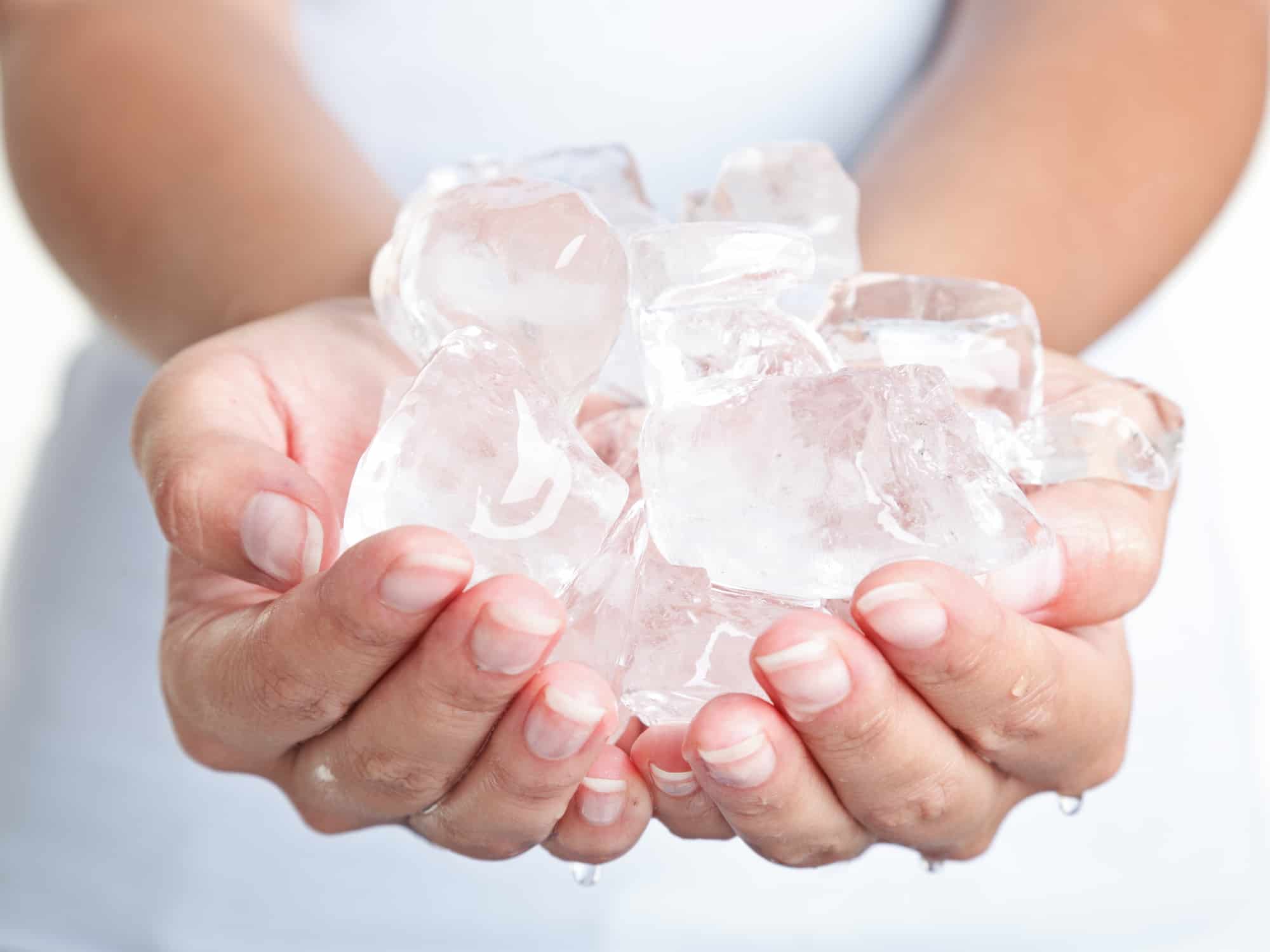
To understand how ice could affect digestion, let’s first discuss body temperature and how it relates to digestion.
Our bodies prefer to maintain a core temperature of 100° F (37.8° C). This is the optimum temperature for efficient digestion. If cold foods or beverages are ingested, the body almost immediately warms them up.
Our bodies favor warm foods and beverages because they help relax the muscles and even the blood vessels. Another reason could be that the gut microbiome thrives in a warm environment (source: Everyday Health).
Most people like ice-cold drinks when the temperature outside is hot because cold drinks quench your thirst. However, cold beverages also affect internal temperature regulation (source: Appetite).
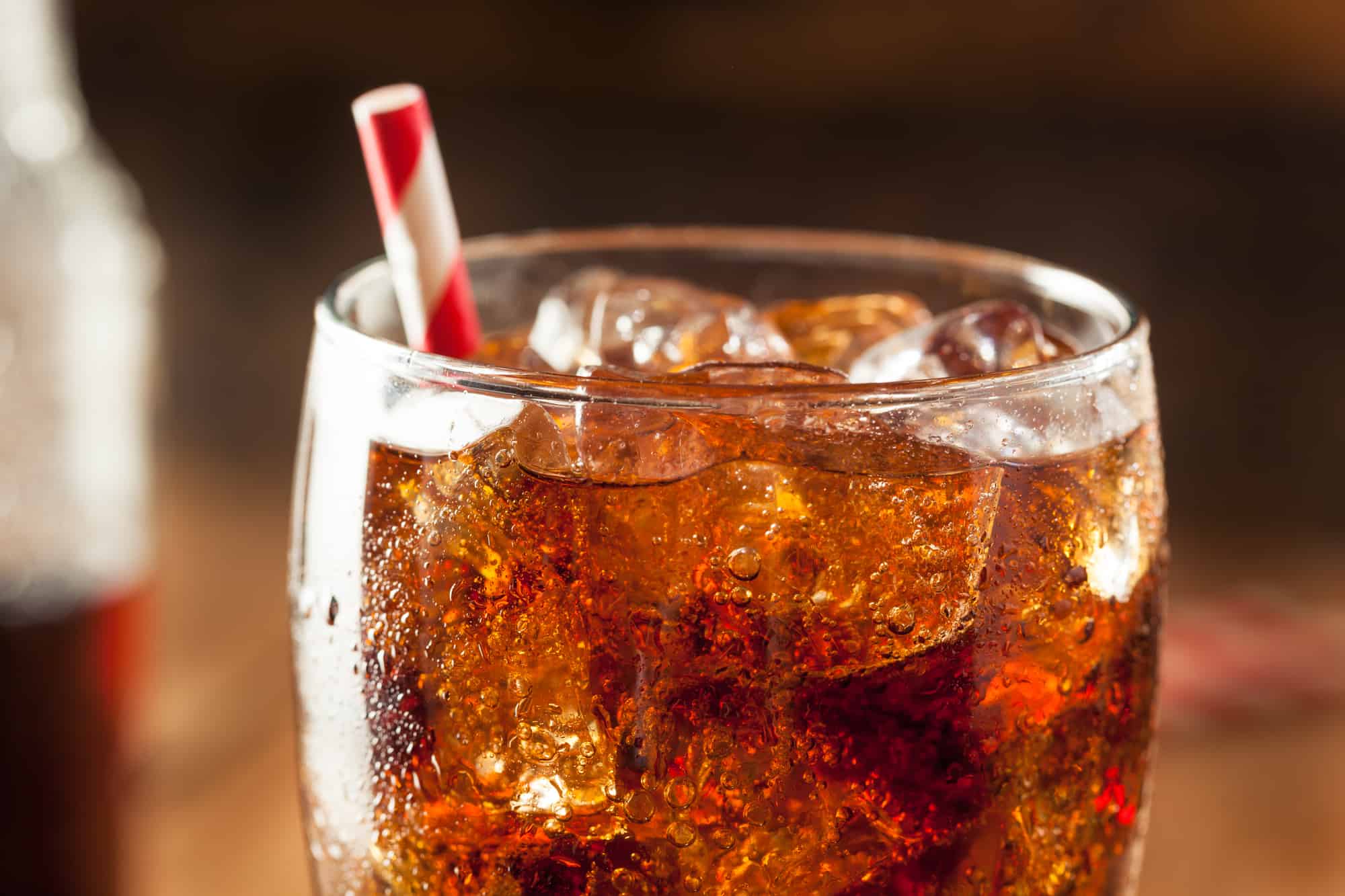
This may be the reason why some people experience abdominal discomfort after ingesting ice-cold beverages or foods.
The most direct cause of gas while eating ice is the action of chewing it and swallowing air. The more your mouth is open while eating, the more gas will be produced, resulting in gas, bloating, and flatulence.
Certain medical conditions may also contribute to increased gas or belching. For example, people who’ve had their larynx removed may have more gas complaints when they swallow. Frequent belching is also associated with heart conditions (including heart attacks).
People who take medications such as calcium blockers, antidepressants, anticholinergics, and opiates will also produce more gas since these medications affect gut motility (source: Gastroenterology & Hepatology).
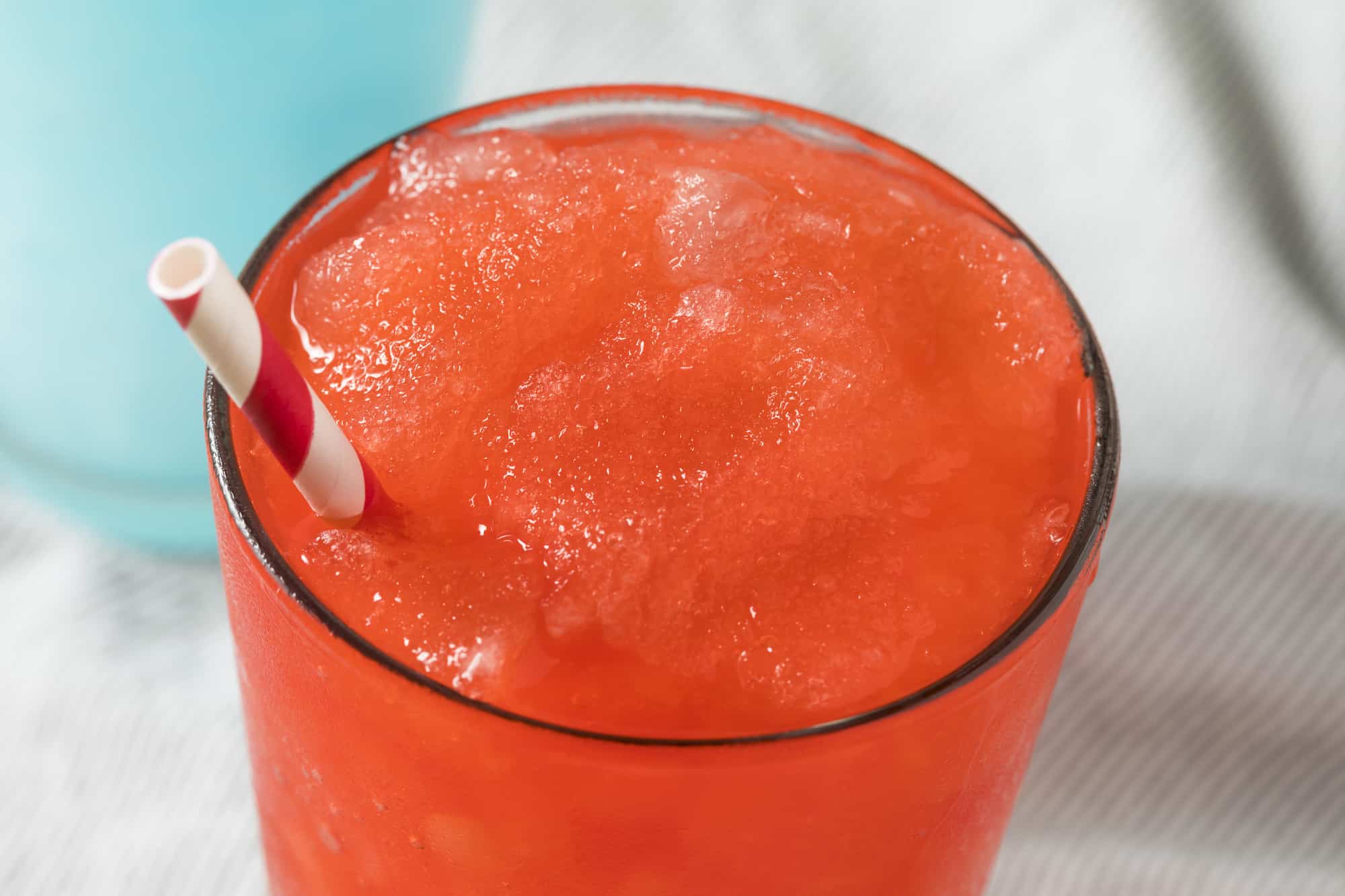
Although ice is not likely to cause gas, sweet icy drinks like slushies can promote gas if they are made with high-fructose sweeteners and carbonated liquids like sodas.
Some people experience gas and bloating from consuming high fructose corn syrup (source: Cleveland Clinic). This is because high fructose corn syrup is abundant in fructose, as is honey.
Gas and bloating may occur after consuming these products because the processed food from the small intestines gets fermented in the large intestines (source: Medical Hypotheses).
Carbonated drinks contain gas in the form of carbon dioxide, which gets dissolved in the liquid and becomes a part of it (source: Live Science). When you drink carbonated beverages, you swallow some air, which can cause bloating or flatulence (source: Cleveland Clinic).

Sorbets are similar to slushies insofar as they both contain sweeteners. The difference is that slushies are made with plain ice. Sorbets or sherbets are made with dairy, which is not the best option for the lactose-intolerant.
People with lactose intolerance lack the enzyme lactase, which helps the body process lactose. When they eat dairy, their digestive system doesn’t recognize lactose, but will still try to digest it. This can cause abdominal pain, gas, bloating, and other discomforts (source: Cleveland Clinic).
It would be best to avoid dairy products if you are lactose-intolerant. If you're prone to gas and bloating, avoid ice-cold beverages made with carbonated ingredients or high-fructose sweeteners.
Can Ice Help with Gas or Bloating?
There is no evidence that ice can help with bloating or gas. And when it comes to icy drinks made with high amounts of fructose, carbonation, or dairy, they are likely to cause more harm than good if you are prone to digestive issues.
Ice is not the enemy, but if your stomach complains whenever you drink cold beverages, it would be best to skip them.
Common Questions About Ice, Gas And Bloating
Does chewing ice cause gas?
Chewing ice itself does not produce gas, since ice is water. What it can do is make you swallow more air while you chew, and swallowed air has to come out somewhere. If you chew ice habitually, that is the more likely route than anything the ice does chemically.
Why do iced drinks bloat me when the same drink warm does not?
Cold drinks tend to be drunk faster, and drinking quickly means taking in more air. Temperature can also affect how comfortably the stomach empties for some people. If the drink is also fizzy, the carbonation is doing more than the ice is.
Is it the ice or the drink causing the problem?
Almost always the drink. Carbonated soft drinks, juices high in fructose and anything with dairy in it are all far more likely causes than frozen water. Trying the same drink without ice for a few days is the quickest way to separate the two.
Can ice made with flavoured syrup cause bloating?
It can, if the syrup is high in fructose. Fructose is poorly absorbed by some people and ferments in the gut, which produces gas. Plain ice made with water does not carry that risk.
Does ice help with bloating?
There is no evidence that it does. Iced drinks made with a lot of fructose, carbonation or dairy are more likely to add to the problem than settle it if you are already prone to digestive discomfort.
Why do I crave ice?
A persistent urge to chew ice is worth mentioning to a doctor rather than treating as a food question, since it can have causes unrelated to diet. It is not something to diagnose from an article, and a GP can check the straightforward explanations quickly.
Does ice in alcoholic drinks make bloating worse?
The alcohol and any mixer are doing the work there rather than the ice. Spirits topped with a carbonated mixer combine two things that commonly cause bloating, and the ice is incidental.
Can cold water cause stomach cramps?
Some people find very cold drinks uncomfortable, particularly on an empty stomach or straight after exercise. This varies a lot between individuals and is not the same thing as gas.
Should I see a doctor about it?
If cold drinks reliably upset your stomach, or bloating is a regular part of your day whatever you drink, that is worth raising with your GP. Ice is an unusual thing to react to, which in itself suggests looking further.
Where To Go Next
Working out whether it is the drink, the temperature or the speed you are drinking at is the sort of question Trish Tucker-May works through on her page, as the nutritionist covering the food side of this site.
If fizzy and sweet drinks are the pattern, orange juice and tea are the two other drinks people ask about most here, and the gut and digestion index collects the rest.
Keep reading: Trish Tucker-May on gut health All the gut and digestion answers on this site